Quick facts
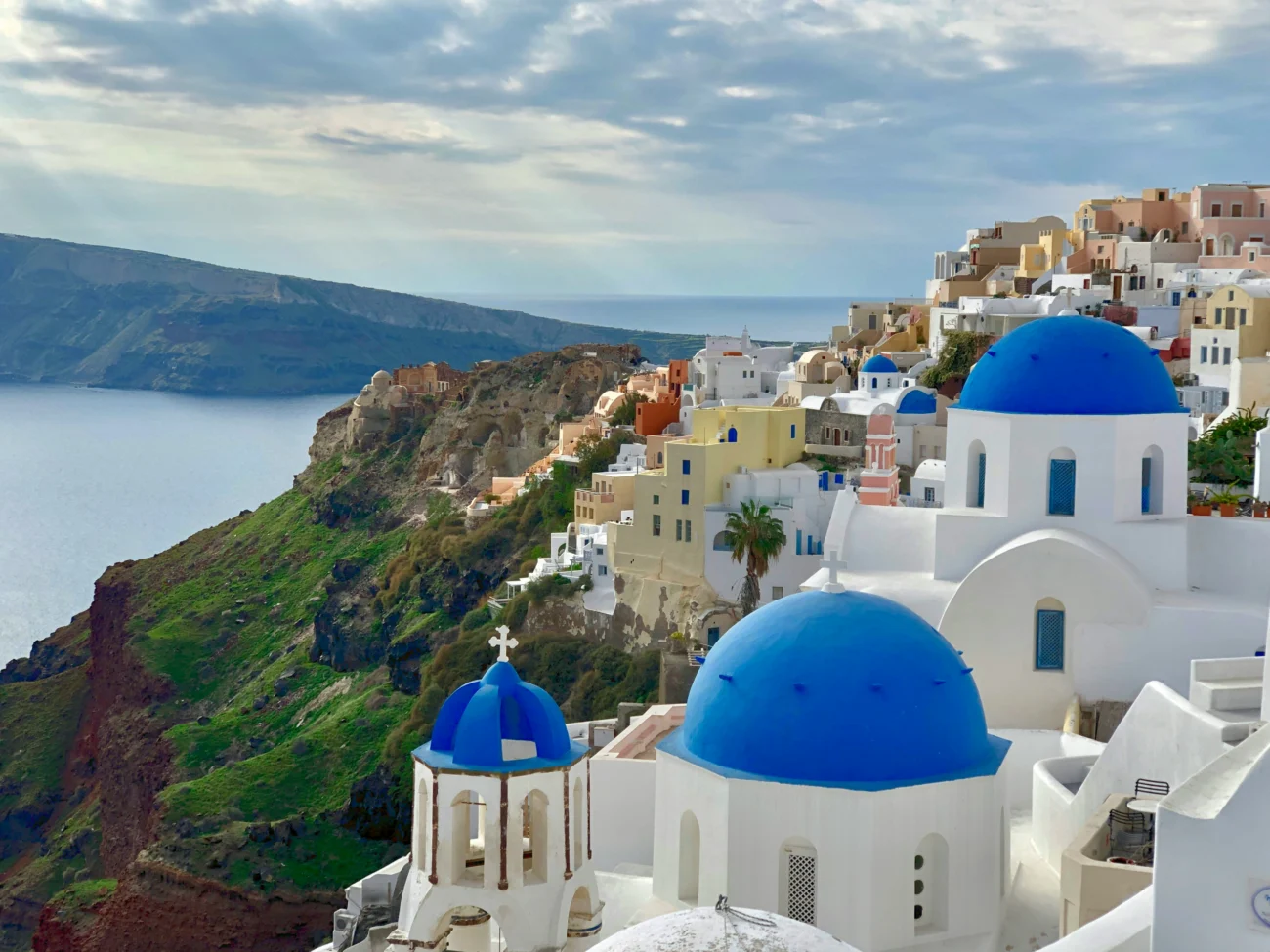
Best subject: Chora, one of the most striking capital towns in the entire Cyclades, its whitewashed houses and windmills climbing a rocky hilltop to the ruins of a fifteenth century Venetian castle.
Best sunset spot: Chora, from the Venetian castle ruins, with 360 degree views across the Aegean.
Best season for photography: May, June and September, for clear light and quieter beaches and villages before and after the July and August peak.
Golden hour: the standard 45 minutes or so before sunset works well at Chora, with the whitewashed town catching the last light above Livadi’s bay. Livadi itself photographs well through the day, with Chora rising on the hillside behind the harbour as a constant backdrop.
Getting around: Serifos has a limited public bus service, so a rental car or scooter is recommended to reach spots such as Megalo Livadi and Panagia. See Serifos taxi and the Serifos bus timetable.
Is Serifos worth visiting for photography
Serifos is a quiet, still relatively undeveloped island, and much of its appeal for photography comes from that, a hilltop capital regularly named among the most beautiful in the Cyclades, a rugged mining history that has left genuine industrial ruins on the southwest coast, and beaches with barely any development around them, including one ranked among Europe’s best. It is a smaller island than most in this series with far fewer dedicated pages on our site so far, but the handful of subjects it does offer are genuinely distinctive.
Best photo spots in Serifos
1. Chora and the Venetian castle. Serifos’s capital sits on a rocky hilltop above Livadi, its whitewashed houses, windmills and narrow stepped alleys climbing up to the ruins of a fifteenth century Venetian castle, which offers sweeping 360 degree views across the Aegean and is widely regarded as one of the most beautiful capital towns in the Cyclades. We do not yet have a dedicated page for this spot.
2. Livadi. The island’s only port and largest settlement, a former simple fishing village transformed between 1870 and 1907 when the Greek Mining Company set up its headquarters here, now the busiest spot on the island with a lively harbour, and Chora rising dramatically on the hillside above the bay as a backdrop to almost every shot. Read more in our Livadi village guide.
3. Megalo Livadi. A quiet southwestern coastal village with the genuine ruins of the island’s old iron ore mining infrastructure still standing, and the site of Greece’s first organised workers’ strike in 1916. We do not yet have a dedicated page for this spot.
4. Livadakia. A newer beachfront settlement just south of Livadi port, with golden sand, shallow water and generous natural shade from tamarisk trees, widely considered one of the best and most popular beaches on the island. Read more in our Livadakia guide.
5. Psili Ammos. A remote beach on the island’s northeast coast, named among Europe’s top twenty beaches, reached along an unpaved road with no major development around it. We do not yet have a dedicated page for this spot.
6. Koutalas and the Kastro tis Grias. A southern fishing village near the Ganema and Sykamia beaches, overlooked by a striking rock formation known locally as the Kastro tis Grias, or Castle of the Old Woman. We do not yet have a dedicated page for this spot.
7. Panagia and the Monastery of the Taxiarchs. An inland northern village home to a Byzantine church with remarkable fourteenth century murals, close to the sixteenth century fortress monastery of the Taxiarchs, built with thick, defensible walls to withstand pirate raids. We do not yet have a dedicated page for this spot.
Best time of day to photograph Serifos
Chora is the clear pick for sunset, with the castle ruins and the whitewashed town catching the last light above Livadi’s bay.
Livadi works well for most of the day, since the constant backdrop of Chora on the hillside above gives you a strong composition whatever the light.
Psili Ammos and the other undeveloped beaches on the island are worth an early start, both to make the most of the drive or walk in and to have the sand to yourself before the day’s visitors arrive.
Best season for photography in Serifos
May, June and September give you clear light and noticeably quieter villages and beaches, worth prioritising on an island where much of the appeal is in how undeveloped it still feels.
July and August bring the strongest light and busier conditions in Livadi and Chora, along with the meltemi wind, which is worth checking against your plans if a visit to one of the more exposed northern or eastern beaches, such as Psili Ammos, is your priority shot.
Practical photography tips
Allow extra time to reach Megalo Livadi and Psili Ammos. Bus services are limited on Serifos, so a rental car or scooter, and a bit of extra time on unpaved sections of road, make these spots far easier to reach.
Wear proper footwear for Chora’s alleys. The stepped, narrow lanes up to the castle are beautiful to photograph but can be steep, so trainers or hiking shoes are worth the extra weight in your bag.
Respect the working ruins at Megalo Livadi. The old mining infrastructure is a genuine historical site, so stay on accessible paths rather than climbing on unstable structures for a shot.
Check current drone rules before you fly. Greece follows the EU’s common drone regulations, which generally require operator registration for anything over 250 grams, and there are no fly zones around the port at Livadi and religious sites such as the Monastery of the Taxiarchs. Rules can change, so check the current requirements from Greece’s Civil Aviation Authority before your trip.
Book a local photographer
If you would rather leave the camera work to a professional, a local Serifos photographer will know the best hour for Chora’s castle, the quiet route to Psili Ammos and the safest way to shoot the ruins at Megalo Livadi, far better than a first visit ever could.
Explore more of Serifos
How to get to Serifos · Serifos bus timetable · Serifos taxi · Serifos map · Serifos weather
Back to the Serifos island guide.