Cities, Towns & Villages in Sifnos
Apollonia
Apollonia is the capital and largest town of Sifnos. It is located in the centre of the island on top of three hills and is home to a vibrant community. The town features traditional narrow winding streets, charming local shops and galleries, and numerous traditional tavernas serving authentic Greek cuisine. Apollonia is the cultural heart of the island and houses the folklore museum and library. Its central location makes it the ideal base for visitors who want to explore other parts of the island. Many beautiful churches and chapels are scattered throughout the village which is typical of the whole island. The town’s name comes from an ancient temple of Apollo that once stood on the site of the church of Panayia Yeraniofora.
Artemonas
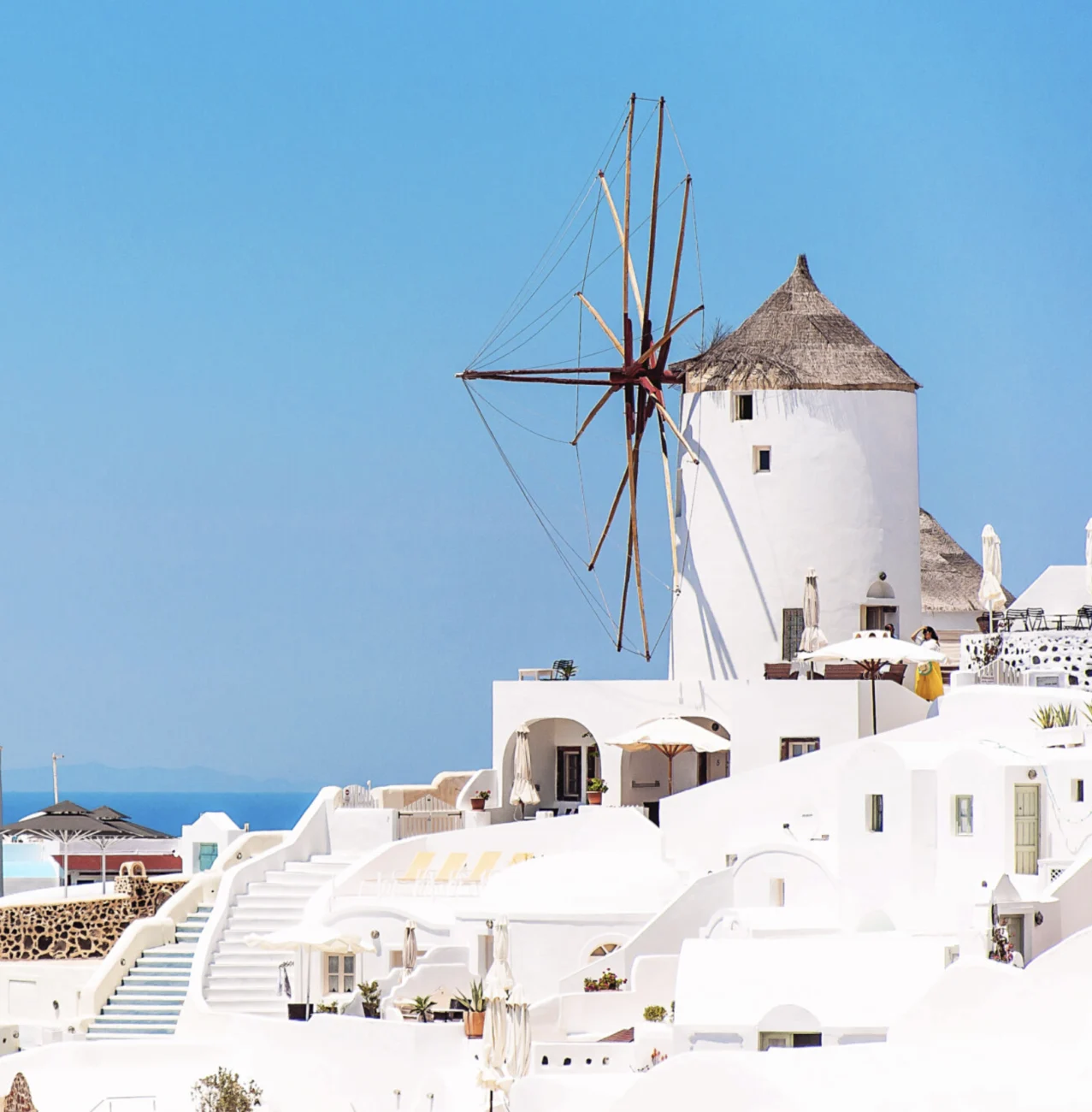
Artemonas is located just 1.5 kilometres north of Apollonia and represents the most aristocratic and elegant corner of Sifnos. This charming village features impressive late 19th century neoclassical mansions, beautiful gardens and well preserved traditional Cycladic architecture. The village consists of a maze like collection of narrow alleyways that lead to unexpected squares and viewing points. From the belvedere near the old windmills you can see panoramic views across the entire island. Artemonas is much quieter and more secluded than Apollonia making it perfect for those seeking a peaceful retreat. The village is thought to have been named after Artemis, the goddess of the hunt, as Apollo’s twin sister. The multi domed church of Panagia Koghis stands on the site of an ancient temple dedicated to Artemis.
Kastro
Kastro is the ancient and medieval capital of Sifnos and one of the most historically significant towns on the island. This fortress village sits majestically perched on top of a high cliff on the east coast of the island offering breathtaking views of the Aegean Sea. Kastro has been continuously inhabited since prehistoric times with the first settlements appearing around the 3rd millennium BC. The village represents a living open air museum with narrow cobblestoned streets, ancient columns built into modern buildings, Roman sarcophagi visible in the alleyways, and numerous 16th and 17th century chapels with beautifully decorated floors. At the highest point stands the impressive katholikon cathedral church. There are six historic gateways or lodges at the entrances to the village which date back centuries. The Archaeological Museum is located in the centre of the village and contains important sculptures, coins and inscriptions from the prehistoric to Roman era.
Main Ports in Sifnos
Kamares
Kamares is the main and largest port of Sifnos located on the west coast of the island. It is a vibrant and welcoming seaside village that serves as the primary point of arrival for ferry passengers. The beach at Kamares is one of the best on the island featuring soft golden sand and shallow waters making it ideal for families with young children. Natural shade is provided by tamarisk trees along the beach. The sunset here is magical with the sun painting the sea golden colours as ships come and go from the port. The village offers endless dining and accommodation options spread across both sides of the bay with restaurants serving traditional Sifnian dishes, Mediterranean cuisine and fresh seafood. Kamares contains traces of the islands 19th century mining history including an old pier built in 1909, a lighthouse constructed in 1896, and remains of kilns and an ore loading dock from 1883.
Faros
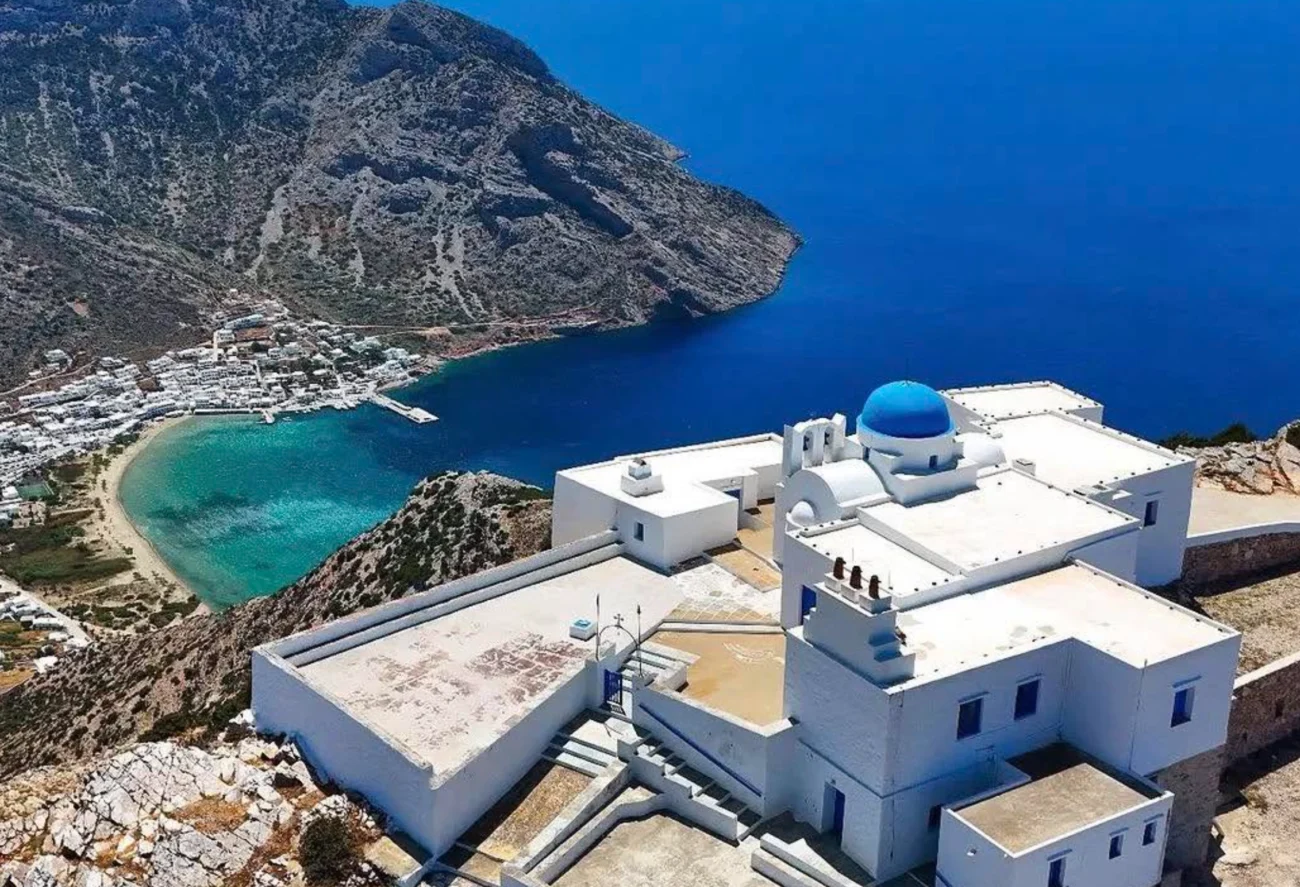
Faros is a peaceful coastal village located on the southeastern tip of the island. Until 1883 Faros was the official port of Sifnos but today Kamares has taken that role. This quiet and charming settlement retains a much more authentic and undisturbed atmosphere without the busy ferry traffic. Faros features a beautiful sandy beach with clear waters and is home to several tavernas with excellent views overlooking the sea. The nearby Chrysopigi Monastery sits on a rocky outcrop directly by the water and is one of the most photographed spots on the island. The village of Faros offers a more tranquil experience for visitors seeking to escape the slightly busier atmosphere of Kamares.
Getting around Sifnos
Getting around Sifnos is quite flexible, with buses, taxis and car rentals all available, and a very good network of walking trails linking villages and beaches. In the main season, local buses connect Kamares port with Apollonia, Artemonas and several coastal areas such as Platys Gialos, Faros, Chrysopigi and Vathi, often with departures every hour or so on key routes. This makes it possible to stay in a central village like Apollonia and explore much of the island without a car, especially if you are happy to plan around the timetable.
Taxis operate from Apollonia and other centres and are useful for late night journeys, port transfers or reaching specific locations when buses are less frequent. Car hire agencies are based mainly in Kamares and Apollonia, and renting a vehicle gives you more freedom to reach remote beaches, viewpoints and starting points for longer hikes. Sifnos is also famous for walking, with signposted trails and easier village strolls linking places like Apollonia, Artemonas, Kastro and Faros, so many visitors combine buses or short taxi rides with scenic walks to discover the island’s landscapes and traditional architecture more deeply.
How to get to Sifnos
By Ferry from Athens
The most common and convenient way to reach Sifnos is by ferry from Piraeus which is Athens main port. Piraeus is located approximately 15 kilometres south of Athens city centre and 45 kilometres from Athens International Airport.
Ferry travel times vary depending on the type of vessel. High speed ferries take approximately 2 hours and 30 minutes to 3 hours and 30 minutes to reach Sifnos. Conventional ferries take around 4 hours 30 minutes to 5 hours 10 minutes. Fast ferries typically operate from April to October while conventional ferries run year round all through the year.
There are currently 13 weekly sailings on the Piraeus to Sifnos route. The first ferry of the day departs from Piraeus at 7 am and the last departs at 3 20 pm. Ferry operators include Seajets, Aegean Sea Lines and Fast Ferries. The ferry arrives at Kamares port on the west coast of the island. From Kamares it takes approximately 10 minutes by car or bus to reach Apollonia the capital.
Getting to Piraeus Port
From Athens city centre you can reach Piraeus port by taking the M1 green line metro which takes 25 to 30 minutes. Alternatively you can take buses 040 from Syntagma or 049 from Omonoia which take approximately 50 minutes. A taxi journey from the city centre takes 25 to 40 minutes. From Athens International Airport Eleftherios Venizelos you can take a taxi which takes approximately 45 minutes to reach Piraeus port.
Ferry Routes
Sifnos is served by ferries running from Serifos, Milos, Kimolos and other lines. There are also less frequent sailings to other islands in the Cyclades. Ferry tickets start from as little as 60 pounds and it is recommended to pre book your transport if travelling during peak summer season as the port can get very busy.
More attractions in Sifnos
Frequently asked questions (FAQ) about Sifnos
What is the best time to visit Sifnos?
The best times to visit Sifnos are from May to mid July and from September through October. During these periods the weather is warm and sunny but the island has not yet reached peak summer crowds. While the island does see more visitors from mid July through August, Sifnos never feels overwhelming or overcrowded even at the height of summer season. The island maintains its peaceful and laid back atmosphere throughout the year. Winter months from November to March are quieter but many facilities and restaurants may have reduced opening hours.
How long should I spend on Sifnos?
Most visitors spend between 3 to 5 days on Sifnos to properly experience the island. This allows time to explore the main villages, relax on beaches, visit archaeological sites and sample the local cuisine. Three days is a minimum to see the highlights including Apollonia, Artemonas, Kastro and at least one or two beaches. Five days or more allows for longer hiking excursions, multiple beach visits and a deeper immersion into the island’s culture and food traditions.
Is Sifnos suitable for families with children?
Yes, Sifnos is an excellent destination for families. The beaches at Kamares and Platis Gialos have shallow waters and sandy shores making them ideal for young children. The island is safe, has good medical facilities and offers a relaxed pace of life. Many hotels and apartments cater to families and local restaurants offer simple familiar foods alongside traditional dishes. The island is small enough to navigate easily and the main villages are not overcrowded. However Kastro village has many cobblestoned streets and no ramps making wheelchair accessibility difficult so families with mobility issues may prefer staying in Apollonia or Kamares.
What are the traditional foods I must try on Sifnos?
The two must try signature dishes are revithada which is the famous chickpea stew cooked in traditional clay pots and mastelo which is a slow cooked lamb dish prepared in ceramic vessels. Other traditional specialities include revithokeftedes which are chickpea croquettes, fresh seafood dishes, local cheeses like manouri, traditional honey pies called melopita and Paschalino desserts. Many tavernas serve these authentic dishes and it is worth trying them in different restaurants to experience local variations of these classic recipes.
Can I do water sports and activities on Sifnos?
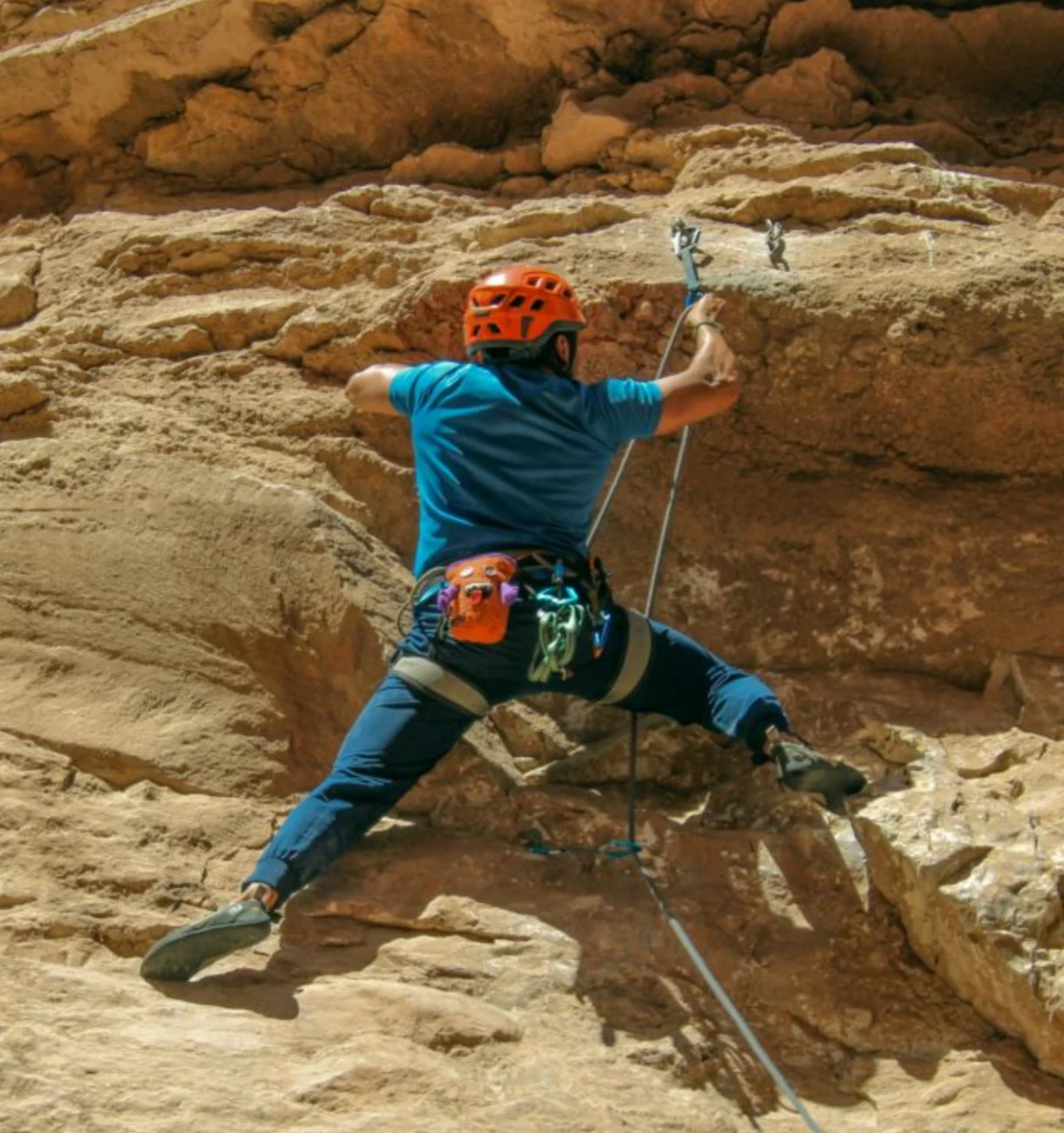
Yes there are several water sport and activity options available on Sifnos. Popular activities include boat tours around the island and to nearby islands, snorkelling in secluded coves and bays, swimming at various beaches, and fishing trips. Horseback riding tours are also available for exploring the island’s trails and countryside. Multiple hiking tour companies offer guided walks ranging from easy coastal walks to challenging mountain hikes. Some tour operators offer combination activities such as boat tours with snorkelling and beach stops. Water sports facilities at main beaches include paddle boards and water sports equipment rentals during the summer season.