
Cities, Towns & Villages in Milos
Plaka
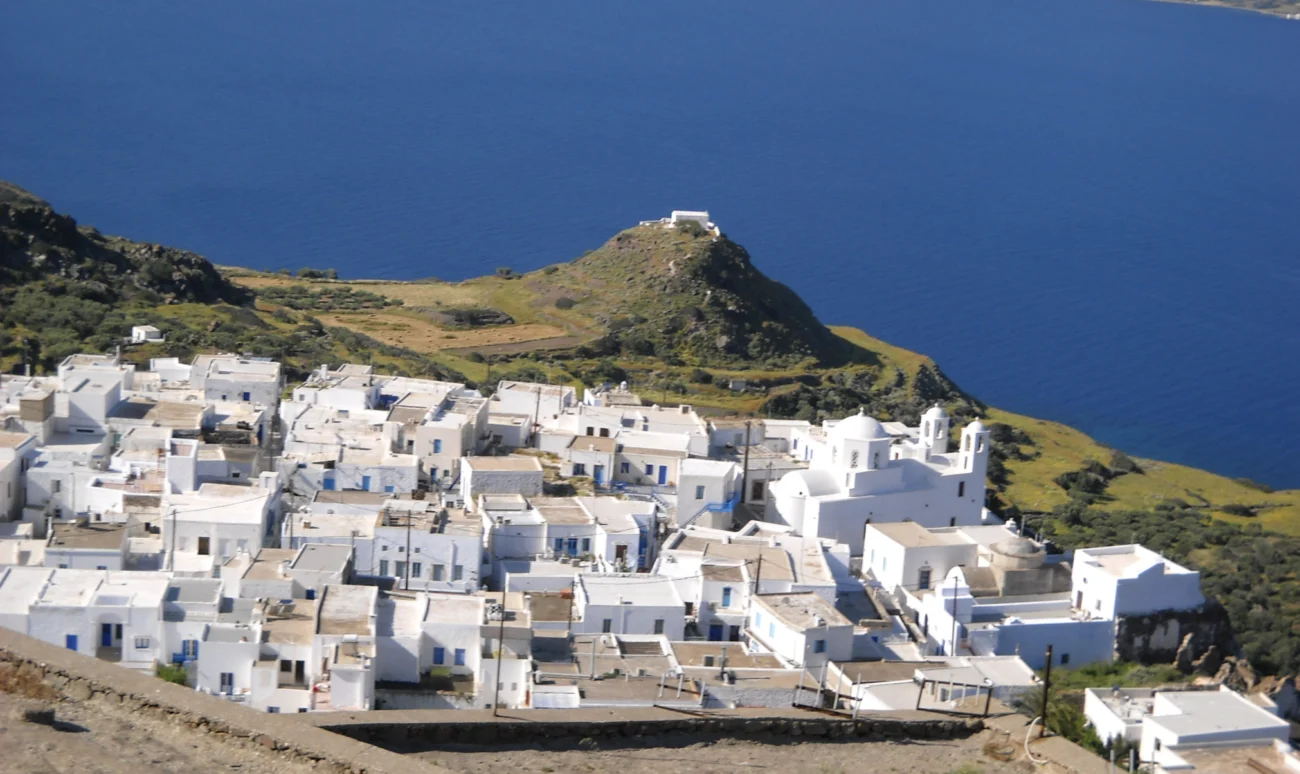
Plaka is the capital and most traditional town, built on a hill with narrow lanes, white painted houses and sunset views over the gulf of Milos
Adamas
Adamas, also written as Adamantas, is the main harbour town and the practical centre of the island, with many hotels, tavernas, cafes and boat tour companies around its large natural bay.
Pollonia
Pollonia is a peaceful seaside village in the north east, known for its sandy beach, waterfront restaurants and the small port where boats leave for the nearby island of Kimolos.
Tripiti
Tripiti sits above the sea close to Plaka and looks down towards the ancient theatre and the famous early Christian catacombs, with traditional houses, churches and quiet streets.
Klima
Klima is a colourful fishing village with traditional boat houses right on the water, painted in bright shades and often called syrmata, which are popular for photos and sunset views.
Main Ports in Milos
Adamas Port:
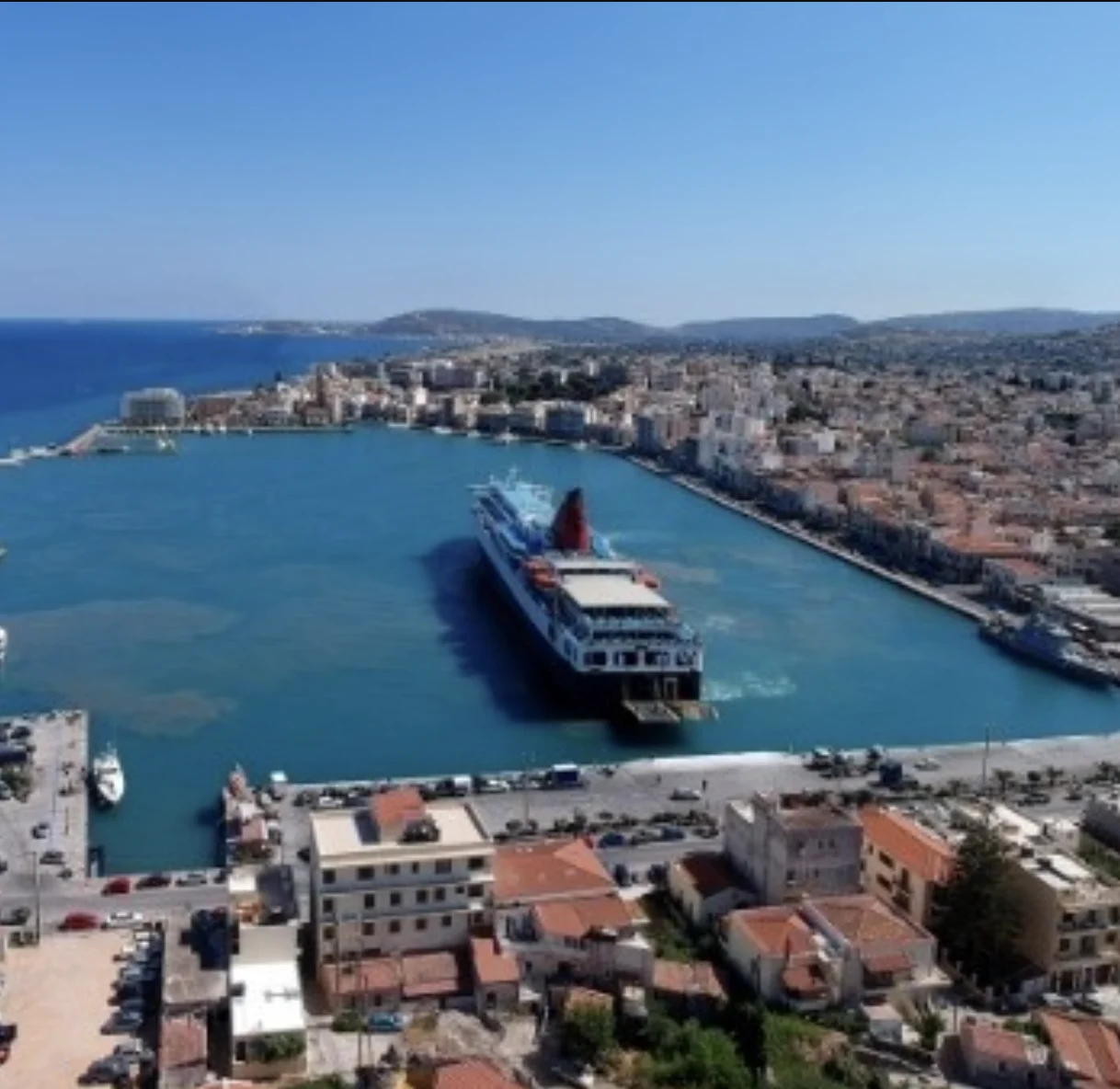
Adamas is the main ferry port of Milos and one of the largest natural harbours in the Mediterranean, handling regular ferries and fast boats from Piraeus and other Aegean islands
Pollonia Port
Pollonia has a smaller local port that connects Milos with the nearby island of Kimolos, with frequent short ferry crossings across the narrow channel.
How to get to Milos
By plane
Milos has a small island airport, Milos Island National Airport, with short domestic flights from Athens during the season. There are currently no direct flights from the United Kingdom, so travellers usually fly to Athens and then take a short onward flight to Milos.
By ferry from Athens
Regular ferries and high speed boats run from the port of Piraeus near Athens to Milos, with journey times of about seven hours on normal ferries and around three hours on faster services.
By ferry from other islands
Milos is linked by sea to several Cyclades islands such as Santorini, Mykonos and Crete, so it is easy to include in a wider island trip. From Pollonia there is a local ferry to Kimolos as well
Getting around Milos
Getting around Milos is possible with buses, taxis, ATV, rental vehicles and boat trips, but having your own wheels or joining a cruise makes it much easier to experience the island’s best beaches and viewpoints. A local KTEL bus network connects the main port of Adamas with Plaka, Pollonia and several popular beaches such as Sarakiniko and Paliochori, especially in summer, and this is a good option if you stay in one of the main villages and plan around fixed timetables.
Many visitors choose to rent a small car, scooter or ATV, as this gives them freedom to reach more remote coves, fishing villages and viewpoints that are not well served by buses. Taxis are available from Adamas and other centres for direct transfers, for example to and from the airport or for evening journeys when buses no longer run. Boat tours are also a key part of getting around in Milos, because famous spots such as Kleftiko and Sykia cave can only be reached by sea, and full day or half day cruises from Adamas and Pollonia take you to several swimming stops along the coastline. Within villages like Adamas and Plaka you can explore on foot, enjoying narrow streets and harbourfront promenades, but for longer distances between villages and beaches you will usually rely on a vehicle, bus or boat.
More attractions in Milos


Frequently asked questions (FAQ) about Milos
Where is Milos and what is it known for?
Milos is a volcanic island in the southern part of the Cyclades, in the Aegean Sea, not far from islands like Santorini and Folegandros. It is famous for its lunar style white rock at Sarakiniko, colourful fishing villages such as Klima, and the discovery of the Venus de Milo statue, now displayed in the Louvre museum.
How do I get to Milos?
You can reach Milos either by domestic flight from Athens or by ferry from Piraeus and other Cyclades islands like Santorini, Mykonos, Paros and Naxos. Many visitors fly into Athens and connect to Milos by plane, while others choose ferries, using routes run by operators such as Blue Star Ferries and Seajets.
When is the best time to visit Milos?
The best time to visit Milos is usually from late April to the end of September, when the weather is warm, the sea is comfortable for swimming, and most hotels and restaurants are open. July and August bring the strongest crowds and higher prices, while May, June and early September offer a calmer feeling but still good services on a smaller island.
How many days should I spend in Milos?
Many travellers feel that three to six days is a good amount of time for Milos, giving space for beach hopping, a boat trip and village exploring. Some guides say that you could happily stay a week or more if you want to see more than a small sample of the island’s seventy plus beaches.
What is the best area to stay in Milos?
Adamas, the main port town, is a very practical base with easy access to buses, boat tours and car hire, making it a good choice for first time visitors who rely on public transport. Pollonia and Plaka offer more village charm, with Pollonia as a quiet seaside base and Plaka as a hilltop town with shops, cafés and castle views, and both work well for travellers who plan to rent a vehicle.
How do I get around Milos?
Most guides recommend renting a car or ATV to explore Milos, because many beaches and viewpoints lie at the end of dirt roads or spread out across the island. There is also a local bus network and taxis, which make it possible to explore the main towns and some beaches without driving, especially if you stay in Adamas.
Is Milos suitable for families and couples?
Milos is very popular with couples and families who like relaxed days, good beaches and small towns rather than intense nightlife. The island is known for its peaceful atmosphere and traditional character, with many small guesthouses, villas and boutique hotels that suit family stays and romantic trips.
How busy is Milos compared to other Cyclades islands?
Milos is still quieter than big names like Santorini and Mykonos, even though it has become more well known in recent years. Visitor numbers have grown, but guides still describe it as laid back and less crowded, with around five thousand permanent residents and tourism balanced by mining and local life.
Do I need to book things in advance for Milos?
In July and August it is wise to book accommodation, car hire and boat tours in advance, because the island is small and the best options can sell out. In shoulder months you can often be more flexible, but it is still sensible to reserve at least your stay and one boat trip, especially if you have fixed dates or a short visit.