Sifnos sits in the western Cyclades and enjoys a classic Mediterranean climate. This means you can expect hot and dry summers followed by mild and wetter winters. The warmest period runs from late June through to early September, when daytime temperatures regularly peak around 28 to 30 degrees Celsius. January and February are typically the coolest months, bringing more rain and stronger winter breezes.
During a typical Sifnos summer, rainfall is incredibly rare, and the island sees abundant sunshine. However, summer also brings the famous northern winds, which can make the heat feel much more comfortable. Understanding the local weather is highly important when planning your trip to this particular island because the wind direction can dictate which beaches are best for swimming. The climate also changes how the island looks, shifting from lush green hiking trails in spring to a golden landscape by August.
Table of Contents
2. Sifnos Weather at a Glance
Sifnos follows a predictable yearly pattern that makes travel planning quite straightforward. The hottest weather arrives in July and August, when daytime temperatures often reach 30 degrees Celsius and above. In contrast, January is typically the coolest month, with temperatures dropping to around 10 to 12 degrees.
If you want to avoid rain, the driest months are June, July and August. Rain is most likely to fall between November and March, with December and January usually seeing the highest rainfall. The island is also sunniest during the peak summer months, offering up to 12 hours of sunshine per day.
The swimming season generally begins in late May and continues comfortably until October. However, the island is known for the strong summer winds, which are most forceful during July and August. These winds cool the air but can create choppy seas on the northern and eastern coasts.
| Month | Typical conditions | What it is good for |
| January | Cool and wet | Quiet local life |
| February | Chilly with some rain | Winter walking |
| March | Mild and brightening | Wildflowers and spring scenery |
| April | Warming up with cool nights | Early season hiking |
| May | Warm days and cool sea | Comfortable exploring and quiet beaches |
| June | Hot and sunny | Early summer beach days |
| July | Very hot and windy | Peak summer holidays |
| August | Very hot and windy | Peak summer holidays |
| September | Warm with very warm sea | Swimming and late summer sun |
| October | Mild and occasionally wet | Late season walking and calm days |
| November | Cooling down with rain | Experiencing traditional island life |
| December | Cold and wet | Festive season and peaceful villages |
3. Sifnos Weather by Month
January
January brings the lowest temperatures of the year to Sifnos, alongside strong winter breezes. Daytime temperatures typically sit around 12 degrees Celsius, though nights can feel much colder. Rain is very common during this month, making it 1 of the wettest times to visit. The sea is extremely cold at roughly 16 degrees, so swimming is generally not an option. Visitors in January will find a very quiet island with few tourist facilities open. However, crisp and sunny winter days offer beautiful views of the Aegean Sea, and it is a fascinating time to see authentic local island life.
February
February remains quite chilly, with daytime temperatures hovering around 13 degrees Celsius. The weather is often humid, and winter rainfall continues to green the island landscape. Nighttime temperatures remain low, meaning you will certainly need warm clothing. The sea temperature drops slightly from January, making waters far too cold for most people to swim. Sunshine hours begin to increase slightly, offering bright spells between the cloudy days. Sifnos is very peaceful in February, and the tourist season has not yet begun. It is a time when locals prepare for the spring, and visitors are very rare.
March
During March, the climate slowly begins to shift towards spring. Daytime temperatures rise to around 15 to 17 degrees Celsius, and the island benefits from noticeably more sunlight. However, the evenings still drop to a chilly 11 degrees. The rainfall starts to decrease, but you can still expect some wet days. The sea remains very cold, so beach swimming is still unlikely. March is an excellent month for enjoying the lush green countryside and bright wildflowers that cover Sifnos. It remains a quiet time for travel, appealing mostly to those who enjoy peaceful walks and natural beauty.
April
April provides the 1st real taste of the travel season. The weather becomes noticeably warmer, with daytime highs reaching around 18 to 20 degrees Celsius. The skies are generally clearer, and sunshine can last up to 10 hours a day. While the days feel pleasant, the evenings remain crisp, so a warm jacket is still necessary. The sea is still quite cold at around 17 degrees, which deters most people from swimming. April is brilliant for hiking the famous trails before the summer heat arrives. A few restaurants and hotels begin to open their doors to early visitors.
May
May is a wonderful time to visit Sifnos for comfortable warmth and lower costs. Daytime temperatures usually sit around 22 to 24 degrees Celsius, which is warm enough for summer clothing during the day. Rain becomes quite rare, and the island remains wonderfully green from the winter. The sea begins to warm up to about 19 degrees, which some visitors find refreshing enough for a quick swim. The famous summer winds have not yet reached their peak strength, meaning the beaches are often calm. May is an ideal travel period for combining sightseeing, walking and relaxed beach afternoons.
June
June feels like true summer, yet it avoids the intense heat of later months. Daytime temperatures typically range from 25 to 28 degrees Celsius, creating perfect conditions for sunbathing. Rain is almost non existent in June, and you can expect long days with up to 12 hours of bright sunshine. The sea warms up to a very comfortable 22 degrees, making swimming highly enjoyable. The beaches start to welcome more visitors, but they rarely feel overcrowded. June offers an excellent balance of hot days, warm water and a lively but relaxed island atmosphere.
July
July brings peak summer weather to Sifnos, with intense heat and abundant sunshine. Daytime temperatures regularly hit 28 to 30 degrees Celsius, and occasional heatwaves can push the thermometer even higher. Rain is incredibly rare during this month. The sea is wonderfully warm at around 24 degrees, providing perfect conditions for long swimming sessions. July is also the time when the strong northern winds become very noticeable. These winds help cool the hot air but can make northern beaches quite wavy. The island is busy and vibrant, making it an exciting time for a classic summer holiday.
August
August is generally the hottest and busiest month on the island. The daytime air temperatures consistently reach 30 degrees Celsius or more. The sea is exceptionally warm, often hitting 25 degrees, which is perfect for spending hours in the water. Just like July, rain is highly unlikely. The strong northern winds continue to blow frequently, which keeps the intense heat manageable but requires visitors to seek out sheltered southern beaches. August is the peak travel period, meaning the weather is perfect for evening dining outdoors, though the popular villages and beaches will be full of visitors.
September
September is often considered 1 of the most pleasant months on Sifnos. The intense heat of August begins to fade, with daytime temperatures dropping to a very comfortable 25 to 27 degrees Celsius. Crucially, the sea remains incredibly warm from the summer sun, often staying around 24 degrees. The strong summer winds also begin to decrease, making the sea much calmer for boat trips and swimming. Rain is still quite rare, especially in the 1st half of the month. September is fantastic for travellers who want beautiful beach days without the massive crowds of peak summer.
October
October marks the clear transition into autumn. The daytime temperatures cool to a very pleasant 21 to 23 degrees Celsius. The sea retains much of its summer warmth, staying around 21 degrees, meaning swimming is still very possible early in the month. While the 1st half of October is often sunny and dry, the chance of rain increases noticeably as the month progresses. The famous summer winds are usually gone, leaving calm and clear days that are perfect for hiking and photography. October provides a peaceful travel experience as the island slowly winds down for winter.
November
November brings a significant drop in temperature and an increase in rainy days. Daytime highs generally sit around 16 to 18 degrees Celsius, and the evenings become quite cold. The sea cools down rapidly, ending the swimming season for the vast majority of visitors. The skies are often cloudy, and the weather can feel quite unpredictable from day to day. Most tourist businesses close their doors in November, leaving the island to the local residents. It is a quiet time to visit, suited to those who want to experience the authentic and traditional side of Sifnos.
December
December is a true winter month on the island. The weather is generally cold, wet and windy. Daytime temperatures average around 13 to 14 degrees Celsius, while nights can drop into single figures. December is typically 1 of the wettest months of the year, bringing heavy showers that restore the island water supplies. The sea is cold and rough, and the skies are frequently grey. Travel to Sifnos in December is mostly limited to people visiting family or those seeking total isolation, as the villages are quiet and the focus turns to festive local traditions.
4. Wind and Meltemi
The wind is a major part of the Sifnos weather system and understanding it will greatly improve your holiday. The most famous weather phenomenon in the Cyclades is the Meltemi. This is a strong, dry northern wind that blows across the Aegean Sea during the summer months. It is caused by a pressure difference between the Balkans and the eastern Mediterranean region.
The Meltemi normally begins to appear in late May and continues blowing until October. However, it reaches its absolute peak intensity during July and August. On Sifnos, these summer winds can sometimes blow continuously for several days at a time. To visitors, the Meltemi can feel like a mixed blessing. On 1 hand, it cuts through the intense summer heat, making temperatures of 30 degrees Celsius feel incredibly manageable and comfortable in the shade. On the other hand, it is forceful enough to blow your towel away and create choppy waves on exposed coastlines.
The wind direction matters immensely when choosing where to spend your day. Because the Meltemi blows from the north, the northern and eastern beaches of Sifnos bear the full force of the waves. In contrast, the southern and western beaches are naturally protected by the mountainous landscape of the island. When the wind is strong, sheltered bays in the south and west usually offer calm, flat water that is perfect for swimming. Sifnos also has a few deeply enclosed coves in the north, such as Heronissos, which remain remarkably calm even on very windy days.
The wind also affects other outdoor activities. Hiking can be much cooler and more pleasant when a steady breeze is blowing, but walking on exposed high ridges can feel surprisingly blustery. For boat trips and sailing, the Meltemi plays a huge role. Small boat tours might change their routes to avoid the rougher northern waters, sticking to the sheltered southern coastline instead. When the winds become exceptionally strong, ferry services to and from Sifnos can be delayed or occasionally cancelled. Travellers should always check with their ferry operators for official updates when conditions are very windy.
It is highly common to wake up to a beautifully sunny day with clear blue skies, only to step outside and find a powerful wind blowing. This is the classic Aegean summer experience. Planning your daily activities around the wind direction is the secret to a perfect Sifnos holiday.
5. Weather for Activities
Beach days
The most comfortable weather conditions for beach days on Sifnos occur between June and September. During these months, the air temperature is consistently hot, and rainfall is incredibly rare. The abundant sunshine makes lounging by the sea highly enjoyable. However, the wind plays a crucial role in your beach experience. On days when the northern summer winds are blowing strongly, exposed beaches can become uncomfortable with blowing sand and choppy water. For the best beach days during windy weather, you should seek out the sheltered coves on the southern and western sides of the island. These protected bays offer calm conditions and hot sunshine, making them ideal for relaxing on the sand all day long.
Swimming
The swimming season in Sifnos generally runs from late May through to October. Early in the season, the sea temperature sits around 19 degrees Celsius, which feels refreshing but a little cool for some. The water warms up considerably over the summer, peaking at around 24 to 25 degrees in August and September. These later months provide the most comfortable swimming conditions. The wind and waves are the main factors to consider before swimming. The northern summer winds create large waves on exposed coasts, which can make swimming tiring. For easy, relaxing swims in flat water, always head to the beaches that face away from the current wind direction.
Hiking and walking
Sifnos is famous for its extensive network of hiking trails, and the weather dictates the best times to explore them. The greatest general conditions for walking are found in the spring months of April and May, or the autumn months of September and October. During these periods, the temperatures are pleasantly mild, and the sun exposure is less intense than in peak summer. The island also looks beautifully green in the spring. If you choose to hike during the hot summer months, you must avoid the midday heat. The UV levels are very high, and shade is scarce on the trails. In July and August, it is essential to start your walks very early in the morning and to rely on the summer winds to keep you cool. Rain is only a minor concern outside of the winter months.
Boat trips and sailing
Exploring the Sifnos coastline by boat is a wonderful experience, but it is heavily dependent on wind and sea conditions. Calm, windless days provide the smoothest sailing and the best visibility for snorkelling. However, when the strong summer winds are active, the sea can become very rough, especially on the northern and eastern sides of the island. Boat captains are highly experienced and will usually alter their itineraries to stick to the protected southern coves during windy spells. If the winds reach high speeds, small boat trips may be postponed for safety reasons. Travellers should always check directly with their chosen operator for the latest sailing information and weather updates before departing.
Sightseeing and photography
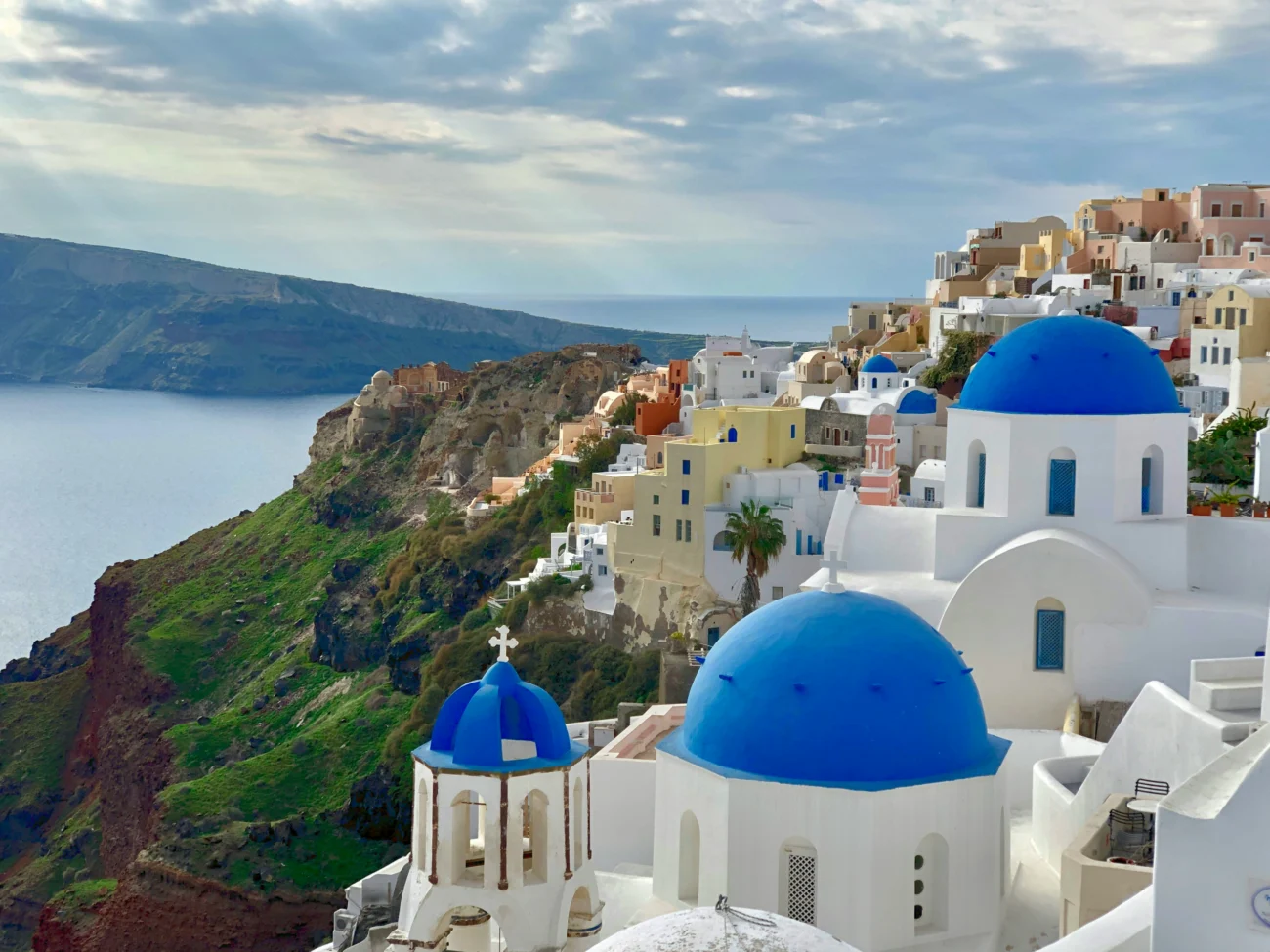
Exploring the charming villages, viewpoints and archaeological sites of Sifnos is most enjoyable in dry, clear weather with mild temperatures. The brilliant white architecture and blue domes look magnificent under bright sunlight. The softer light of early morning or late afternoon provides the most beautiful conditions for photography, avoiding the harsh midday glare. Spring and autumn offer the most comfortable heat for climbing the numerous steps found in the hillside villages. In the height of summer, sightseeing is best done early in the day to avoid the intense heat and the strongest gusts of wind.
6. Best Time to Visit for Weather
Finding the best time to visit Sifnos depends entirely on how you want to spend your holiday. Different months offer vastly different experiences, so there is no 1 single period that is universally best for every traveller.
Best months for hot beach weather
If your ideal holiday involves intense sunshine and hot days on the sand, July and August are the greatest choices. During this time, daytime temperatures consistently reach 30 degrees Celsius, and rainfall is practically non existent. The sun is incredibly strong, providing perfect conditions for sunbathing. You will need to manage the strong northern winds by visiting sheltered beaches, but the heat is guaranteed. June is also a superb option for hot weather, offering similar sunshine with slightly fewer crowds and a gentler breeze.
Best months for swimming
For the most comfortable time in the water, late August and September are exceptional. The sea takes the entire summer to absorb the heat of the sun. Because of this, the water in September is significantly warmer than it is in June, often holding steady at around 24 to 25 degrees Celsius. The air temperatures in September are also very pleasant, making the transition from the water to the beach highly comfortable. Early October can also offer lovely swimming conditions before the sea begins to cool down for winter.
Best months for hiking
Walking the beautiful trails of Sifnos requires much cooler weather to be enjoyable and safe. The best months for hiking are April, May and October. In April and May, the island is vibrantly green, covered in wildflowers, and the daytime temperatures are mild enough for continuous physical effort. October offers similarly mild air temperatures and calm days, though the landscape is drier after the summer heat. These months allow you to walk throughout the day without the intense physical strain caused by the midsummer sun.
Best months for sightseeing
Wandering through traditional villages and visiting historical sites is most pleasant when the weather is warm but not exhausting. May, June and September are the ideal months for sightseeing. The days are bright and sunny, providing perfect lighting for exploring and photography, but you avoid the aggressive heat of July and August. In these months, you can comfortably walk up the steep steps to hilltop churches or explore the narrow village alleys without constantly seeking shade.
Best months for fewer crowds and milder weather
Travellers looking for a peaceful atmosphere and gentle weather should look to May and October. During these months, the intense summer heat is absent, and the strong seasonal winds are very rare. The weather is generally sunny and mild, making it perfectly suited for relaxed exploring, long lunches and quiet moments by the sea. While October carries a slightly higher risk of rain than May, both months offer a highly authentic island experience without the large numbers of peak season visitors.
Does the Meltemi wind ruin a holiday on Sifnos?
The summer wind definitely does not ruin a holiday, and many locals are grateful for it. The wind dramatically reduces the feeling of intense summer heat, making hot days far more comfortable. While it can make northern beaches choppy, the island has many protected southern and western bays where the water remains perfectly calm and flat. You simply need to adapt your beach choices based on the daily wind direction.
Are ferries to Sifnos cancelled often due to bad weather?
Ferry cancellations do happen, but they are not an everyday occurrence. Modern ferries are large and can handle rough seas very well. Cancellations usually only happen when the winds reach very severe speeds. High speed catamarans are more sensitive to the wind than the larger conventional car ferries. If you are travelling during a windy period, it is wise to keep checking with your ferry operator for official updates.
Do I need to pack warm clothes for a summer trip?
Yes, you should definitely pack at least 1 light jacket or warm sweater. While the daytime temperatures in summer are hot, the evenings can feel surprisingly cool when the northern winds are blowing strongly. Sitting outside at a restaurant by the sea can get chilly after the sun goes down, so having an extra layer will keep you comfortable during late dinners.
Can I swim in the sea during May?
Swimming in May is absolutely possible, but you should expect the water to feel quite refreshing. The sea temperature is usually around 19 degrees Celsius, which has not yet warmed up from the winter. Many visitors from cooler climates find this perfectly acceptable for a quick dip, but those who prefer very warm water might want to wait until June or July to spend long periods in the sea.
Is Sifnos too hot to visit in August?
August is the hottest month on the island, with temperatures often reaching 30 degrees Celsius or more. However, the Sifnos climate has very low humidity, which makes the heat feel less heavy than in many mainland cities. Additionally, the strong summer winds provide a natural cooling effect. If you plan beach time during the day and save sightseeing for the early morning or late evening, the heat is very manageable.
Does it rain in Sifnos during the summer?
Summer rain is incredibly rare on the island. From June through to early September, you can expect long periods of continuous sunshine with almost zero rainfall. If a rain shower does occur during the peak summer months, it is usually very brief and clears up quickly. You generally do not need to pack wet weather gear if you are visiting during the main summer season.
What is the best app for checking Sifnos wind conditions?
Many seasoned travellers and locals rely on specialist wind forecasting applications, with Windy being 1 of the most popular and accurate choices. These applications show real time wind direction and speed across the Aegean Sea. Checking the wind forecast each morning is the best way to decide which side of the island will offer the calmest beaches for the day.
Is October a good time to visit Sifnos?
October is a wonderful time to visit if you prefer mild weather and peaceful surroundings. The sea is still warm enough for swimming from the summer heat, and the intense winds have usually faded. The daytime temperatures are highly comfortable for hiking and exploring. However, you should be prepared for a slightly higher chance of rain towards the end of the month, and some businesses may begin to close for winter.
Will the wind affect my boat tour?
The wind can definitely impact boat tours. Small boats are sensitive to large waves, so captains will often change their route to stay in the sheltered waters of the southern coastline when the wind is blowing hard. In extreme wind conditions, operators may postpone the trip for safety reasons. Boat operators are highly experienced with the local weather, so always trust their guidance and check their latest updates.
How cold does Sifnos get in the winter?
Winter on Sifnos is mild compared to northern Europe, but it can still feel quite cold due to the damp air and sea breezes. From December to February, daytime temperatures usually hover around 12 to 14 degrees Celsius, while nights can drop much lower. Frost and snow are extremely rare, but the winter months do bring frequent rain showers and strong, chilly winds across the island.