Quick facts
Location: a whitewashed hill town built at about 230 metres above sea level, roughly 4.5 kilometres inland and uphill from Livadi, the island’s port.
Known for: its Venetian castle, whitewashed cubic houses climbing the hillside and 3 surviving windmills, regularly named among the most striking capital towns in the Cyclades.
Layout: divided into Kato Chora (the lower town, around the Evangelistria church) and Ano Chora (the upper town, with narrow, labyrinthine lanes leading up to the castle).
Getting around inside the village: there are no vehicle roads within Chora itself, so exploring is entirely on foot.
Is Chora worth visiting
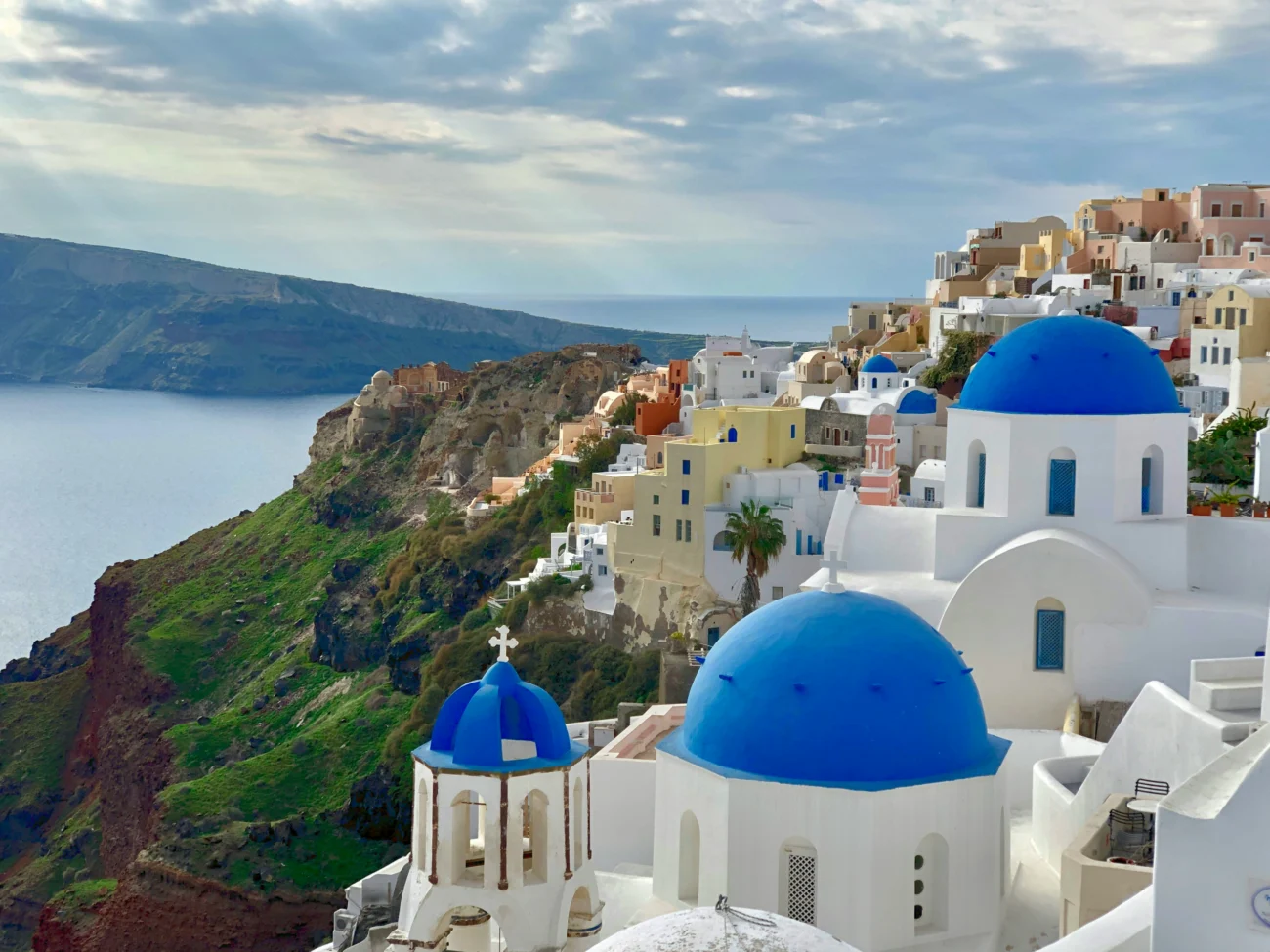
Chora is the reason Serifos keeps turning up on lists of the Cyclades’s most beautiful capitals, a genuinely dramatic hill town of whitewashed cubic houses stacked up to a ruined Venetian castle, with the sea visible from almost every turn. It has far less infrastructure than the capitals of bigger islands, no cars in the old town, only 1 sit down restaurant, but that is very much the point for anyone visiting for the walk up, the views and the atmosphere rather than a night out.
Highlights
The Venetian castle, built in the 1430s at the very top of the village, its old defensive walls and the small chapel of Agios Konstantinos at the summit giving sweeping views over the Aegean, particularly striking at sunrise and sunset.
Pano Piatsa, the upper square and one of the few open spaces inside Chora, home to the neoclassical Town Hall, built in 1908, and the Church of Agios Athanasios.
Windmills Square, just below Pano Piatsa, where 3 traditional windmills survive among the ruins of several others.
The Church of Panagia Evangelistria, the main church of Kato Chora, the lower town.
The Folklore Museum, set along the old path connecting Chora to Livadi, with local costumes, household items and a mineral collection.
Getting there
Chora sits about 4.5 kilometres uphill from Livadi, the island’s only port and the arrival point for every ferry. A local bus and taxis run between the 2, see the Serifos bus timetable and Serifos taxi pages for details. The old stepped, arched pedestrian path between Livadi and Chora is also still walkable and takes about 40 minutes at a steady pace, a popular way to arrive for anyone who wants the climb to be part of the experience. For general routes to the island, see how to get to Serifos.
Map
Where to eat
Chora is genuinely small for dining, with only a single sit down restaurant in the village itself. Stou Stratou, in the central square, is the local favourite, known for its setting and atmosphere as much as the menu. Most visitors treat a wider choice of tavernas as something to look forward to back down in Livadi or Livadakia, both a short bus or taxi ride away.
Where to stay
Chora has a small selection of traditional guesthouses rather than large hotels, generally converted village houses with sea views, such as Serifos Homes. Anyone wanting a bigger choice of accommodation, or easier access on arrival, is better placed in Livadi, close to the port.
Nearby beaches
Chora has no beach of its own, sitting well inland and uphill from the coast. The nearest beaches are down at Livadi and Livadakia, both a short bus, taxi or drive away.
Best time to visit
Late spring and early autumn give the most comfortable conditions for the walk up from Livadi and for exploring Chora’s shadeless upper lanes and castle, without the heat or the crowds of peak summer. July and August bring the liveliest atmosphere in the squares in the evenings, but also the busiest paths and the strongest midday sun.
Back to the Serifos island guide.