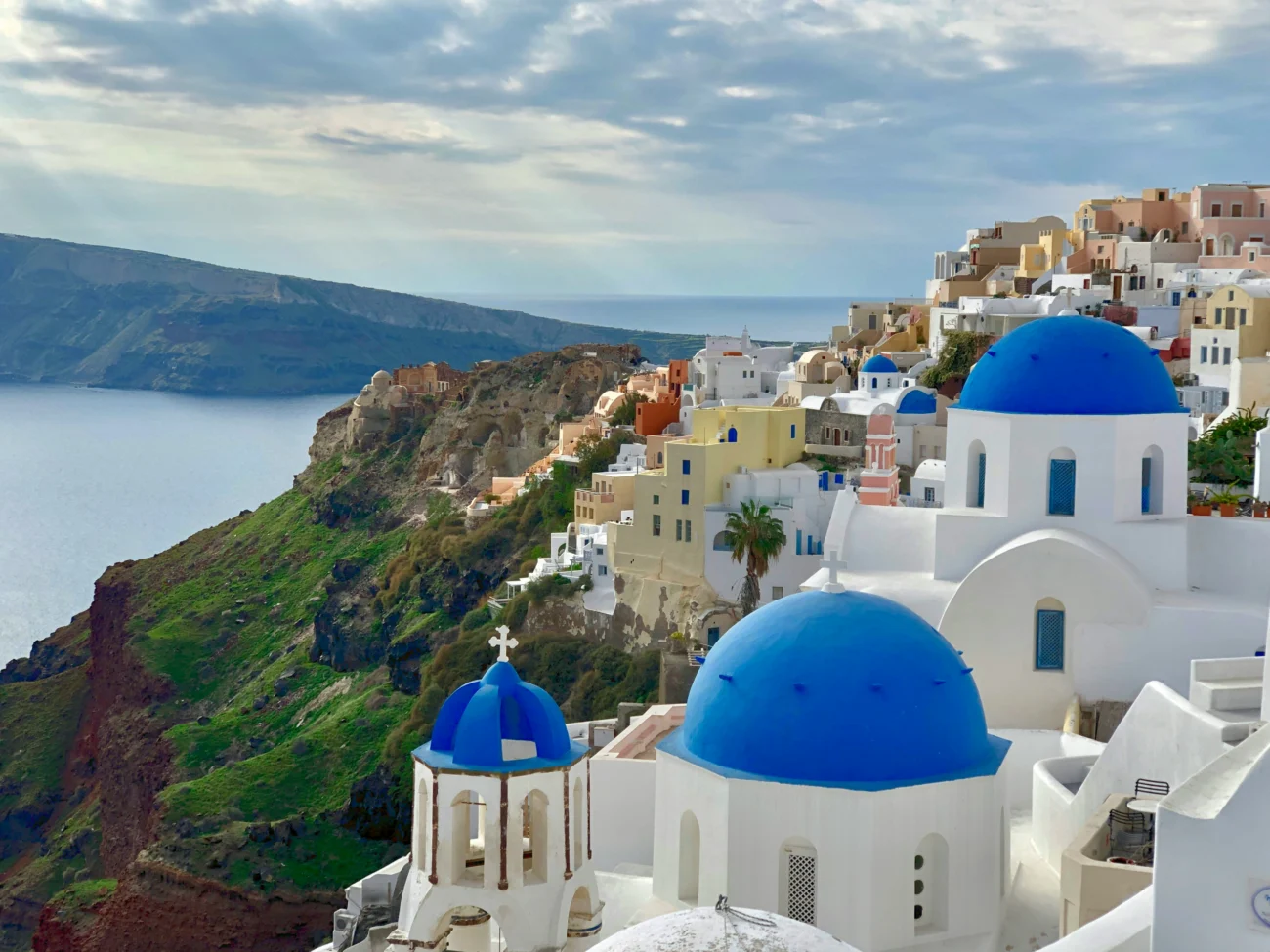
Mykonos has a typical Mediterranean climate. Travellers can expect long hot and dry summers followed by mild and wetter winters. The warmest period runs from late June through to early September. During these months daytime temperatures regularly exceed 28 degrees Celsius. July and August are the peak of summer with intense sunshine and almost zero rainfall.
The coolest period happens between December and March. January and February are the coldest months with daytime temperatures hovering around 12 degrees Celsius. This is also when the island receives most of its annual rain. Sunshine is abundant year round but especially glorious from May to October.
Wind is a major factor on this island. Mykonos is famous as the Island of the Winds. The northerly summer winds known as the Meltemi blow strongly in July and August. This wind cools the air but can make some beaches feel very gusty. Weather can drastically change how you experience the island so planning around the climate is essential.
Mykonos Weather at a Glance
If you want a quick summary of the climate in Mykonos this section covers the basics. The hottest weather hits the island in July and August. These 2 months bring brilliant sunshine and high heat. January and February are the coolest months and you will definitely need a warm jacket.
Rainfall is most likely from November to February. By contrast June July and August are the driest months with virtually no rain. For the sunniest skies visit between June and September when clouds are rare.
Winds can be strongest during July and August because of the Meltemi. This wind blows from the north and cools down the summer heat. However the wind can be intense on exposed beaches.
The general swimming season starts in late May and continues until late October. The sea reaches its warmest temperatures in August and September.
Mykonos Weather by Month
January
January brings the true winter climate to Mykonos. The weather is generally cool wet and windy. Daytime temperatures average around 12 degrees Celsius. Night time temperatures can drop to 7 degrees Celsius. Rainfall is common during this month so you should pack a waterproof coat. Sunshine is limited to about 4 hours per day. The sea is far too cold for swimming. This is a very quiet time on the island with most tourist businesses closed. It is a good month for experiencing authentic local life without crowds.
February
February is usually the coldest month on the island. Average daytime temperatures remain around 12 degrees Celsius but chilly winds make it feel colder. Expect frequent rain showers and cloudy days. You might see around 5 hours of sunshine per day. The sea temperature drops to its lowest point of the year. Swimming is definitely not recommended. The island remains very quiet and peaceful. Visitors in February should plan for indoor activities and wrap up warm for coastal walks.
March
March marks the very beginning of spring. The weather slowly starts to improve with more sunny days appearing. Daytime temperatures rise to about 15 degrees Celsius. However the wind can still be sharp and evenings feel cold. Rainfall decreases compared to the winter months but you should still expect some wet days. The sea remains very cold at around 16 degrees Celsius. This is an excellent month for hiking because the island is green and covered in wildflowers. Tourist facilities slowly begin preparing for the summer.
April
April brings noticeably warmer weather and longer days. Daytime temperatures average 18 degrees Celsius and can reach 20 degrees Celsius on sunny afternoons. Rainfall becomes much less frequent. You can expect around 8 hours of sunshine daily. While the air feels warm the sea temperature is still only 16 degrees Celsius which is too chilly for most swimmers. This is a fantastic month for sightseeing and exploring the narrow streets of Mykonos Town. The weather is comfortable for walking without the intense summer heat.
May
May is when the summer season truly begins. The weather becomes consistently warm and sunny. Daytime temperatures easily reach 23 degrees Celsius. Rain is very rare in May. You can enjoy up to 10 hours of bright sunshine per day. The sea temperature rises to 19 degrees Celsius making quick swims possible for brave visitors. The island starts getting busy but avoids the massive crowds of peak summer. May provides excellent weather for spending long afternoons at the beach and dining outside in the evenings.
June
June offers some of the best weather of the year. It is officially hot with average daytime highs around 27 degrees Celsius. The skies are almost always clear and rainfall is extremely rare. You will get about 11 hours of brilliant sunshine every day. The sea warms up to a pleasant 22 degrees Celsius which is great for swimming. The famous Meltemi wind might begin to blow gently. June is an ideal month for a classic summer holiday with perfect beach weather before the extreme heat of July arrives.
July
July is the peak of the summer heat. Daytime temperatures often exceed 30 degrees Celsius. The sun shines fiercely for 14 hours a day and rain is basically non existent. The sea is very inviting at 24 degrees Celsius. This month also brings the strong Meltemi winds which blow from the north. The wind acts as natural air conditioning but it can create choppy waves on northern beaches. July is the busiest month so expect crowded beaches and a very lively atmosphere everywhere you go.
August
August shares the extreme heat and intense sunshine of July. Temperatures regularly hit 30 degrees Celsius or higher. This is another completely dry month with endless blue skies. The sea is at its absolute warmest reaching 25 degrees Celsius. The Meltemi wind is usually at its strongest during August. The wind can blow constantly for several days making the air feel cooler than the thermometer suggests. Visitors should seek out beaches on the south coast which are protected from the strong northern gusts.
September
September is widely considered the smartest time to visit. The extreme heat of August softens to a very comfortable 26 degrees Celsius. The sea has been warming all summer and stays at a lovely 24 degrees Celsius. The intense Meltemi winds usually calm down making the beaches much more relaxing. Rainfall is still very unlikely. You can expect around 10 hours of sunshine each day. The weather remains perfect for sunbathing and swimming but sightseeing becomes much more pleasant without the extreme heat.
October
October brings the transition into autumn. Early October still offers warm beach days with temperatures around 22 degrees Celsius. The sea remains warm enough for swimming holding onto summer heat at 22 degrees Celsius. As the month progresses the chance of rain increases and cloudy days become more common. You will still enjoy about 7 hours of sunshine daily. The evenings start to feel quite cool so packing a jumper is necessary. It is a wonderful month for hiking and enjoying a quieter island.
November
November sees a significant shift towards winter weather. Temperatures drop to an average of 17 degrees Celsius during the day and nights feel chilly. This is 1 of the wettest months of the year so rain is highly likely. The sea temperature drops making swimming unappealing for most people. Sunshine reduces to around 5 hours a day. The island empties of tourists and returns to a sleepy pace. November suits visitors who want to experience the local culture and do not mind packing wet weather gear.
December
December is a true winter month in the Cyclades. The weather is generally cold damp and windy. Daytime temperatures hover around 14 degrees Celsius while nights drop to 9 degrees Celsius. Expect frequent rain showers and mostly cloudy skies. Sunshine is brief lasting only 4 hours a day. The sea is cold and rough. Virtually all tourist businesses are shut for the winter. December is only recommended if you want absolute isolation and are happy to spend time indoors reading or relaxing.
Wind and Meltemi
The wind is a defining feature of the local climate. Mykonos is famously known as the Island of the Winds for very good reason. The most important weather phenomenon you need to understand is the Meltemi. When you hear this word for the 1st time it simply means a dry northerly wind that blows across the Aegean Sea during the summer.
The Meltemi normally begins in June reaches its maximum strength in July and August and gradually dies down in September. This wind blows almost every day during peak summer. It usually starts in the morning blows strongest in the afternoon and calms slightly after sunset. However during August the Meltemi can blow continuously day and night for up to 5 days at a time.
For visitors the Meltemi is a double edged sword. On the positive side it provides natural cooling. When the sun is fiercely hot the wind stops the island from feeling like an oven. A day with 32 degrees Celsius feels much more comfortable with a strong breeze. On the negative side the wind can be incredibly powerful. It can blow sand into your eyes at the beach and knock over drinks on your table.
The wind direction matters immensely when choosing where to spend your day. Because the Meltemi blows from the north the northern beaches take the full force of the wind. The sea on the north coast can become very choppy with large waves. The southern beaches are geographically sheltered by the island hills. Therefore the water on the south coast remains much calmer even on very windy days.
Swimming during a strong Meltemi is perfectly safe on the sheltered southern beaches. Hiking however can be quite tiring if you are walking straight into a strong headwind. The wind also makes the sun feel less intense which frequently leads to severe sunburn because people forget to reapply sunscreen. Always remember that a breezy day does not mean a weak sun.
Boat trips and sailing are heavily impacted by the wind. Small boat tours to nearby islands are sometimes delayed or rescheduled when the sea is too rough. Large ferries that connect the islands are built to handle strong winds but very severe gales can occasionally cause delays. Do not assume your ferry will be cancelled just because it feels windy on the beach. You should always check with your ferry operator or local port authority for official updates when the weather looks poor.
Weather for Activities
Beach days
For the ultimate beach days you want clear skies and temperatures above 25 degrees Celsius. June July August and September provide exactly these conditions. The sun is very strong so finding shade is important. Rain is almost impossible during these months. The main factor to consider is the wind. On days when the northerly wind is blowing hard you should head straight to the southern coast where the hills block the strongest gusts and keep the sand from blowing around.
Swimming
The swimming season runs from late May until late October. Sea temperatures peak at 24 degrees Celsius in August and September making the water feel like a warm bath. Early summer water is refreshing but can feel slightly crisp at 20 degrees Celsius. Wind plays a huge role in swimming comfort. Large waves on exposed northern beaches can make swimming difficult. For calm flat water you should always swim on the southern beaches which remain protected from the main summer winds.
Hiking and walking
The best weather for walking occurs in spring and autumn. March April May and October offer mild temperatures between 15 and 22 degrees Celsius. During the summer heat hiking can be dangerous due to extreme sun exposure and very high UV levels. If you must walk in July or August you should start at 7 in the morning and finish before the midday heat arrives. Winter walking is possible but you must be prepared for sudden rain showers and cold winds.
Boat trips and sailing
Sailing conditions depend entirely on the wind. June and September offer the most reliable weather for boat trips with gentle breezes and calm seas. July and August bring the strong summer winds which can make the sea quite rough. Smaller tour boats may alter their routes to stay in sheltered waters. Large swells can cause seasickness for sensitive passengers. You must always check your tour operators latest information as captains will adjust schedules based on daily maritime safety reports.
Sightseeing and photography
Exploring the famous white villages is most enjoyable when temperatures are below 25 degrees Celsius. April May September and October offer perfect sightseeing weather without the exhausting heat. The brilliant Aegean light is legendary for photography. Early mornings and late afternoons provide the softest golden light. Midday summer sun creates very harsh shadows which makes photography difficult. The famous windmills are best photographed on windy days when they look most dramatic against a clear blue sky.
Best Time to Visit for Weather
The ideal time to visit depends entirely on what kind of holiday you want. The island offers completely different experiences based on the season. Here is a breakdown of the best months for different types of travellers.
Best months for hot beach weather
If your goal is to lie on the sand and get a deep tan you should visit in July or August. These months guarantee brilliant sunshine zero rain and daytime temperatures pushing past 30 degrees Celsius. The weather is consistently hot every single day. You will need to tolerate the strong summer winds but the intense heat makes the breeze feel welcome. These months are perfect if you want the classic hot summer holiday experience.
Best months for swimming
September is the absolute best month for swimming. By September the sun has been heating the Aegean Sea all summer long. The water temperature reaches its peak of 25 degrees Celsius. The extreme summer winds usually calm down which means the sea surface is flat and clear. June is also excellent for swimming though the water is slightly cooler. October is a hidden gem for swimmers because the sea retains its summer heat even as the air starts to cool down.
Best months for hiking
April and May are the most rewarding months for hiking. The winter rains have turned the island bright green and wildflowers bloom everywhere. Temperatures sit comfortably around 18 to 22 degrees Celsius which is perfect for physical exertion. October is the second best option offering mild temperatures and warm soil. You should strictly avoid hiking during the afternoons in July and August as the heat can cause severe dehydration and heatstroke very quickly.
Best months for sightseeing
May and September provide the perfect balance for sightseeing. The weather is warm enough to feel like a holiday but not so hot that walking becomes exhausting. You can comfortably wander through the narrow streets of the main town for hours without needing to hide in the shade. The light is brilliant for taking photos of the iconic churches and windmills. You will also avoid the extreme humidity that sometimes builds up in the middle of summer.
Best months for fewer crowds and milder weather
For a quiet and mild trip consider April or October. In April the island is waking up for the season. The air is fresh the skies are generally clear and you will need a light jacket in the evenings. October offers similar mild temperatures but with the added bonus of a warm sea. Both months give you plenty of space to breathe. You will experience the local culture without battling 1000s of other tourists while still enjoying pleasant Mediterranean weather.
Is Mykonos warm all year round?
No it is not warm all year. While summers are extremely hot and dry winters are genuinely cold damp and windy. From December to March temperatures average around 12 degrees Celsius and you will definitely need a warm coat.
Does it rain in summer?
Rain in June July and August is extremely rare. You can expect unbroken sunshine for weeks at a time. The dry summer climate is a key reason the island is so popular for reliable beach holidays.
What is the windiest month?
August is generally the windiest month. The northerly Meltemi wind reaches its peak intensity during this time. It blows almost daily and can be very strong although it helps keep the extreme heat bearable.
Can you swim in October?
Yes you can comfortably swim in October. The sea retains all the heat it absorbed during the summer and stays around 22 degrees Celsius. Many people find October water warmer than June water.
Are ferries cancelled due to weather?
Ferries can be delayed or cancelled but this is rare in summer. Large modern ferries handle the summer winds very well. Cancellations are more likely during intense winter storms rather than typical summer breezy days.
Do I need air conditioning in summer?
Yes air conditioning is essential in July and August. Night time temperatures often stay above 22 degrees Celsius. Without air conditioning sleeping can be very uncomfortable during the peak of summer heat.
Which beaches are best on windy days?
When the north wind blows you should visit beaches on the southern coast. Places like Platis Gialos Psarou and Ornos are protected by the hills and remain calm even when northern beaches are very rough.
Is April a good time for a beach holiday?
April is excellent for sightseeing but too cold for a traditional beach holiday. The sea is chilly at 16 degrees Celsius and you will likely need a sweater if sitting still on the beach.