Volcano information
Many visitors are surprised to learn that there is no volcano on Koufonisia island itself. The small island group of Ano Koufonisi and Kato Koufonisi sits in the Lesser Cyclades and is famous for crystal clear water, gentle hills and sea caves, not for craters or lava fields.
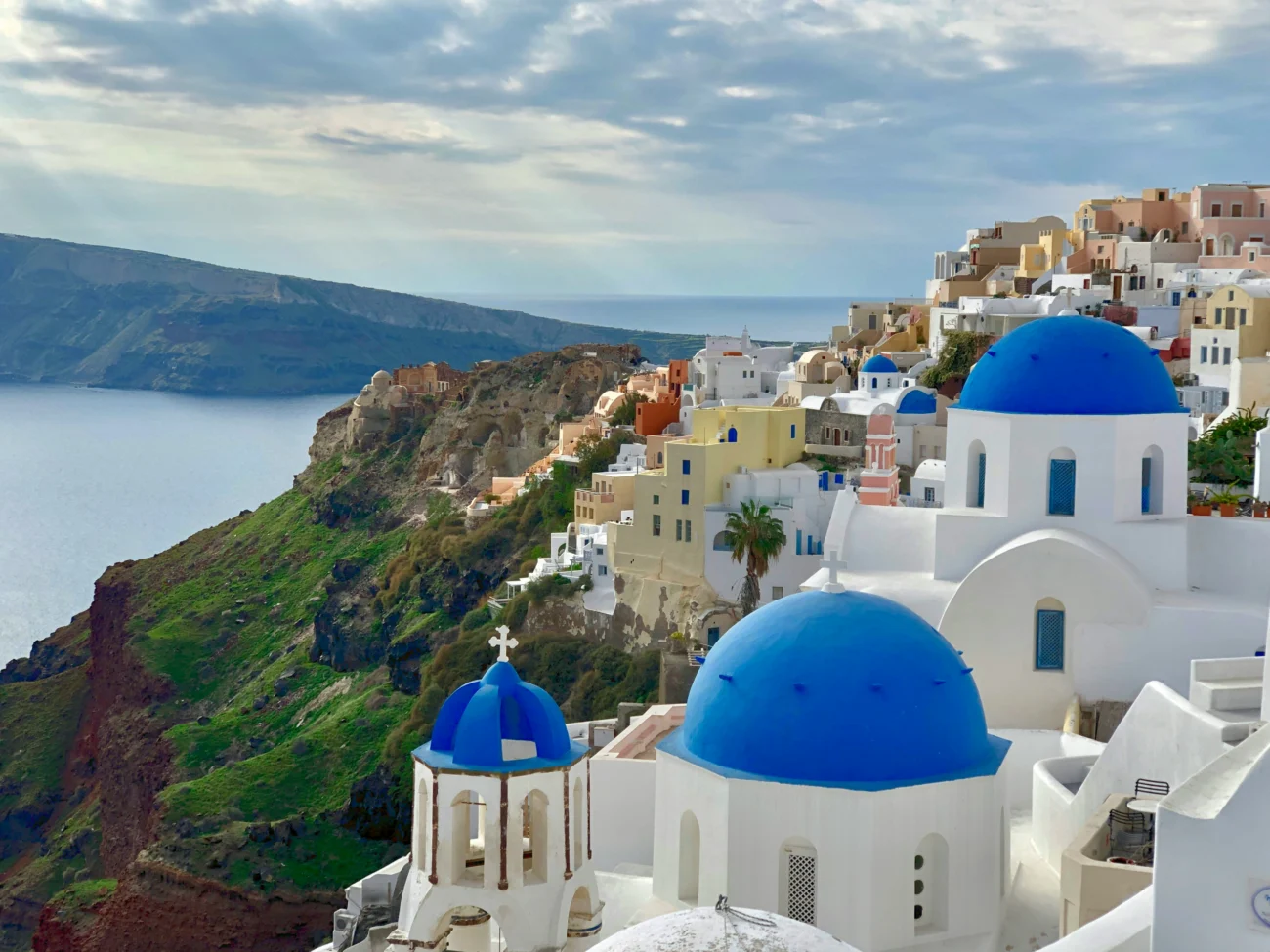
The name Koufonisia comes from the many natural caves that make the islands look hollow from the sea, which shows that the landscape has been carved mainly by waves and wind over a very long time. When you walk along the coast you see bright cliffs, arches and natural pools formed in softer rock, rather than black lava or pumice that you find on classic volcanic islands such as Santorini and Milos.
For travellers who love volcanoes, Koufonisia is still an excellent base in the Aegean. You can enjoy calm days on the beaches and then add a trip to world famous volcanic islands elsewhere in the Cyclades, where you will see real calderas, hot springs and dramatic crater walls. This way your holiday combines the relaxed charm of Koufonisia with the excitement of exploring the volcanic history of Greece.
Location
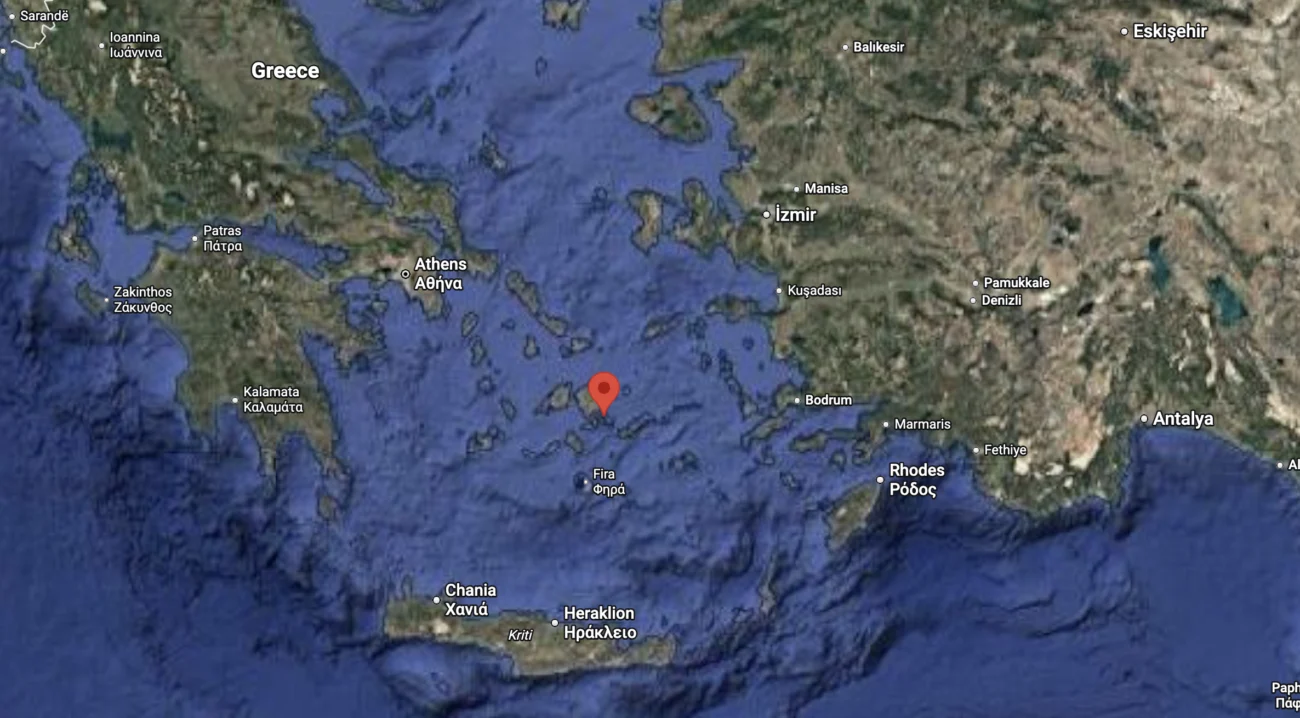
Koufonisia is part of the Lesser Cyclades, between Naxos and Amorgos, right in the heart of the Aegean Sea. The main inhabited island is Ano Koufonisi, where the port, hotels and most beaches are found, while Kato Koufonisi nearby is uninhabited and keeps a wild and simple character with a few beaches and one summer taverna.
The famous volcanic islands of the region lie further away in the wider Cyclades group. Santorini, also called Thira, is south of Naxos and is known for its huge caldera cliffs and views over the volcano and the sea. Milos, another volcanic island, is to the west of the main Cyclades and is loved for its colourful rocks, hot springs and unusual beaches created by past eruptions. From Koufonisia you cannot see these volcanoes, but ferries in the Cyclades network make it possible to include them in a longer island hopping plan.
How to get there
To reach Koufonisia you usually travel by ferry. There are sailings from the main Athens port of Piraeus and from other Cycladic islands, often with a change in Naxos depending on the season and the ferry company. Once you arrive at the small port of Ano Koufonisi almost everything on the island is within walking distance, including the main beaches on the south coast, so many visitors do not need a car at all.
If you wish to add a real volcanic experience to your stay, you can plan extra days on Santorini or Milos during the same trip. From Koufonisia you first take a ferry to Naxos or another larger hub, and from there you board a connecting ferry to Santorini or Milos depending on the timetable. On those islands there are many organised boat tours that visit the volcano, hot springs and caldera viewpoints, which you can book in advance or after you arrive.
Safety and things to carry
Koufonisia is considered a very safe destination, and the main risks for visitors are strong sun, heat and sea conditions rather than any kind of volcanic activity. Even on the hottest days you will probably spend hours walking along the coast or relaxing on the beach, so it is important to carry a sun hat, high factor sunscreen, light clothing, enough drinking water and good sandals or trainers for rocky paths.
If you join a boat trip in the Cyclades to visit a volcano or hot springs, it is wise to pack a small day bag with swimwear, a towel, reef friendly sunscreen, a light cover up and a reusable water bottle. The rocks on volcanic islands can be sharp and uneven, so closed shoes with good grip are a better choice than thin flip flops when you walk near crater rims or along lava paths. Always follow the advice of local guides and check weather conditions before you sail, especially on windy days in the Aegean.