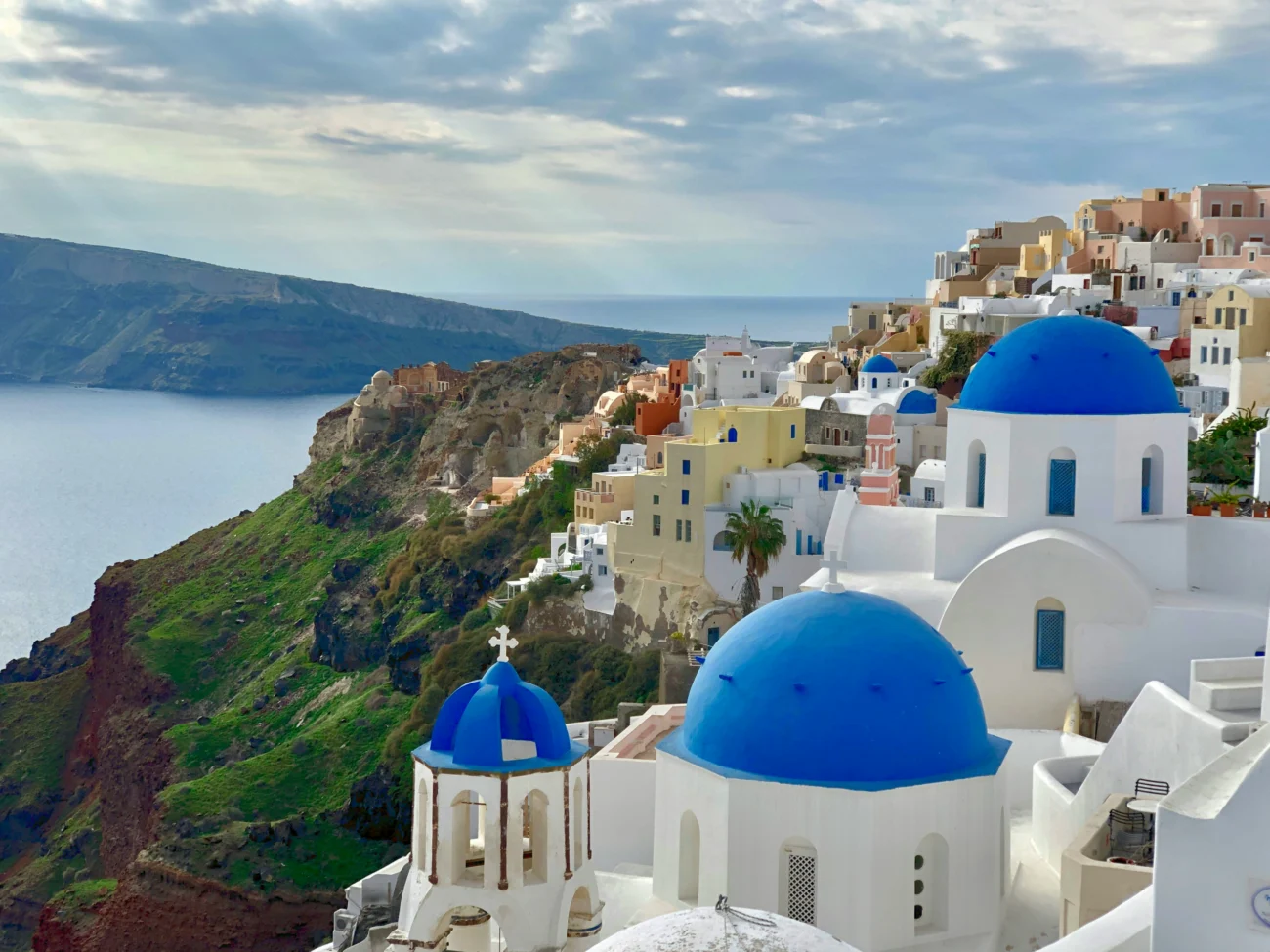
Amorgos is one of the most stunning islands in the Cyclades, known for its dramatic cliffs, crystal clear waters, and authentic Greek charm. Whilst many travellers head straight to the famous Panagia Hozoviotissa Monastery or the popular beaches, the real magic of Amorgos lies in its picturesque villages. These whitewashed settlements offer visitors a genuine glimpse into traditional Greek island life, complete with narrow winding alleys, colourful bougainvillea, and welcoming local tavernas.
Whether you are planning a holiday on Amorgos or simply want to explore beyond the main tourist routes, visiting the island’s villages should be high on your list. Each village has its own unique character and charm. Some are perched high on the mountainsides offering panoramic sea views, whilst others nestle closer to the coast providing easy access to beautiful beaches. The villages of Amorgos showcase traditional Cycladic architecture at its finest, with their signature blue domed churches and whitewashed cubic buildings that seem to tumble down the hillsides.
In this guide, we explore five of the best villages to visit during your time on Amorgos. These settlements represent the heart and soul of the island, offering visitors the chance to experience authentic island living, sample local cuisine, and discover hidden beaches. Whether you are a keen hiker, a beach lover, or simply seeking a peaceful retreat away from the crowds, these villages offer something special for every traveller.
Table of Contents
Lagada: A Picture Perfect Mountain Village
Perched high in the mountains above Aegiali, Lagada (also spelled Langada) is quite simply one of the most beautiful villages in the entire Cyclades. Situated on the edge of the dramatic Araklos Canyon, surrounded by the island’s highest peaks, Lagada offers visitors an authentic mountain village experience combined with spectacular views that seem to stretch all the way to the horizon.
The village itself is a visual feast for the eyes. Whitewashed cubic houses with traditional blue shutters line narrow, winding alleyways that twist and turn unpredictably. Wooden signs lead the way through the labyrinth of streets, whilst curious white doodles of hearts, cats, and stars adorn the walls, adding a playful touch to the traditional architecture. These artistic touches suggest the community here has a real sense of humour and creativity. Walking through Lagada feels like stepping back in time to a Greece of decades past, a place where life moves at a slower pace and locals still gather in the village square for coffee and conversation.
Lagada is one of the oldest settlements on Amorgos island, and it exemplifies defensive island architecture perfectly. In centuries past, villages were built high in the mountains to protect residents from pirate raids that frequently targeted coastal settlements. The narrow alleys and elevated position made these villages easier to defend. Today, this same layout creates a wonderfully intimate village atmosphere where locals still know their neighbours and visitors are greeted warmly.
The village is surrounded by stunning natural scenery, making it a paradise for hiking enthusiasts. Multiple ancient footpaths connect Lagada to other villages and remote beaches. One particularly popular hike leads to the rock carved chapel of Agia Triada, which sits at the edge of a dramatic cliff overlooking the sea. A few traditional cafes and tavernas operate in the village square, mostly serving local residents, though visitors are always welcome. The food here is authentic island cooking, featuring seasonal produce and traditional Greek recipes passed down through generations.
For those wishing to stay overnight, Lagada offers a handful of guesthouses and traditional accommodations. Villa Nina and Viviana’s Anoi House are particularly popular options, offering comfortable rooms with stunning village views. Staying in Lagada means you can experience the village at different times of day, from the quiet early morning when locals open their shutters, to the magical golden hour at sunset when the light bathes the white buildings in warm tones, to the peaceful night time when stars fill the sky and cicadas sing their evening chorus.
Getting to Lagada is straightforward. Several buses per day connect the village to Aegiali port, with the journey taking around twenty minutes. There are car parks just outside the village, making it easy to explore if you have hired a vehicle. A short steep drive from Aegiali brings you to this enchanting mountain settlement where time seems to move differently.
Chora
Chora is the capital of Amorgos and is widely regarded as one of the most beautiful main towns in the Cyclades, with whitewashed houses, blue doors and a dramatic position about three hundred and fifty to four hundred metres above the sea.
It has a medieval character with a thirteenth century Venetian castle on the rock above the village, old windmills on the ridge and a maze of narrow lanes that stay atmospheric even in the main summer months.
You can wander between small churches, traditional squares and simple local cafés, and from Chora it is straightforward to continue by road or path towards the famous Panagia Hozoviotissa monastery on the cliffs above the sea.
Because it sits almost in the centre of the island between Aegiali in the north and Kato Meria in the south, Chora also works as a natural base to explore the rest of Amorgos during the day and return in the evening for a more local night time atmosphere.
Tholaria
Tholaria is a traditional mountain village above Aegiali bay, considered by local and regional tourism bodies as one of the most beautiful on the island, with very well preserved Cycladic architecture.
You find narrow alleys, whitewashed houses, old stone archways and small courtyards, all with wide views down over the bay of Aegiali and the fertile area of Kampos.
The village is surrounded by hills crossed by marked walking paths, so it is an excellent base or stopping point for hiking, including circular routes linking Tholaria, Langada and the coastline.
Because it sits above the port and beach of Aegiali, you can easily combine a morning swim and lunch at sea level with an afternoon or evening visit to Tholaria for cooler air and sunset views.
Aegiali Ormos
Aegiali is the main bay in the north of Amorgos and Ormos, also called Gialos, is the small seaside settlement that serves as its port and low level village
This area is one of the three main centres of the island and brings together the long sandy beach, tavernas by the sea and a relaxed, slightly youthful atmosphere compared with the quieter mountain villages just above.
On the slopes around the bay sit the traditional villages of Langada, Tholaria and Potamos, so staying or spending time in Ormos makes it easy to move between sea and hillside within the same day.
Because Aegiali is also the second port of the island, with ferries and local boats, it naturally becomes a hub for visitors who want a combination of swimming, simple nightlife and access to hiking routes.
Katapola
Katapola is the main port village of Amorgos, set in a deep natural bay in the central part of the island, and is officially described as a traditional settlement.
It has a long waterfront with low houses, cafés and small shops, and behind the seafront narrow streets climb gently towards the hillside, giving views over the bay and the headland of ancient Minoa above.
The village is actually one of three small settlements around the bay, together forming the community of Katapola, with Xylokeratidi and Rachidi on each side, which you can easily reach on foot along the waterfront.
Because so many ferries arrive and depart from Katapola, most visitors pass through at some point, but it is worth allowing time to explore the back streets, visit the small churches and perhaps walk up towards the archaeological site of ancient Minoa on the hill above the port.
Planning Your Village Exploration
When planning a visit to Amorgos and its villages, consider the different experiences each destination offers. The beach focused villages like Lakki and Aspes suit those prioritising sea access and relaxation. The mountain villages of Lagada provide authentic island living and hiking opportunities. Skopelitis and Amorgion Village offer comfortable accommodation with excellent hospitality and convenient locations.
Most visitors spend between three to seven days on Amorgos to properly explore the island and its villages. Hiring a car or using the local bus service allows flexibility in visiting different settlements. Many villages have restaurants and cafes, though these typically operate in high season and may have limited hours in quieter months.
The best time to visit is May through October, when the weather is warm and sunny, though September and early October offer slightly fewer crowds and still excellent conditions. July and August can be busy with holidaymakers, which affects the peace and tranquillity of the quieter villages.
Amorgos offers an authentic Greek island experience that many travellers never discover. By venturing beyond the main ports to explore these villages, you will encounter genuine island hospitality, traditional architecture, stunning natural scenery, and the slower pace of island life that makes Greece so special. Each village tells a story of centuries of island living, adaptation to harsh conditions, and the resilience of communities that have maintained their traditions despite the march of modern tourism.
Whether you choose to stay in one village or move between several, these settlements offer unforgettable experiences and memories that will stay with you long after your holiday ends.