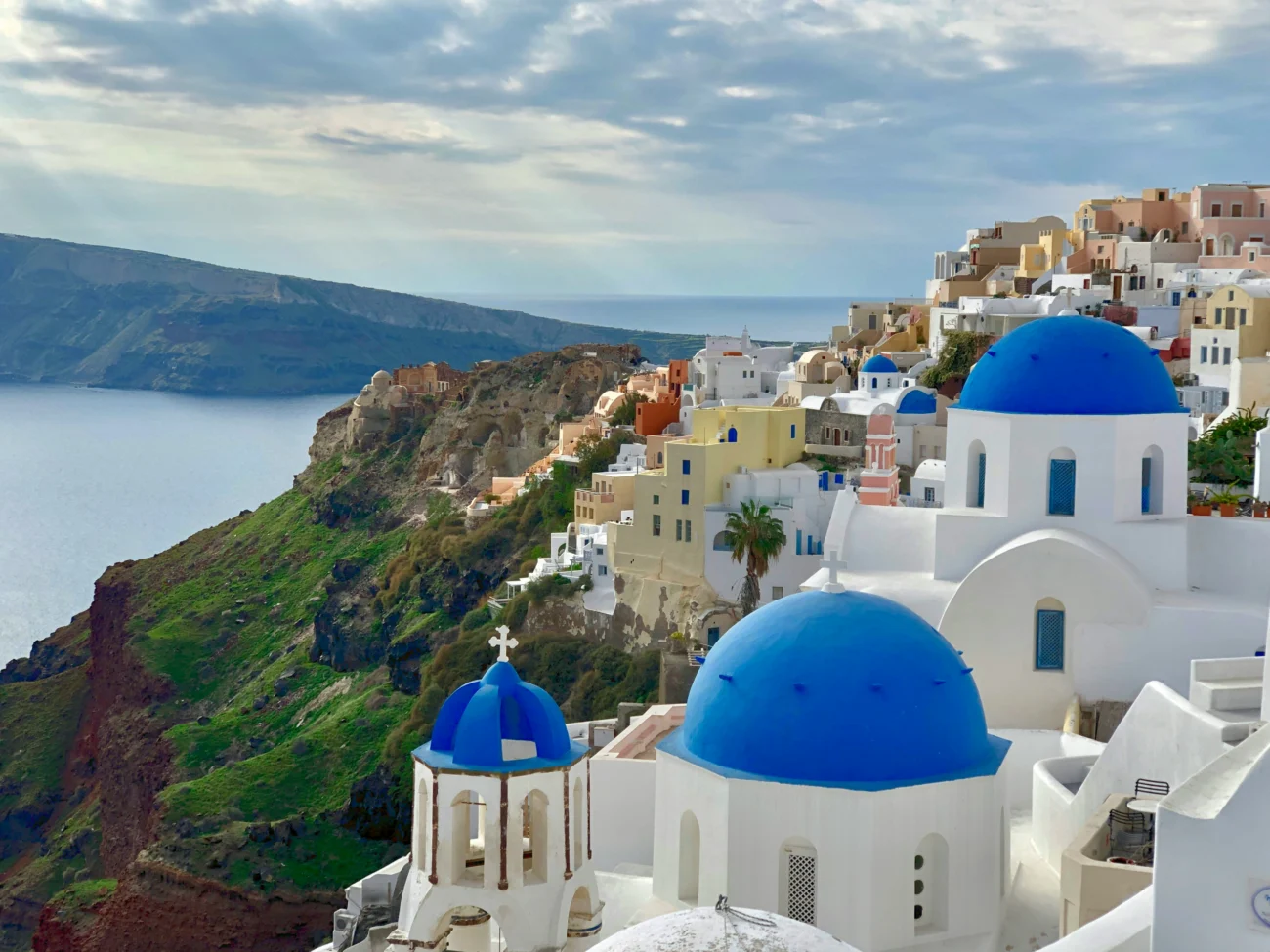
Serifos is one of the wildest and most characterful islands in the Cyclades, an island of rugged beauty, mythology and a dramatic industrial past. As your ferry rounds the headland into the port, the hilltop capital cascades down the mountainside like a frozen avalanche of white cubes, crowned by a Venetian castle, one of the most striking first impressions in the whole island group. This is the island of the Cyclops of Greek myth, where legend says Perseus turned a king to stone, and where abandoned iron mines tell the story of a hard-won piece of modern Greek history. With over 70 beaches, old miners’ paths to walk and a slow, unhurried atmosphere, here is what to do when you visit.
The best things to do in Serifos at a glance
- Explore Chora and climb to the Venetian castle for the best view in the Cyclades
- Visit the abandoned mines at Megalo Livadi and the 1916 strike memorial
- Hike to the Throne of Cyclops, the giant rock formation from Greek mythology
- Relax on the beaches, over 70 of them, from organised sands to remote coves
- Walk the old miners’ paths through the rugged landscape
- See the fortified Monastery of Taxiarches, which looks like a medieval castle
- Stroll the Livadi waterfront, the port and the heart of island life
- Watch the sunset turn the hilltop Chora golden
The main things to do in Serifos
Explore Chora and its Venetian castle
Chora, the capital of Serifos, is one of the most beautiful and dramatic hilltop towns in the whole Cyclades, and exploring it is the essential thing to do on the island. Built amphitheatrically on a rocky hill about 200 metres above the port at Livadi, it is a medieval fortified village of whitewashed houses, narrow winding alleys and stairways, deliberately built to confuse and protect against pirate raids. Wandering up through its lanes, discovering little squares and chapels, is a genuine pleasure.
At the very top lie the ruins of the old Venetian Kastro, the castle walls built by the Venetians in 1434, along with a cluster of tiny whitewashed chapels including Agios Konstantinos. The climb to the top is steep, so take water and a hat and avoid the hottest hours, but the reward is one of the finest views in the whole Cyclades, out over the Aegean and the scattered islands all around. At sunrise or sunset you may have the panorama entirely to yourself. The photography up here is superb. For more, see our guide to the villages of Serifos.
Visit the abandoned mines at Megalo Livadi
One of the most fascinating things to do on Serifos is to visit the abandoned iron mines at Megalo Livadi, on the south west coast. Mining shaped the island’s history and its economy for centuries, with ore extracted here since ancient times, and the remains of that industrial past make for an extraordinary open-air museum. You can walk among the rusting ore loaders that stretch out into the sea, explore the crumbling neoclassical company buildings, and see the underground galleries, iron rails and old wagons scattered across the rust-coloured hillside.
Megalo Livadi is also a place of real historical importance. In August 1916, the miners here went on strike against the harsh working conditions, and the clash with the authorities that followed was one of the first bloody labour uprisings in modern Greece, leading to the establishment of the eight-hour working day. A memorial marks the spot. Wandering these iron-stained ruins against the natural landscape, especially in the late afternoon light, is both moving and photogenic, and it gives real context to the rugged character of the island.
Hike to the Throne of Cyclops
Serifos is known as the island of the Cyclops, and one of its most intriguing sights is the Throne of Cyclops at Cape Kyklopas in the south west. According to Greek mythology, the Cyclopes, the huge one-eyed giants, once lived in this part of the island, and here you can find what legend calls the throne of the Cyclops Polyphemus, a remarkable natural rock formation that really does look like a giant stone armchair, made of seven huge carved boulders. How they came to be arranged this way is a genuine puzzle.
The site is reached by an easy hike that begins at the Monastery of Evangelistria, where you park if driving, and it rewards you with a spectacular panoramic view over Megalo Livadi and the Aegean. It is one of the most atmospheric spots on the island, combining myth, mystery and a wonderful view, and it makes a lovely short walk.
Relax on the beaches
Serifos has over 70 beaches, ranging from easy organised sands to remote coves reachable only by boat or on foot, and never busy in the way the beaches of the famous islands are. The main beach at Livadi and the neighbouring sandy Livadakia are the most convenient, close to the port with facilities. Around the coast you will find quieter gems: Psili Ammos, one of the island’s best sandy beaches, Agios Sostis with its pretty chapel right on the shore, Sykamia on the north coast, and the remote southern coves of Ganema, Kalo Ambeli and Koutalas.
Many of the most beautiful beaches are down rough tracks or reachable only by boat, which keeps them peaceful even in August. A small boat excursion is a lovely way to reach the most remote and inaccessible coves. The full main Serifos guide has more on the beaches and how to reach them.
Walk the old miners’ paths
Serifos has an excellent network of old stone footpaths, many of them the very paths the miners once used to walk to work, and hiking them is one of the best ways to experience the island’s rugged landscape and its history. The trails lead to hidden chapels, abandoned mines, remote beaches and breathtaking viewpoints. One of the most magical is the old miners’ path between Chora and the port area, which gives a beautiful side of the island at sunset. Other routes connect Chora to Megalo Livadi and the remote southern coves. Take proper shoes, water and a hat, as the landscape is exposed and rocky, and check the Serifos weather page before setting out.
See the Monastery of Taxiarches
In the north of the island stands the fortified Monastery of the Taxiarches, the most important monastery on Serifos, built in the 16th century. With its high walls, battlements and crenellations, it looks more like a medieval castle than a place of worship, a reminder of the days when monasteries had to defend themselves against pirate raids. The view from the abbey alone is worth the visit, and the drive out to it through the island’s interior takes you through a quieter, less-visited side of Serifos.
Stroll the Livadi waterfront
Livadi, the port, is the heart of island life and a lovely place to spend time, particularly in the evening. The waterfront curves around the sheltered bay, lined with tavernas, cafes and a few bars, and it has a relaxed, unpretentious atmosphere that suits the character of the island. Strolling the waterfront in the evening, watching the fishing boats and the lights of Chora coming on up on the hill above, and settling in for a long dinner by the water is one of the simple pleasures of Serifos. The neighbouring beach village of Livadakia is a short walk around the bay.
Taste the local food and honey
Serifos has a genuine local food tradition, and part of the pleasure of the island is eating simply and well in the tavernas of Chora and the Livadi waterfront. The island is known for its honey and its local cheeses, and in the summer months you can sometimes experience traditional honey harvesting. Seek out local dishes like the island’s revithada, a slow-cooked chickpea stew traditionally baked overnight, and enjoy the fresh fish brought in by the local boats. The village festivals, especially the big celebration on 15 August, are the best time to experience the island’s food and traditions at their most authentic.
Best things to do in Serifos for…
Couples
Serifos is a wonderfully romantic island for couples who want peace and natural beauty. Climb to the Venetian castle at sunset for the finest view on the island, walk the old miners’ path as the light turns golden, explore the atmospheric mining ruins at Megalo Livadi, and settle in for a long dinner on the Livadi waterfront. It is beauty and atmosphere without the crowds.
Families
Serifos suits families who want a relaxed, uncomplicated island. The sandy beaches at Livadakia and Psili Ammos have calm water good for children, the mining ruins and the Throne of Cyclops are a fun adventure for older children, and the island’s safe, friendly atmosphere makes it easy. Check the Serifos weather page before travelling.
History and mythology lovers
Serifos is rich in both history and myth. The ancient and industrial mining heritage at Megalo Livadi with its 1916 strike memorial, the Venetian castle in Chora, the fortified Monastery of Taxiarches, and the mythological Throne of Cyclops give the island a genuine depth to explore beyond its beaches.
Walkers
Serifos is one of the best walking islands in the Cyclades, with a network of old miners’ paths and footpaths leading to hidden chapels, abandoned mines, remote beaches and viewpoints. The rugged landscape and the sense of walking through the island’s history make it a rewarding destination for hikers who want something more than a beach holiday.
Planning your visit
Serifos is a rugged island and its sights are spread around the coast and the interior, so how you get around matters. A bus links the port at Livadi with the hilltop Chora through the day, which is the journey most visitors make, but it does not reach the mines at Megalo Livadi or many of the beaches, particularly in low season. A hire car or scooter gives you the freedom to reach the mining ruins, the Throne of Cyclops and the remote coves, and a boat excursion is the best way to reach the most inaccessible beaches. See our guides to getting around Serifos and the bus timetable for full details.
To decide where to base yourself for the things you most want to do, read our guide on where to stay in Serifos. To plan your arrival, see how to get to Serifos and the main ferry page. To see how everything on the island fits together, use the Serifos map, and for the wider region, the Greek islands map shows how Serifos connects to the rest of the Cyclades.