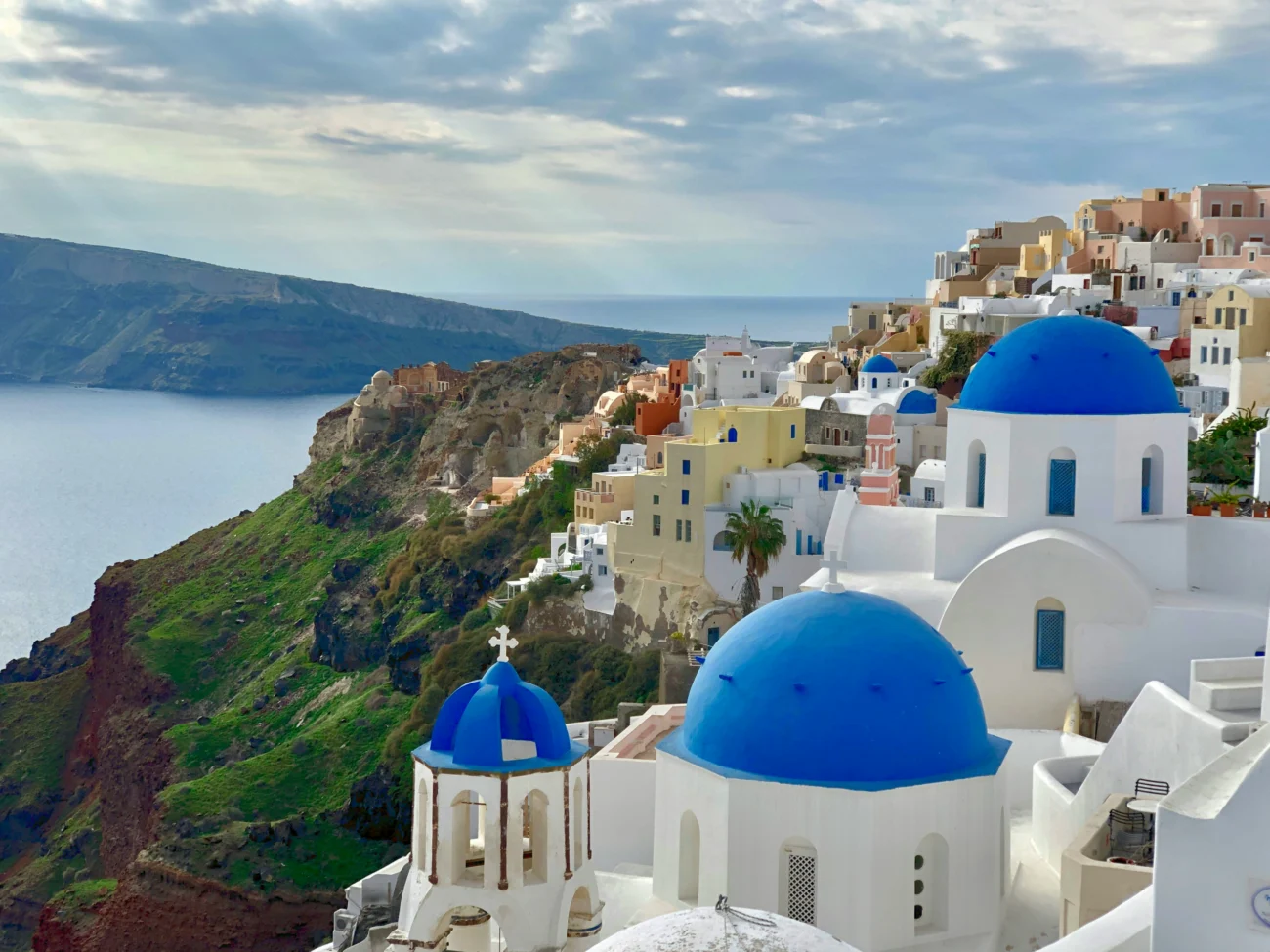
Milos is not just about beaches. Yes, it has over 70 of them, and yes, they are breathtaking. But what truly sets this volcanic Cycladic island apart from every other Greek island is its villages. They are small, deeply authentic, achingly beautiful and utterly unlike anything you will find on Santorini or Mykonos. From the hilltop capital of Plaka with its Venetian castle and legendary sunsets, to the tiny rainbow coloured fishing hamlets of Klima and Mandrakia where the Aegean Sea literally laps at your doorstep, every village in Milos has its own personality. This guide covers every single one worth knowing about, with everything you need to plan your visit properly.
Table of Contents
Quick Village Overview: Which One Is Right for You?
| Village | Vibe | Best For | Must Do |
|---|---|---|---|
| 🏛️ Plaka | Hilltop Cycladic capital | Culture, sunsets, dining | Venetian castle, sunset cocktails |
| 🌊 Adamas | Busy port hub | First arrivals, boat trips, nightlife | Harbour walk, boat tours to Kleftiko |
| 🎣 Pollonia | Relaxed seaside village | Families, seafood, wine tasting | Waterfront tavernas, Kimolos ferry |
| 🏠 Klima | Iconic fishing hamlet | Photography, romance, history | Syrmata boathouses, sunset views |
| 🐟 Mandrakia | Tiny cliffside village | Seafood dining, seclusion | Medusa restaurant, blue boathouses |
| ⛪ Trypiti | Hilltop historic gem | History lovers, hikers | Ancient theatre, catacombs walk |
| 🌿 Triovasalos | Authentic local life | Off the beaten path seekers | Traditional tavernas, village squares |
| 🦭 Firopotamos | Tiny hidden harbour | Solitude, photography | Syrmata boathouses, swimming |
| 🏖️ Provatas | Beachside settlement | Beach lovers, budget stays | Provatas Beach, peaceful evenings |
| 🌺 Pachena and Emborios | Deep off the track | Adventurous travellers | Volcanic landscapes, local wine |
1. Plaka: The Hilltop Capital That Rivals Santorini at Sunset
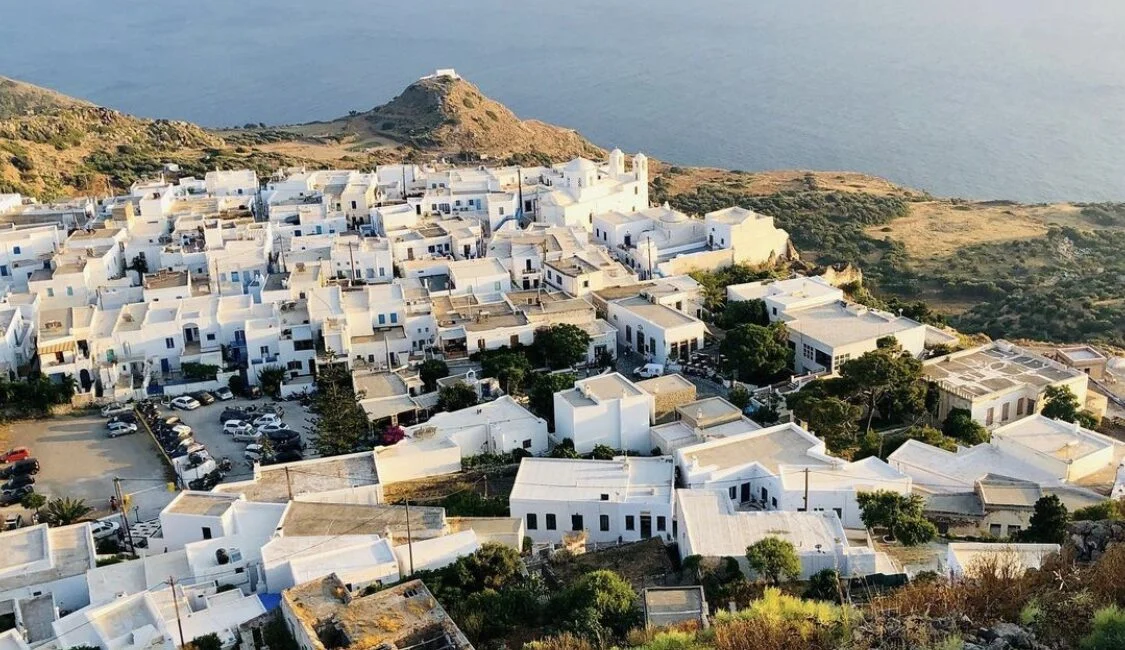
If you only visit one village during your entire time on Milos, make it Plaka. This is the island’s capital, sitting about 4 kilometres from Adamas port on a dramatic volcanic hillside. It has a population of around 800 people, a labyrinth of narrow cobblestone lanes, whitewashed houses draped in bougainvillea, blue doors and window frames, tiny art galleries, and one of the most spectacular sunset viewpoints anywhere in the Cyclades.
Most visitors fall completely in love with Plaka within the first ten minutes of arriving. There are no cars allowed in the upper part of the village, which gives it an almost magical, untouched quality, as if time has stood still here since the Venetians ruled the island in the 13th century.
The Venetian Kastro (Castle)
The single most iconic landmark in Plaka is the Kastro, the ruins of a Venetian castle perched at the very top of the hill. The castle was built during the period of Venetian rule over Milos, which lasted from 1204 to 1566. It is not a typical fortress with high walls but rather a fortified settlement, with the outer ring of houses built closely together to form a natural defensive wall around the community inside.
Today the castle ruins are open and completely free to visit. The walk to the top is steep in places but short and entirely worth the effort. From the summit you get a full 360 degree view of the island, the Bay of Milos, the uninhabited island of Antimilos in the distance, and on a clear day you can see all the way to Santorini. Arrive at least 20 minutes before sunset to find a good spot, as it can fill up quickly in peak season.
Panagia Korfiatissa: The Most Beautiful Sunset Spot on the Island
Many travellers argue that the most spectacular sunset in all of Milos is not from the Kastro itself but from the terrace beside Panagia Korfiatissa, the Cathedral of Milos. This is a beautiful early 19th century church dedicated to the Virgin Mary, sitting on the hillside just below the castle, with a wide marble paved courtyard that opens up directly to views over the Aegean Sea.
The sunset from here draws gasps every single evening. The sky turns shades of deep orange, gold and purple, the sea reflects the colours, and the white domed church glows in the warm light. Some regular visitors say it is more beautiful than Oia in Santorini, with considerably fewer crowds.
Local tip: Grab a cocktail from Verina Cocktail Bar or Utopia Caffe and carry it with you to the church terrace to watch the sunset. It is one of those simple travel experiences that stays with you long after you have gone home.
Panagia Thalassitra
On the path up to the castle, you will pass the equally stunning Panagia Thalassitra church, which is widely regarded as the most photographed church on the entire island. It dates back to the 17th century and sits right at the edge of the cliff, with sweeping views over the Bay of Milos. Bring your camera.
The Archaeological Museum of Milos
Right in the centre of Plaka village is the small but very worthwhile Archaeological Museum of Milos. It houses a collection of artefacts spanning the prehistoric to the Roman period, including ancient obsidian tools, pottery, jewellery and sculpture. There is also a full scale replica of the famous Venus de Milo statue, which was discovered near the village of Trypiti in 1820 and is now housed permanently in the Louvre Museum in Paris. The replica gives you a real sense of just how remarkable the original discovery must have been.
The Marmara Sand Museum
This is one of the most unusual and endearing little museums in all of Greece and it costs absolutely nothing to enter. A local geologist spent years collecting sand samples from different beaches and geological formations all across Milos and then from locations around the world, and has displayed them all here in a small, lovingly curated space. You can look at the samples under a microscope and the owner himself is always around for a chat. It is quirky, fascinating and completely unexpected.
The Folk and Historic Museum
Located right next door to Panagia Korfiatissa church, the Folk and Historic Museum has been open since 1967 and is run by the Melian Association in Athens. It preserves traditional items of Melian life including clothing, tools, furniture, embroidery and other household objects from earlier centuries. It gives you a real sense of what daily life was like on the island before tourism arrived.
Where to Eat and Drink in Plaka
Plaka has a genuinely excellent food scene for such a small village. Tables spill out into the narrow lanes every evening, and the atmosphere after sunset is warm, lively and deeply Greek.
- Avli Milos: One of the most loved restaurants on the island. The name means “backyard” in Greek, and it is essentially a charming open air courtyard restaurant serving exceptional homemade dishes. They do not take reservations, so arrive early and expect a short wait. The beetroot yoghurt and the seafood pasta are outstanding.
- Utopia Caffe: Famous as the best spot for sunset cocktails in Plaka. Grab a table as early as possible because they fill up fast. The cocktail list is creative and the views over the Aegean are everything you came to Greece for.
- Verina Cocktail Bar: Another brilliant option for sundowners, and a great place to pick up a drink to take with you to the church terrace.
- Fatses: A relaxed cafe and restaurant right on the central square of Plaka. Their live music evenings are very popular with locals and visitors alike.
- Ergina: A romantic restaurant serving homemade pasta and traditional Greek dishes. Reservations are strongly recommended in the evenings.
- Mavros Xoiros Grill House: Perfect if you are in the mood for grilled meats and hearty Greek classics.
- Archondoula Taverna: One of the oldest and most famous tavernas in Plaka, known for excellent fresh fish and traditional Melian cuisine.
- Palaios Cafe: A wonderful traditional bakery serving pastries unique to Milos, including karpouzopita, a sweet watermelon pie that you absolutely must try.
- Kri Kri: A lively bar in the heart of Plaka with a courtyard setting and regular live music nights.
How to Get to Plaka
Plaka is 4 kilometres from Adamas port. You can reach it by public bus (the bus stop is right in the village square), by taxi or by rental car. There is a municipal car park at the entrance to the village where you leave your vehicle and continue on foot. The village itself is completely pedestrianised in its upper areas.
Best time to visit Plaka: Late afternoon and evening, so you can explore the lanes in the cooler part of the day and then watch the sunset from the castle or the cathedral terrace before sitting down to dinner.
2. Adamas: The Island Hub That Has More Charm Than You Expect
Adamas, also known as Adamantas, is the main port town of Milos. It is where ferries arrive and depart, where most car hire agencies operate, where boat tours to Kleftiko and other sea caves depart from daily, and where you will find the highest concentration of restaurants, bars, supermarkets and practical services on the island.
It is not the most charming village on Milos, but it is far more pleasant than a typical port town. It sits right on the calm inner bay of Milos, surrounded by volcanic cliffs and clear blue water, and the waterfront promenade is a genuinely lovely place for an evening stroll. If you are visiting Milos without a car, Adamas is your best base because the public bus network starts here.
The Waterfront Promenade
The main street of Adamas runs along the length of the port for about 2 kilometres, from Lagada Beach on the western side all the way around to Papikinou Beach on the eastern end. It is lined with cafes, restaurants, souvenir shops, tour agencies and car hire desks. An evening walk along the promenade is one of those simple pleasures that Milos does extremely well.
Papikinou Beach
Located a 15 minute walk southeast of the port, Papikinou Beach is a long narrow stretch of golden sand with sun loungers and umbrellas available to hire. There are trees for shade, which is rare and very welcome on a hot Greek island afternoon. The legendary O Hamos Taverna is right across the road from the beach and is consistently rated as one of the best traditional restaurants on the entire island.
Lagada Beach
A 2 minute walk west of the port is Lagada Beach, which is a calm and convenient option for a morning swim. Kayaks are available to hire here, and if you follow the coastal path heading north you will eventually reach the Adamas Lighthouse, which rewards the walk with excellent views back over the town and the bay.
The WWII Bomb Shelter Tunnels
This is a surprisingly fascinating stop that most visitors completely overlook. Beneath the streets of Adamas there are tunnels that were built and used by the German military in 1943 as a hospital and shelter. They are accessible from off the main promenade and give you a very different and sobering perspective on the island’s 20th century history.
Museums in Adamas
Adamas has three museums worth a visit if you have time between beach days and boat trips.
- The Ecclesiastical Museum of Milos: Houses an important collection of Byzantine icons and religious artefacts spanning several centuries.
- The Mining Museum of Milos: Milos has been one of the most significant mining islands in the Mediterranean for thousands of years. The island is rich in minerals including obsidian, sulphur, bentonite and barite. This museum tells the story of that extraordinary geological and industrial history in a very accessible way.
- The Naval Museum of Milos: A small museum celebrating the island’s seafaring history.
Boat Tours from Adamas Port
One of the biggest advantages of staying in or near Adamas is that virtually every boat tour on the island departs from here. Kleftiko, the dramatic series of white volcanic rock formations and sea caves on the southwestern coast of Milos, is only accessible by boat and is widely considered one of the most spectacular natural sights in the entire Aegean. Full day boat tours, catamaran trips and private boat rentals all depart from Adamas port daily between late April and October.
Where to Eat and Drink in Adamas
- O Hamos Taverna: Ask any local where to eat in Milos and the answer will almost always involve O Hamos. It is the most authentic, traditional and genuinely Melian restaurant on the island, serving food from the owners’ own farm on the coast beside Papikinou Beach. The lamb dishes, grilled vegetables and meze plates are extraordinary.
- Nostos: An upscale seafood restaurant right on the harbour with a beautiful setting and a wonderful wine list. Their orange cake is famous.
- Mikros Apoplous: A modern Greek restaurant overlooking the quiet bay, serving fish dishes, Greek classics and a handful of fusion options.
- Meleiko Cafe: The best spot in Adamas for ouzo and meze, right in the harbour.
- Milors: Brilliant for breakfast, with generous Greek breakfast combinations including fresh orange juice and excellent coffee.
- Akri Bar: The best bar in Adamas for views and live music on the waterfront.
- Fiki Cocktail Bar: A popular choice for evening drinks right on the port.
- Garden Juice Bar: Perfect for healthy smoothies and fresh juices between beach trips.
- Aggeliki: Famous for its homemade ice cream. Do not leave without trying it.
How to Get to Adamas
Adamas is the arrival point for all ferries to Milos and is 5 kilometres from the airport. It is the central hub for the island’s public bus network, with services departing from the main bus station right in the port area.
3. Pollonia: The Most Charming Place to Stay on the Island
Pollonia sits on the northeastern tip of Milos, about 12 kilometres from Adamas port, and many experienced Milos visitors consider it to be the best village on the island. It is a small, beautifully kept seaside village built around a calm, sheltered horseshoe shaped harbour with a long sandy beach, a handful of outstanding waterfront restaurants, and a genuinely laid back, unhurried atmosphere that is very hard to leave once you settle in.
Think of Pollonia as a smaller, quieter, slightly more upscale version of Naousa in Paros. There are no big clubs or noisy bars here. Instead you get long lunches by the water, evening wine tastings at a local winery, sunset swims in clear shallow water and some of the freshest seafood on the island served just metres from where it was caught.
Pollonia Beach
The village beach runs along the inside of the horseshoe bay and is one of the best family beaches on Milos. The water is calm, shallow and crystal clear, making it safe and enjoyable for young children. The sand is soft and golden, and there are trees along the shoreline providing welcome shade in the heat of the afternoon. Sun loungers and umbrellas are available to hire during summer. A handful of waterfront tavernas are positioned right on the beach so you can eat with your feet practically in the sand.
The Ferry to Kimolos Island
This is one of the great little adventures available from Pollonia. Right next to the church of Agia Paraskevi is the small ferry port from which you can catch a 25 minute boat crossing to Kimolos, a tiny volcanic island with a population of around 400 people that is virtually unknown to international tourism. Kimolos has pristine, uncrowded beaches including the spectacular Prassa Beach with its white sand and turquoise water, a beautifully preserved chora village, and a handful of traditional tavernas. The ferry runs several times a day in high season, costs just €2 per adult, and makes for a perfect and very easy day trip from Pollonia.
Papafragas Beach and Sarakiniko
Pollonia’s position on the northern coast of Milos means it is also the closest base to two of the most famous sites on the island. Sarakiniko Beach, with its otherworldly white volcanic rock formations that resemble a moonscape, is just a short drive away. Papafragas Beach, a spectacular sea cave with a narrow inlet and impossibly blue water, is equally close. If you are staying in Pollonia you can reach both of these iconic spots in under 10 minutes by car or scooter.
Kostantakis Winery
About an 11 minute walk southwest of Pollonia centre is the beautiful modern tasting room of Kostantakis Winery, one of the best small producers of Melian wine. They open daily from 5 PM between May and October and offer tastings of their dry white, dry rosé and medium bodied red wines made from grapes grown on volcanic soil. It is a wonderful way to spend a late afternoon, and the staff are knowledgeable and welcoming.
Diving in the Milos Triangle
Pollonia is the base for some of the best diving in the Aegean. The underwater triangle formed by Milos, Kimolos and the uninhabited island of Poliegos is home to a remarkable diversity of marine life including the rare Mediterranean monk seal, octopuses, nudibranchs, barracudas, spider crabs and lobsters. Several dive operators offer courses and guided dives for both beginners and certified divers, departing from Pollonia.
Ancient Filipi and the Temple of Apollo
On the main road heading into Pollonia from Adamas, you will pass the ruins of the ancient city of Filipi, which was one of the most significant settlements in the wider Aegean during antiquity. On the northwestern peninsula of Pollonia is the cape of Pelekouda, where archaeologists believe an ancient temple dedicated to Apollo once stood. Neither site is a major tourist attraction in the conventional sense but they add a quiet sense of history and depth to what is already a very special place.
Where to Eat and Drink in Pollonia
Pollonia has the best concentration of quality restaurants on the island, and its waterfront dining scene is simply wonderful.
- Armenaki: Widely considered the best seafood taverna on Milos. The owner is an expert in Cycladic and organic wines and keeps one of the finest wine lists on the island. A genuinely special restaurant.
- Enalion: An outstanding restaurant on the waterfront where most of the menu comes from the owner’s own farm and from locally caught seafood. The setting is romantic, the service is warm and the food is exceptional.
- De Milos: One of the most popular spots on the Pollonia waterfront, known for beautifully prepared Mediterranean dishes and a wonderful atmosphere in the evenings.
- Ammos: A reliable and very enjoyable seafood restaurant right on the harbour.
- Hanabi Seaside Sushi: A contemporary sushi restaurant with a beautiful seaside setting. A surprising and very welcome addition to Pollonia’s food scene.
- Rakomelo: Mediterranean cuisine with a lovely harbour view. Perfect for a long, relaxed lunch.
- Yialos: Traditional Greek seafood with a modern twist.
- Deck Milos: Great for brunch, cocktails and a casual afternoon by the water.
- Cactus Cafe Bar: A relaxed option for drinks in the evening.
- Cafe Palaios: An absolute must visit for dessert. Everything is homemade and the orange cake with olive oil is one of those things you will still be thinking about months later.
How to Get to Pollonia
Pollonia is 12 kilometres from Adamas port, approximately 20 minutes by car. The public bus from Adamas runs to Pollonia several times daily during summer. There is a large public car park a couple of hundred metres from the village centre.
4. Klima: The Most Photogenic Fishing Village in Greece
There is something genuinely magical about Klima. It is one of the smallest settlements on Milos, sitting right at the water’s edge on the inner Bay of Milos, just below the village of Trypiti and a few kilometres from Plaka. But despite its tiny size, Klima is arguably the most photographed spot on the entire island and one of the most visually striking little villages anywhere in the Mediterranean.
What makes Klima so special is its syrmata: traditional two storey fishermen’s houses built directly on the shoreline, with the lower level serving as a boat garage and the upper level as the family’s living space. Each house has been painted in a different vivid colour. You will see cobalt blue, emerald green, coral red, mustard yellow and soft pastel pink shutters and doors lining the rocky waterfront, their colours reflecting in the clear water of the bay. The effect is breathtaking, particularly in the golden light of late afternoon and sunset.
The Story Behind the Colours
Many people assume the bright colours are for the benefit of tourists. In fact they predate tourism entirely. Fishermen painted their own homes in distinctive colours so they could identify their house from the water when returning from a long day or night at sea. The practicality of the idea is delightful, and the beauty it created by accident is extraordinary.
A Brief History of Klima
Klima has been inhabited since the 7th century BC, when Dorian settlers arrived on Milos from Sparta. The village grew into a significant port during the classical and Roman periods, and the wider area is one of the most historically rich parts of the entire island. Just above Klima on the hillside is the Ancient Theatre of Milos, which overlooks the sea and remains one of the island’s most impressive archaeological sites. Nearby are the early Christian Catacombs of Milos. And it was in a field very close to Klima that a Greek farmer discovered the Venus de Milo statue in 1820, a discovery that eventually led the statue to the Louvre Museum in Paris where it remains today.
Wandering Through the Syrmata
The village itself takes about 20 minutes to walk through properly, but you will probably want much longer. The syrmata line both sides of the rocky waterfront, and waves sometimes wash right over the narrow pathway between the houses and the sea, so wear sandals or shoes you do not mind getting wet. Some of the lower level syrmata have been converted into small souvenir shops and holiday accommodation. If you have the opportunity, spending a night or two in a renovated syrmata with the sea literally at your door is one of the most memorable things you can do on Milos.
A handful of locals still live in Klima year round. In the quieter evening hours, after the day visitors have left, the village takes on an entirely different quality. The silence, broken only by waves and the occasional fishing boat engine, is deeply peaceful.
Astakas Restaurant
The small restaurant Astakas sits right at the water’s edge in Klima and has become one of the most sought after dinner reservations on the island. The setting is as romantic as any restaurant in Greece: the sea is right below you, the coloured boathouses surround you and the sunset turns everything golden. The menu is focused on fresh, simply prepared seafood. Reservations are essential and should be made well in advance during summer.
How to Get to Klima
The road to Klima winds steeply down from the village of Trypiti. There is a small free car park about 300 metres from the waterfront, from where you walk the rest of the way down. You can also take a public bus from Adamas to the Katakomves stop and then walk the remaining distance on foot. The walk down is very manageable but the walk back up in summer heat can be demanding, so go in the late afternoon rather than midday.
5. Mandrakia: Tiny, Dramatic and Unforgettable
Mandrakia is the smallest village covered in this guide and also one of the most captivating. It sits on the northern coast of Milos, about 9 kilometres from Adamas, tucked into a narrow rocky inlet with an exceptionally picturesque little harbour fringed with bright blue syrmata. The village has barely a dozen permanent residents, a handful of cats, and one restaurant. But that one restaurant alone makes Mandrakia worth the journey.
Medusa Restaurant
Medusa is one of the most remarkable dining experiences in the entire Cyclades. The restaurant perches at the very edge of the cliff above Mandrakia’s tiny harbour, with the Aegean Sea crashing against the rocks just below the outdoor terrace. The menu is focused on fresh seafood and Mediterranean dishes, and the cooking is excellent. But it is the location that people talk about for years afterwards. On a calm summer evening with the sea gleaming below and the syrmata glowing in the last light, dinner at Medusa is the kind of experience that defines a trip.
Book well in advance. Medusa is very popular and tables are hard to come by without a reservation in summer.
The Syrmata of Mandrakia
Like Klima, Mandrakia has its own collection of traditional syrmata boathouses painted in vivid colours, though the palette here leans heavily towards bright blue. The harbour is tiny, sheltered and extraordinarily photogenic. The light here in the morning and in the late afternoon is exceptional for photography.
How to Get to Mandrakia
Mandrakia is reachable by car in about 15 minutes from Adamas. The road is paved but narrow in places. There is a small parking area at the top before the path descends into the village. A rental car or scooter is essentially the only practical way to get here as there is no bus service to Mandrakia.
6. Trypiti: The Hilltop Village with Ancient Secrets Beneath It
Trypiti sits on a hill just above Klima, a few kilometres south of Plaka, and in many ways it is the historical heart of Milos even though relatively few visitors spend much time here. The name Trypiti means “full of holes” in Greek, and it is an apt description: the hill beneath and around the village is honeycombed with the ancient Christian catacombs that give this area its most significant historical distinction.
Trypiti is a traditional, quiet Cycladic village with beautiful views over the bay, a handful of excellent restaurants, restored windmills along the ridge and a deep connection to the most important archaeological and religious sites on the island.
The Catacombs of Milos
The Catacombs of Milos are the only early Christian catacombs discovered in all of Greece outside of Rome, and they are genuinely extraordinary. Carved into the soft volcanic rock beneath the hillside, these underground burial chambers were used between the 1st and 5th centuries AD and contain approximately 2,000 individual tombs. Guided tours take you through the illuminated tunnels and explain the early Christian community that lived and died here in the centuries after the time of Christ. The catacombs are open to visitors from Tuesday to Sunday and the entrance fee is modest. This is a genuinely unmissable historical site if you have any interest in ancient or early Christian history.
The Ancient Theatre of Milos
Just downhill from Trypiti, in the direction of Klima, is the Ancient Theatre of Milos, a beautifully preserved open air theatre carved into the natural slope of the hillside overlooking the sea. Seven tiers of marble seating have been excavated, with up to nine rows of benches in each tier. The theatre dates back to the Hellenistic period and was further developed during Roman times. Entry is free. The views from the theatre down towards the Bay of Milos and the coloured boathouses of Klima below are quite stunning.
The Discovery Site of Venus de Milo
Very close to the ancient theatre is the spot where a Greek farmer named Georgios Kentrotas discovered a remarkable marble statue in April 1820 while digging in his field. The statue was the Venus de Milo, one of the most famous works of ancient Greek sculpture in the world, created between 130 and 100 BC and believed to depict Aphrodite, the goddess of love. The statue was eventually acquired by French agents and transported to Paris, where it has been on permanent display in the Louvre ever since. A memorial plaque and a faithful replica now mark the discovery site on Milos, and the Archaeological Museum in Plaka holds a full scale cast of the original statue.
The Windmills of Trypiti
Along the ridge of the hill above Trypiti is a row of traditional Cycladic windmills. Several of them have been beautifully restored and converted into very special holiday accommodation. If you are looking for a truly unique and romantic place to stay on Milos, a windmill in Trypiti is one of the best options on the island. The views from the windmill ridge are panoramic and extraordinary.
Where to Eat in Trypiti
- Barriello: Consistently recommended by both locals and regular visitors as one of the best restaurants in the Plaka and Trypiti area. Book ahead.
- Astakas: Located in Klima just below Trypiti but very much associated with this part of the island. Waterfront dining at its finest.
How to Get to Trypiti
Trypiti is a 15 to 20 minute walk from Plaka village, or a few minutes by car. It is also served by the Adamas to Plaka public bus route. From Trypiti you can walk the 2.5 kilometre trail down to Klima, which is a lovely and manageable hike with wonderful views.
7. Triovasalos: Real Village Life Away from the Tourist Trail
Triovasalos is one of the three villages that together make up the central municipality of Milos, along with Plaka and Pera Triovasalos. It sits just below Plaka on the hillside and is much more of a working village than a tourist destination. You will not find many souvenir shops here, but you will find genuine Greek village life, excellent local food and a real sense of the island as it actually is rather than as it is packaged for visitors.
Bakalikon Galanis
The main reason most travellers make their way to Triovasalos is to eat at Bakalikon Galanis, a small and very special restaurant serving traditional Melian dishes in generous portions at fair prices. Everything on the menu is prepared with care and quality local ingredients. This is one of the most warmly recommended restaurants on the entire island by people who know Milos well, and it is the kind of place that fills up early with locals and in the know visitors alike.
The Village Square and Daily Life
Triovasalos has a pleasant central square with a couple of traditional kafeneions where older locals gather for coffee and conversation in the mornings. It is the kind of scene that you can sit and watch for an hour with a coffee in hand and feel genuinely content. There are also a few small traditional shops selling local products including the famous Melian capers, local honey and pickled volvoi, the bulbs of the tassel hyacinth which are a very traditional Melian food.
How to Get to Triovasalos
Triovasalos is on the public bus route between Adamas and Plaka and is reachable in just a few minutes by car from either direction.
8. Firopotamos: A Secret Harbour That Feels Like a Dream
Firopotamos is one of the least visited villages on Milos and one of the most beautiful. It is a tiny settlement of traditional syrmata houses on the northern coast, tucked into a sheltered cove with an exceptionally calm and clear little harbour. The village has just a handful of permanent residents and no tourist infrastructure to speak of. There is no restaurant, no bar and no shop. What there is, is absolute peace.
The syrmata here are painted in the same vivid blues, reds and greens as those in Klima and Mandrakia, and they sit in a particularly dramatic cove setting with dark volcanic rock all around. The water in the harbour is extraordinarily calm and clear, making it one of the best places on the island for a quiet morning swim.
Firopotamos is best reached by car or scooter and is a wonderful stop to include on a morning drive around the northern coast of Milos, perhaps combined with a visit to Mandrakia, Papafragas and Sarakiniko in the same loop.
9. Provatas: A Peaceful Beachside Settlement for Beach Lovers
Provatas is less of a traditional village and more of a small coastal settlement that exists primarily because of the beautiful beach it sits beside. Provatas Beach is a long stretch of dark volcanic sand on the southern coast of Milos, sheltered by dramatic dark cliffs and with very calm, clear water. It is one of the less crowded beaches on the island and has a wonderfully peaceful atmosphere.
There are a few tavernas and accommodation options right on the beach, making Provatas a good base for travellers who want to be right by the sea and prefer to avoid the busier areas around Adamas. The beach has sun loungers and umbrellas available to hire in season, and the swimming is excellent.
Provatas is about 12 kilometres from Adamas and is served by public bus in summer.
10. Emborios: The Most Remote and Rewarding Village on the Island
Emborios sits on the southern coast of Milos directly across the bay from Adamas port. It is one of the most remote inhabited settlements on the island and is rarely visited by tourists, which is precisely what makes it so special. The drive to get there takes you through volcanic landscapes that feel almost lunar in their drama, and the arrival into the small harbour is one of those genuine surprise moments of travel.
There is a legendary seaside taverna right on the water in Emborios called Empourios, which is so close to the sea that when a high speed ferry passes on the other side of the bay, the waves generated by it eventually reach the terrace about 20 minutes later. It is a remarkable and completely unforgettable place to have a long, slow Greek lunch.
Emborios is best visited by car or scooter. The road is partly unpaved in sections and a small 4×4 or ATV makes the journey considerably easier.
Practical Guide: Village by Village Comparison
| Village | Distance from Adamas | Best Transport | Open in Winter | Restaurants | Parking |
|---|---|---|---|---|---|
| Plaka | 4 km | Bus or car | Yes | Many | Yes, at village entrance |
| Adamas | 0 km | On foot | Yes | Many | Yes, at port |
| Pollonia | 12 km | Bus or car | Partially | Many | Yes, nearby |
| Klima | 7 km | Car or bus then walk | Limited | One (Astakas) | Small, 300m away |
| Mandrakia | 9 km | Car only | Limited | One (Medusa) | Small, at top |
| Trypiti | 6 km | Bus or car | Partially | A few | Yes |
| Triovasalos | 5 km | Bus or car | Yes | A few | Yes |
| Firopotamos | 11 km | Car or scooter | Limited | None | Roadside |
| Provatas | 12 km | Bus or car | Limited | A few | Yes, on beach road |
| Emborios | 12 km | Car only | Very limited | One (Empourios) | Small |
What is the most beautiful village in Milos?
That depends on what you are looking for. Plaka wins for overall beauty, culture, dining and sunset views. Klima wins for sheer photogenic drama. Pollonia wins for atmosphere, food and family friendliness. Mandrakia wins for the combination of scenery and a world class restaurant in the smallest possible setting.
Which village is best for families?
Pollonia is the top choice for families. It has a calm, shallow sandy beach that is safe for children, a great selection of restaurants, and an easy going pace. Adamas is also very practical for families as it has every service you could need.
Which village is best for a romantic trip?
Klima for the boathouses and sunset atmosphere. Plaka for the Venetian castle, narrow lanes and candlelit dinners. Trypiti for windmill accommodation and hilltop views. Mandrakia for dinner at Medusa with the sea crashing below.
Which village should I stay in if I do not have a car?
Adamas, without question. It is the hub of the island’s public bus network and has everything you need within walking distance.
Can I visit all the villages in one day?
You could cover Plaka, Trypiti, Klima and Triovasalos in a single day quite comfortably, as they are all in the same area of the island. Pollonia and Mandrakia make a good pairing for a northern coast day. Adamas and Provatas pair well for a southern exploration. Firopotamos and Emborios are best combined with a full day of driving the southern and western coast.
When is the best time to visit the villages of Milos?
May, June and September are ideal. The weather is warm and beautiful, the villages are open and active, but the intense crowds of July and August have not yet arrived or have already departed. The villages in Milos are far more pleasant to wander in the shoulder season than at the height of summer.
Is Plaka worth visiting even if I am only on Milos for two days?
Absolutely yes. Plaka is the single most important stop on any visit to Milos regardless of how long you are there. The Venetian Kastro, the churches, the museums and the sunset are all things that cannot be missed.