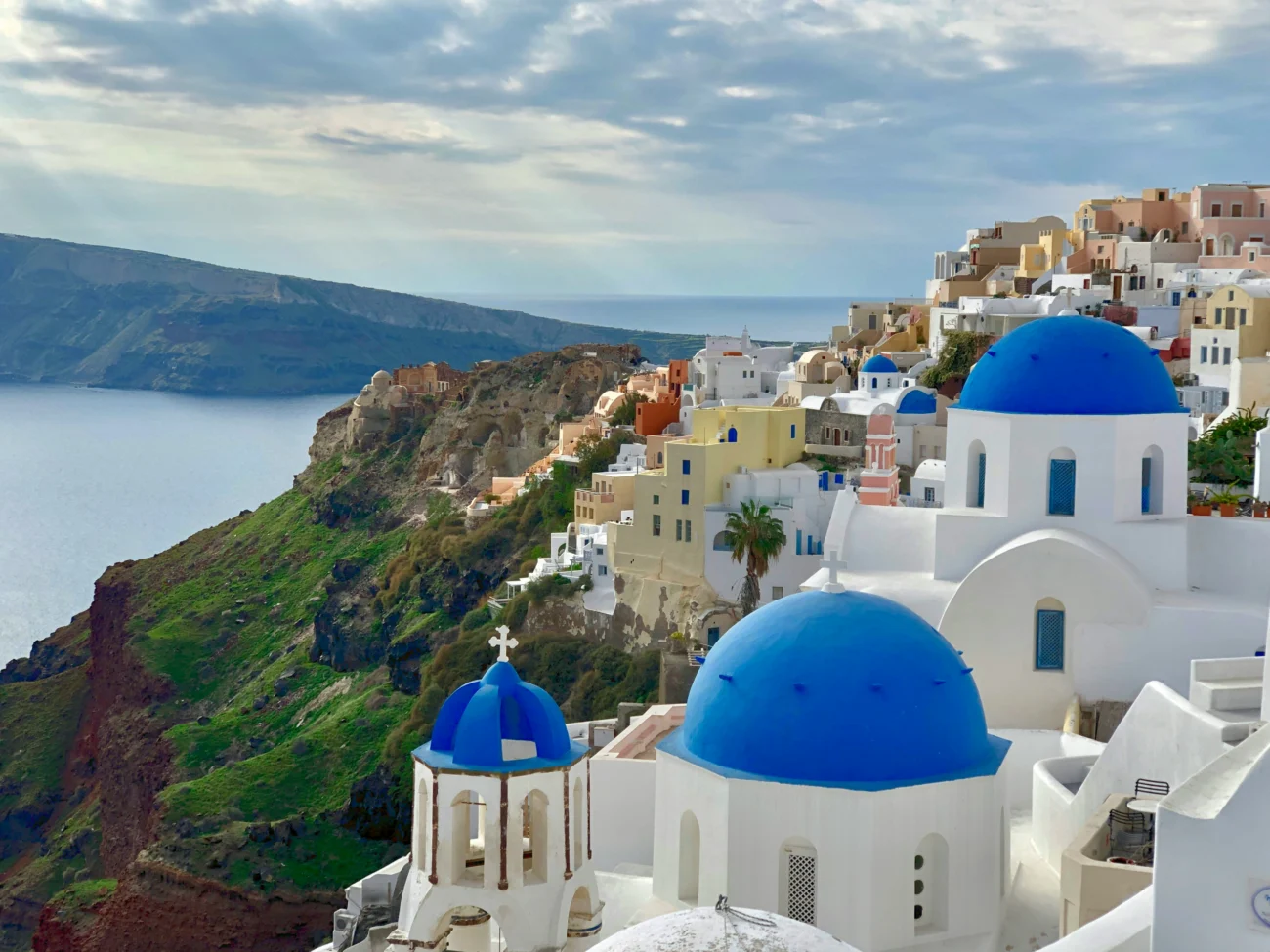
Sifnos punches far above its weight in almost every category that matters. It is one of the smallest inhabited islands in the Cyclades, measuring barely nine miles from north to south, with a population of fewer than three thousand people. Yet it is simultaneously one of the most celebrated culinary destinations in Greece, a place where food is not merely eaten but understood, honoured and shared with a depth and seriousness that puts many far larger cities to shame.
The island’s culinary reputation rests on a foundation built by one extraordinary figure. Nikolaos Tselementes was born on Sifnos in 1878, trained in Vienna and New York, and published a cookbook in the 1930s that became so foundational to Greek cooking that the word Tselementes became synonymous with cookbook across the entire country. Almost every household in Greece owns a copy. His influence launched Sifnos into the Greek gastronomic imagination, and the island has never left it. Today Sifnos is part of the South Aegean Region of Gastronomy, which was recognised in 2019 as one of the Regions of Gastronomy by the International Institute of Gastronomy. The island’s food is built on clay pot cooking, dry farming, communal tradition and an unbroken relationship with its animals and its soil that has been maintained since antiquity.
At the centre of that tradition is cheese. Manoura Sifnou is the island’s signature cheese and one of the most distinctive and most celebrated artisan dairy products in the entire Cyclades. Made from goat and sheep milk in semi-hard baskets of sedge that leave their pattern pressed into the rind, and then aged in wine sediment, known locally as gly, until it develops a dark, spicy, deeply complex character unlike anything produced on any other Greek island, Gylomeni Manoura is a cheese that belongs entirely and exclusively to Sifnos. In 2024, the cheesemaking tradition of the Cyclades was inscribed on the National Inventory of Intangible Cultural Heritage of Greece, and Sifnos carries that inscription with the confidence of an island that has never needed to be told its food is worth preserving. These are the five best cheese experiences waiting for you.
Table of Contents
1. Anthi’s Farm, Apollonia
Overall Information
Anthi’s Farm is the most accessible, most warmly personal and most completely designed cheese experience on Sifnos, combining a visit to a working family farm with hands-on goat milking, a guided introduction to the production of traditional Sifnian cheese and a full traditional dinner that puts every cheese you have just encountered into the context of a genuinely authentic island meal. The farm is located near Apollonia, the island’s capital, and welcomes visitors by appointment throughout the season. The experience lasts between two and three hours and is designed for all ages, including families with young children, making it one of the most universally accessible food education experiences available in the Cyclades. You feed the farm’s goats, rabbits, chickens and ducks, milk a goat by hand under the farmer’s guidance, watch and participate in the making of traditional Sifnian cheese including Manoura, and then sit down to a dinner built from ingredients gathered directly from the farm. The farm also offers morning breakfast sessions from 8am to 10am by appointment, where guests are served eggs, fresh milk, yogurt, Manoura cheese and homemade marmalade from the farm’s own production. This is one of those rare places where the cheese you eat is made from the milk of the animals you met an hour earlier, and that directness makes every bite taste entirely and memorably different.
Location and How to Get There
Anthi’s Farm is located near Tou Mouggou, Apollonia, Sifnos, 840 03, Greece. The farm is reachable by hire car or scooter from Apollonia, or by taxi with a short drive. Visitors with their own hire car can meet directly at the farm by checking the location map on the farm website at anthisifnos.gr. The farm operates morning sessions from 9am to 11am and evening sessions from 7pm to 10pm throughout the week by appointment. Goat milking is not available to children under eight years old or to visitors with long nails, for the animals’ welfare. Bookings are accepted by appointment only and can be arranged by contacting the farm directly through the website. The Sifnos Goat Milking and Cheese Making Experience listed on Tripadvisor and available through theabroadguide.com costs from approximately 172 US dollars per person for the three-hour session. Group rates and family packages are available on request.
Services and Experiences
The Anthi’s Farm experience is structured around the rhythm of the working farm day, which means the animals are the starting point and everything else follows naturally from them. The goat milking session is conducted with genuine care for both the visitor’s experience and the animals’ welfare, and the farmer’s explanations of how the milk is gathered, tested and used give participants an immediate understanding of why the quality of the starting material matters so completely to the quality of the finished cheese. The cheesemaking demonstration that follows covers the basic production of traditional Sifnian cheese, explaining the specific properties of the island’s goat and sheep milk and the traditional techniques used to transform it into Chloromanoura, the fresh white version, and to begin the ageing process that eventually produces Gylomeni Manoura. The dinner that completes the experience is entirely composed of traditional Sifnian dishes made from farm ingredients: revithokeftedes, caper salad, fresh Manoura, local honey and thyme, seasonal vegetables from the farm garden and the island’s own sun-dried wine. This is the Sifnos food experience in its most direct, most generous and most human form.
2. Tsikali Restaurant and Cheese Dairy, Vathi and Artemonas
Overall Information
Tsikali is the most extraordinary and most deeply integrated farm-to-table cheese experience on Sifnos, a restaurant in the spectacularly beautiful bay of Vathi that is directly connected to a working cheese dairy in Artemonas and to a farm that supplies every significant ingredient on the menu entirely from its own animals and land. The story begins with Mr Nikos, whose father started the farm to meet his family’s needs generations ago, never imagining what it would become. Nikos learned traditional cheesemaking from his father, and when he saw the demand from restaurant customers for genuinely local, handmade cheese, he made the decision to invest seriously. In 2015, the Tsikali cheese dairy was established in Artemonas, and it has since been taken over by Nikos’s son George, who learned the art from his father and now supplies the restaurant exclusively with cheeses produced in small quantities using entirely traditional techniques from the farm’s own sheep and goat milk. The cheeses, Xsinotiri, Manoura, Tirovoli and Krasotiri, are of a quality that has made the Tsikali name known well beyond the island, with businesses in Athens and Thessaloniki now sourcing directly from the dairy. National Geographic has called Sifnos Greece’s gourmet island, and Tsikali is the single experience on the island that most completely justifies that description.
Location and How to Get There
Tsikali Restaurant is located at Vathi Bay, Sifnos, 840 03, Greece. The full address and contact details are available at tsikali.com. Vathi is on the south-eastern coast of Sifnos, approximately twenty minutes by hire car from Apollonia through the island’s beautiful interior, or reachable by taxi. The bay of Vathi is one of the most beautiful and most sheltered bays in the Cyclades, and the restaurant’s position directly above the water makes the setting as remarkable as the food. The cheese dairy is located in Artemonas, on the northern part of the island, and visits to the dairy can be arranged by contacting the restaurant directly. Reservations at the restaurant are essential throughout the summer season, particularly from July to September when Vathi fills with boats and the tables overlooking the bay become one of the most sought-after dining positions in the Cyclades.
Services and Experiences
A meal at Tsikali is a complete education in Sifnian cheese culture served in one of the most beautiful settings in the Greek islands. The cheese meze that begins the meal covers all four varieties produced at the Artemonas dairy. The Tirovoli is the fresh, milky starting point, soft and gentle and entirely approachable. The Xsinotiri, the island’s own version of Xinomyzithra, is tangier and more refreshing, wonderful with a drizzle of the island’s thyme honey and a handful of local capers. The Krasotiri, aged in wine, carries a subtle fruitiness and an earthiness that makes it the most complex of the fresh and semi-aged varieties. And the Gylomeni Manoura, aged in wine sediment until its exterior is dark and its interior is dense, spicy and fiercely characterful, is the cheese that most clearly explains why Sifnos has always been taken seriously as a food destination. Eaten here, at a table above the water of Vathi Bay, with a glass of local wine and the sound of the sea below, it is one of those cheese experiences that defines a place entirely. The mastelo, the island’s iconic clay pot lamb or goat cooked in red wine and dill, is the essential main course, and the melopita, the traditional Sifnian honey and cheese pie made with local mizithra and thyme honey, is the finest way to end a meal that began with cheese and ends with it in its sweetest possible form.
3. Private Agricultural Farm Experience, Sifnos Countryside
Overall Information
The Private Agricultural Farm Experience is the most deliberately focused and most educationally serious cheese experience available on Sifnos, a guided private visit to a working farm in the island’s countryside that takes visitors directly into the evening routine of a traditional Sifnian farming family and shows them how Gylomeni Manoura, the island’s most celebrated and most secretive cheese, is actually made. The experience is operated by Thesaurus Travel, bookable at greecetravel.com, and runs from 7pm for approximately two and a half hours. It is private, meaning you and your group have the farmer entirely to yourselves, and it is designed to give a genuine and unvarnished encounter with the reality of traditional cheesemaking on a small Greek island rather than a polished visitor attraction experience. The farmer speaks adequate English for the agricultural context and meets participants at the farm rather than escorting them, which means transport to and from the farm is arranged separately with the booking service. Local delicacies and a glass of wine are served at the farm after the visit.
Location and How to Get There
The Private Agricultural Farm Experience takes place at a working farm in the Sifnos countryside, with the specific location confirmed upon booking through Thesaurus Travel at greecetravel.com. The contact email is [email protected]. The experience runs from May to September, every day of the week, starting at 7pm and lasting approximately two and a half hours. The price is on request for groups of two to four people and is structured as a private experience rather than a shared group tour. Private transfers from and to the hotel are included in the price. Advance booking is required and is strongly recommended as the private format means availability is limited to one group per session.
Services and Experiences
This is the experience for visitors who want to understand Gylomeni Manoura from the inside and who are prepared to engage with that understanding at the level of a working farm rather than a visitor attraction. The farmer introduces the animals, explains the milking process and the specific qualities of Sifnian goat and sheep milk, and then moves to the cheesemaking demonstration, covering the production of the fresh Chloromanoura and explaining in detail the ageing process that transforms it into Gylomeni Manoura through immersion in the gly, the wine sediment that gives the cheese its dark exterior, its spicy depth and the specific fermentation character that is the island’s most closely guarded culinary secret. The tasting that follows puts the cheese in context alongside other traditional Sifnian products including local honey, capers, village bread and a glass of the island’s own sun-dried wine. The combination of practical education, genuine encounter with a working agricultural tradition and the extraordinary setting of the Sifnos countryside at dusk makes this one of the most valuable and most memorable food experiences available anywhere in the Cyclades.
4. Narlis Farm Cooking Classes, Artemonas
Overall Information
The Narlis Farm cooking classes are the most celebrated and most sought-after food education experience on Sifnos, and one of the most widely praised cooking class experiences in the entire Cyclades. George Narlis grew up on his grandfather’s farm in the 1950s, and the cooking classes he now offers to both locals and visitors are rooted in that inheritance of tradition, simplicity and absolute respect for the quality of the ingredient. National Geographic described the Narlis Farm as the beginning of a weekly ritual that captures the essence of Sifnian food culture, where revithada is prepared in traditional clay skepastaria, Manoura is served alongside split pea paste and golden chickpea fritters, and the communal spirit of a food culture built on sharing and generosity is as present as the food itself. George’s philosophy is direct and entirely compelling: with excellent produce, he says, it is hard to create bad food. The Sifnos landscape, dry-farmed from seeds that need minimal intervention, concentrates flavour to a degree that a modern chef with every technique at their disposal would struggle to improve upon. The cooking classes put that philosophy into practice with genuine warmth and extraordinary depth.
Location and How to Get There
Narlis Farm is located near Artemonas, Sifnos, 840 03, Greece. Artemonas is one of the most beautiful villages on the island, approximately two kilometres north of Apollonia, reachable by hire car, scooter or a pleasant walk through the Sifnian landscape. Contact the farm directly through local accommodation hosts or through the island’s tourism network for current booking details, session times and pricing, as the classes operate on a seasonal schedule that varies year to year. Sessions are available for both small groups and individual visitors and are conducted in an atmosphere of genuine hospitality that makes even complete beginners feel immediately at home in the kitchen. Advance booking is essential throughout the summer months.
Services and Experiences
The Narlis Farm cooking class experience is structured around the traditional Sifnian Sunday table, which means the dishes taught are revithada in its proper clay pot form, revithokeftedes with fresh herbs, caper salad, mastelo with red wine and dill when the season allows, and the traditional sweet close of melopita made with fresh Myzithra cheese and local thyme honey. The cheese component of the class goes far beyond the melopita: George explains the full role of Manoura in Sifnian cooking, how it is served fresh as Chloromanoura on the village table, how it is used to add depth to cooked dishes and how the aged Gylomeni Manoura functions as both a table cheese and a cooking ingredient in the island’s most traditional recipes. The class ends at the table, where everything made during the session is eaten together with local wine, local honey and the extraordinary sense of having genuinely understood, for an hour or two, how a small island in the Aegean has fed itself and its guests with such quiet and persistent excellence for so many generations.
5. Sifnos Food Walk and Manoura Tasting, Apollonia and Villages
Overall Information
The most accessible and most immediately enjoyable cheese experience on Sifnos requires nothing more than a pair of comfortable shoes, a genuine appetite and a willingness to follow your nose through the island’s extraordinary network of traditional villages connected by kalderimia, the ancient cobbled paths that have been the arteries of Sifnian life for centuries. The villages of Apollonia, Artemonas, Exambela, Kato Petali and Kastro are all connected by these paths and all contain traditional bakeries, small food shops, tavernas and households where local Manoura, thyme honey, capers and fresh village bread are available to buy directly and eat on the spot. The Loumidis family farm in Vlachi, mentioned consistently by local food writers and visitors alike, is one of the most authentic no-pesticide, no-irrigation working farms on the island, where the animals graze freely and the cheese produced from their milk carries the specific character of a landscape farmed entirely without compromise. Giannis Apostolidis, the third-generation potter in Kres whose ceramics workshop sits on a hill outside the village, regularly sets out a spread of Manoura alongside fresh cherry tomatoes and apricots from his own tree for visitors who stop to look at his work. This is Sifnos food culture at its most unmediated and most genuine.
Location and How to Get There
The food walk covers the central villages of Sifnos, all reachable on foot from Apollonia along the island’s ancient cobbled path network. Apollonia itself is accessible from the port of Kamares by the regular bus service that meets every ferry, or by taxi in approximately ten minutes. A detailed map of the Sifnian kalderimia path network is available from the island’s tourist office in Apollonia and from most accommodation hosts. The Loumidis family farm is located at Vlachi, on the western side of the island, reachable by hire car or scooter from Apollonia in approximately fifteen minutes. Contact local accommodation hosts for current opening days and visiting hours as the farm operates on its own agricultural schedule rather than a tourist timetable. The food walk between villages requires comfortable walking shoes and takes between two and four hours depending on pace and the number of stops made along the way.
Services and Experiences
Walking the kalderimia between Apollonia and Artemonas and then on to Kastro with a piece of Gylomeni Manoura, a handful of island capers and a small jar of Sifnian thyme honey in your bag is the simplest and most directly pleasurable cheese experience the island offers. The cheese is available from small food shops in Apollonia and Artemonas, from the baker’s shop in Exambela and directly from family producers who sell from their homes throughout the season. The combination of the aged Manoura’s fierce, wine-dark spice and the honey’s extraordinary floral intensity, tasted together on a piece of village bread while sitting on the steps of a whitewashed church looking out across the Aegean, is the kind of food experience that requires no booking, no guide and no explanation. It simply requires the willingness to walk, to explore and to let the island feed you the way it has always fed its own people. The traditional bakeries of Apollonia are also essential stops, offering melopita made fresh daily with local Myzithra and thyme honey, alongside the island’s anise-flavoured cookies, pasteli made with local honey and sesame, and the extraordinary sweet loli, a spiced pumpkin pie that is one of the most distinctive and most purely Sifnian things you will eat anywhere on the island.
The Cheeses of Sifnos: A Quick Guide
Sifnos produces a small but entirely distinctive range of cheeses from its goats and sheep, almost all consumed on the island and rarely found anywhere else. Here is what to look for.
- Gylomeni Manoura is the island’s defining cheese and one of the most extraordinary artisan dairy products in the Greek islands. Made from goat and sheep milk, shaped in sedge baskets that leave their pattern pressed into the rind, then aged in gly, the wine sediment from local red wine production, until its exterior is dark and its character fiercely spicy and complex. The fermentation and ageing process is one of the most closely guarded secrets in Cycladic cheesemaking, known only to the families who have been making it for generations. Eaten on its own with a drizzle of thyme honey, it is one of the great cheese experiences of the Mediterranean.
- Chloromanoura is the fresh, unadulterated version of Manoura before the ageing process begins. White, semi-hard, mild and clean, it is the everyday cheese of the Sifnian table, appearing in salads, on bread with honey and as an accompaniment to almost every traditional meze. It is sometimes also called white Manoura to distinguish it from the aged version.
- Xinomyzithra is a soft, tangy, creamy white cheese made from goat milk, refreshing and lightly sour, ideal in the village salad in place of feta and wonderful with capers, tomatoes and olive oil. It appears on almost every traditional Sifnian menu under both this name and the local variant spelling Xsinotiri.
- Tirovoli is the fresh, soft, milky white cheese that is the first product of the cheesemaking process, gentle and approachable and entirely delicious with a spoonful of local honey and a piece of the island’s own rusks.
- Krasotiri is aged in wine or grape pomace, taking on a subtle fruitiness and an earthy depth that makes it a natural companion to a glass of Sifnian red and a particularly good choice as a middle point between the freshness of Chloromanoura and the intensity of Gylomeni Manoura in any tasting progression.
- Myzithra is the soft, fresh whey cheese that forms the essential ingredient in Sifnos’s most celebrated sweet, the melopita honey and cheese pie. At its best it is made from local goat and sheep milk, with a gentle sweetness and a creamy texture that makes the melopita one of the finest desserts in the Cyclades.
Tips for Cheese Lovers Visiting Sifnos
- Book Anthi’s Farm before you arrive on the island. The evening session with goat milking, cheesemaking and traditional dinner is the most complete single cheese experience available on Sifnos and places fill quickly throughout the summer. Book through anthisifnos.gr or theabroadguide.com.
- Reserve at Tsikali in Vathi as early as possible. This is the finest restaurant on the island and the only place where you can taste the full range of cheeses from the Artemonas dairy in the context of a complete traditional Sifnian meal above the most beautiful bay on the island.
- Look for Gylomeni Manoura in the village shops of Apollonia and Artemonas every morning. Fresh batches arrive regularly from local producers and sell quickly. Buy a piece, find a sunny step and eat it with local honey and a handful of capers. This is the Sifnos cheese experience in its purest and most immediate form.
- Try the melopita at every traditional bakery you pass. This honey and mizithra cheese pie, made fresh daily from local ingredients, is the island’s greatest sweet and the most direct expression of Sifnian dairy culture in dessert form.
- Walk the kalderimia. The ancient cobbled paths between the island’s villages are the best way to discover the small producers, farm shops and family operations that sell Manoura, honey, capers and local wine directly to visitors who make the effort to find them.
- Ask your accommodation host about the Narlis Farm cooking classes. These are not widely publicised in the conventional tourist sense and are best discovered through local recommendation, which is always the most reliable guide on an island this small and this personally connected.
- The best time to visit Sifnos for the full cheese experience is between May and October, with early summer offering the finest and most plentiful fresh Chloromanoura and the autumn bringing the most deeply aged and most intensely flavoured Gylomeni Manoura of the year.
Sifnos does not need to market itself as a food destination. Tselementes did that work ninety years ago, and the island has simply continued, as it always has, to cook its revithada in clay pots overnight, to age its Manoura in wine sediment until it is ready, to drizzle its thyme honey over everything and to feed its visitors with the same directness and the same pride it has brought to every meal since before anyone thought to write it down. Come hungry. Leave knowing exactly why this small, quiet, extraordinary island has always been taken more seriously at the table than islands ten times its size.