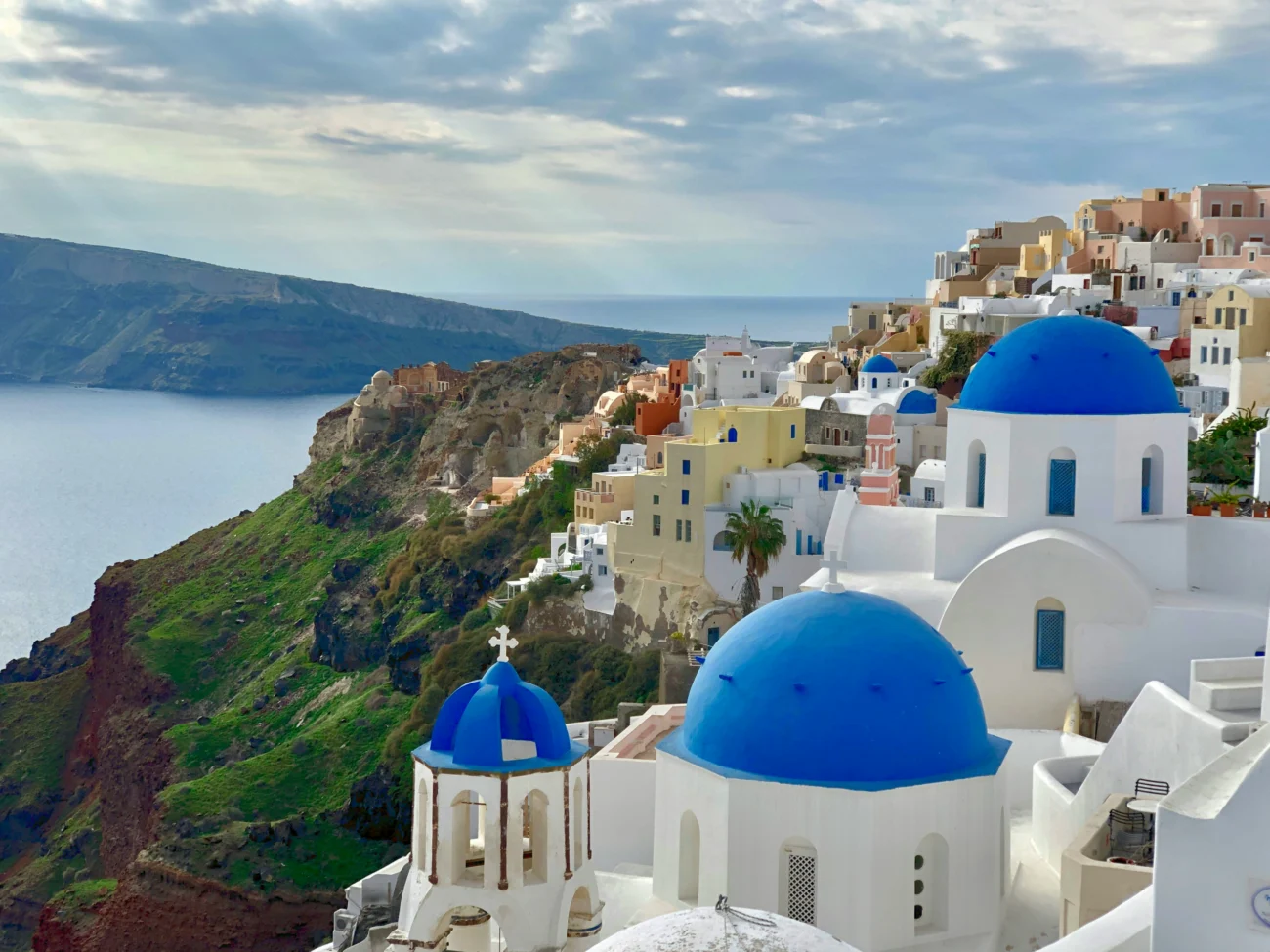
Sifnos is not famous for a volcano, and reliable sources describe its geology as a mix of granite, clayey sandstone, slate, and limestone rather than a volcanic island core. That means there is no major live volcano to visit on Sifnos, and no volcanic crater attraction like you would find on some other Greek islands. For your travel page, the strongest angle is to say that Sifnos has no confirmed active volcano, but it does have dramatic rock formations and strong natural scenery that make the island visually striking. This keeps the content factual while still giving visitors a useful reason to explore the island.
Location
Sifnos is in the southwestern Cyclades in the Aegean Sea, between Serifos, Kimolos, and Paros. The island lies about 75.6 nautical miles from Piraeus and is known for its mountain ridges, villages, beaches, and walking trails. If you are writing for travel readers, this is a good place to explain that the island’s appeal comes from its landscape, not volcano tourism. You can also mention that Sifnos is easy to combine with nearby Cyclades islands on a ferry route.
How to Get There
The main way to reach Sifnos is by ferry, usually from Piraeus, since the island does not have an airport. Travellers usually arrive by sea and then use local buses, taxis, or walking routes to move around the island. For a volcano themed page, it is best to explain that visitors cannot travel to a volcano site on Sifnos because the island does not have one. Instead, they can explore Apollonia, Kastro, Kamares, and the island’s scenic trails.
Safety and Things to Carry
Since there is no active volcano to visit on Sifnos, there are no special volcanic safety rules such as gas warnings or crater zone restrictions. Still, visitors should carry good walking shoes, water, sun protection, and a light layer for windy ferry or hilltop areas. The island is known for hiking and outdoor sightseeing, so comfort matters more than specialised gear. If you want this section to sound practical, you can mention that the main risks are heat, strong sun, and steep paths rather than volcanic activity.