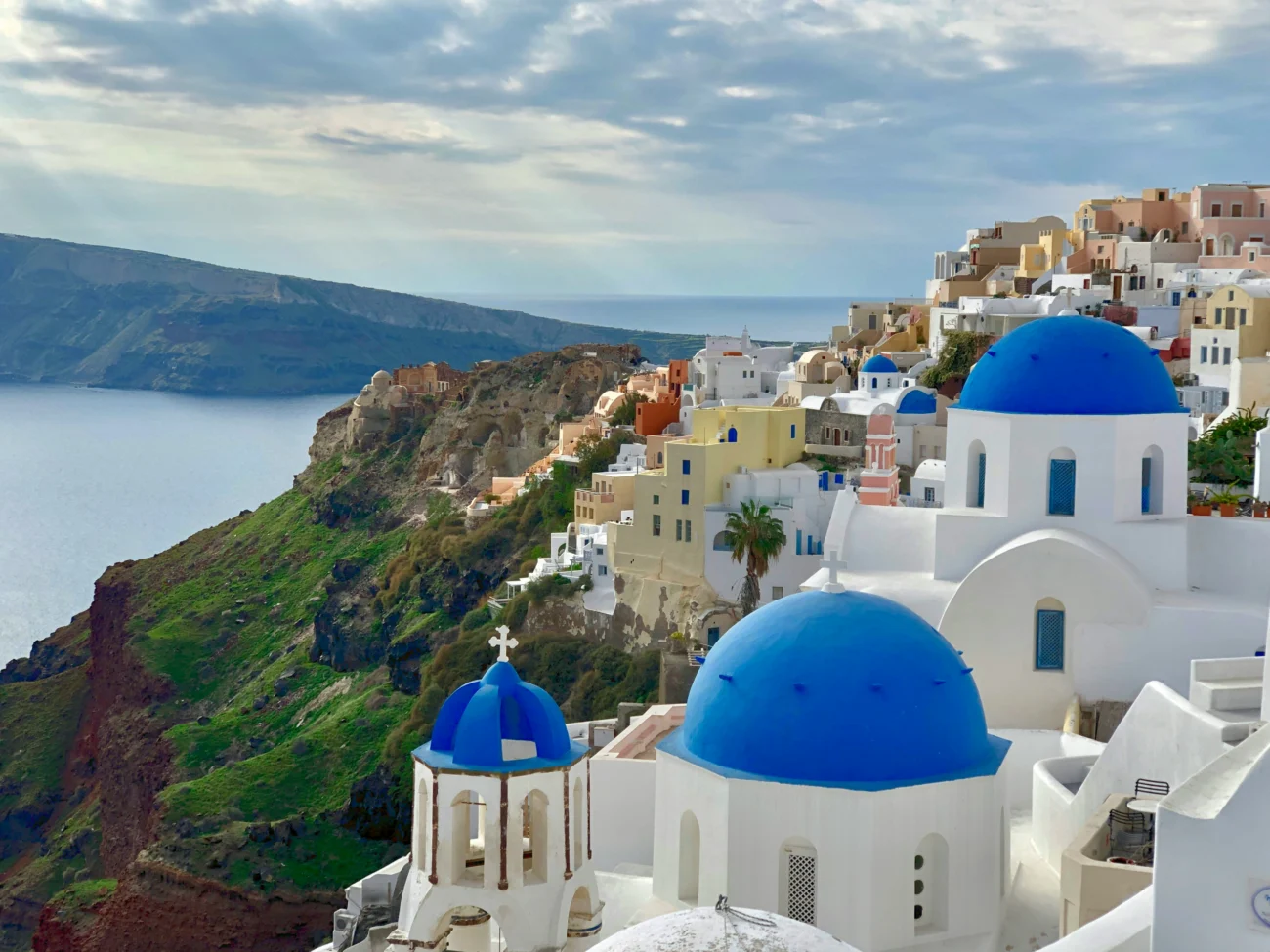
Andros does not have a classic volcano you can climb, but the island’s rocks, mines and mountains come from very old volcanic and tectonic activity under the Aegean Sea, which you can still see in the landscape today.
A Volcano information
Andros sits in the northern Cyclades and is part of a wide geological belt where ancient volcanoes and the movement of the Earth’s crust shaped the seabed and later the islands themselves. Although there is no single volcanic cone or crater like Santorini or Nisyros, the island belongs to the Cycladic Blueschist Unit, a mix of older rocks and former volcanic sediments that were buried and altered under high pressure and low temperature. Research on the island’s manganese rich and iron rich ores shows that they formed in a deep marine setting connected to underwater volcanic and hydrothermal vents, so when you walk on Andros you are really walking on remnants of this hidden volcanic world. You can see this story in the steep mountain slopes, folded rock layers, old mines and sea cliffs, especially in places like the Petalon range and around the ancient city of Paleopolis, where unusual rocks and minerals appear along paths and beaches.
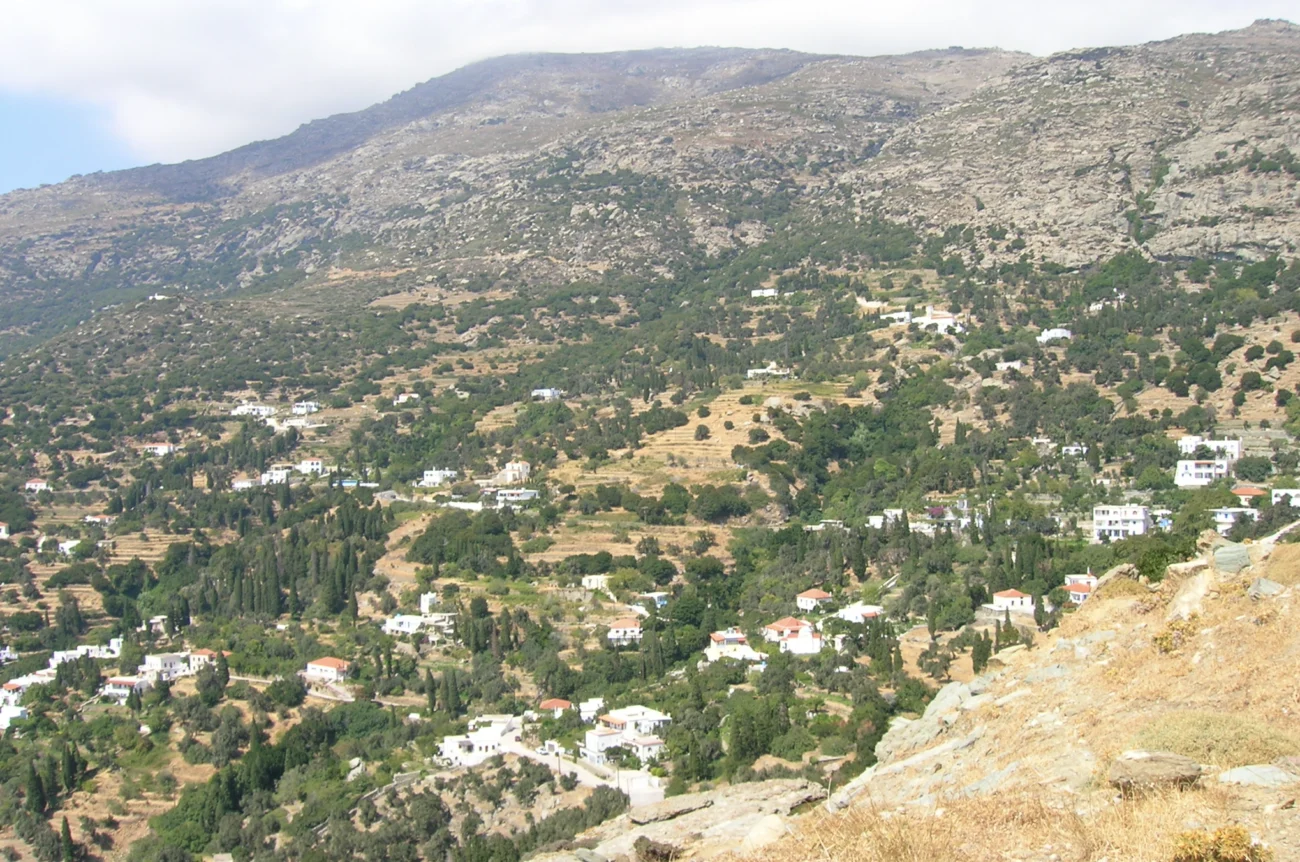
B Location
Andros is the northernmost of the main Cycladic islands, lying between Evia and Tinos in the central Aegean Sea. Most visitors base themselves around the port town of Gavrio, the elegant main town of Chora on the east coast, or in central mountain villages that sit below the high ridge where much of the island’s dramatic geology is exposed. The most interesting places to sense Andros’s volcanic and tectonic past are spread across the island, including the mountainous interior, the Paleopolis archaeological area on the west coast, and stretches of wild shoreline where cliffs and rock faces drop straight into the sea.
C How to get there
To explore Andros and its ancient volcanic landscape, you first travel by ferry from the port of Rafina near Athens, with crossings to Gavrio that usually take about two hours depending on the vessel. From Gavrio you can reach Chora and many villages by public bus, taxi or hired car, which gives you more freedom to stop at viewpoints, trailheads and beaches where the rock formations are easy to see. Waymarked hiking routes such as those around Paleopolis and in the central mountains allow you to walk past outcrops, old quarries, streams and terraces, so you experience the green side of the island together with its deeper geological story.
D Safety and things to carry
Exploring Andros’s mountainous and coastal paths is generally safe if you prepare well, but you should remember that some sections can be steep, rocky and remote, with limited shade and few facilities.
Wear sturdy walking shoes with good grip, carry plenty of drinking water, sun protection such as a hat and high factor sun cream, and a light windproof layer in case of sudden weather changes.
A small day pack with basic first aid supplies, snacks, a fully charged mobile phone and an offline map or printed trail description will help you stay comfortable and confident as you walk.
Always check local advice on route conditions, avoid walking alone on very isolated paths, and in summer try to hike early in the morning or later in the afternoon to avoid the strongest heat.