
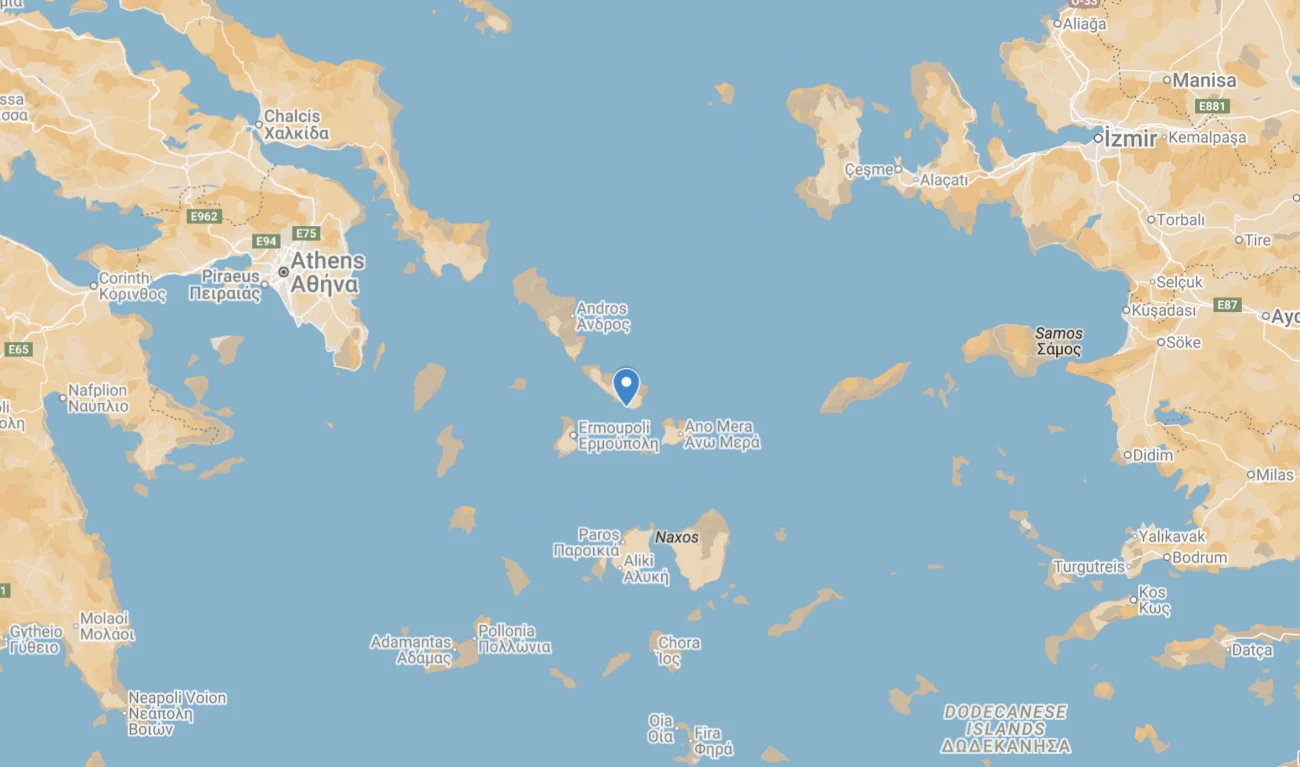
Tinos Greek Island
Tinos Island Greece
Capital City: Tinos Town
Area: 184 Sq. KM
Population: 8934
Average Tourist: 200000 Per Year
Tinos is a captivating island in the Cyclades archipelago that has long been beloved by Greeks for its spiritual significance and artistic traditions. The island covers 194 square kilometers and is home to approximately 8,900 residents living in around 50 active villages scattered across its mountainous terrain. The highest mountain, Tsiknias, reaches 750 meters and provides stunning panoramic views of the surrounding Aegean Sea and neighboring islands.
What makes Tinos truly special is its unique blend of cultural heritage, religious importance, and natural beauty. The island is home to the Church of Panagia Evangelistria, which houses a miraculous icon discovered in 1823 during the Greek Revolution. This sacred site attracts thousands of pilgrims annually, particularly during the August 15 celebration of the Assumption of the Virgin Mary.
Beyond its spiritual significance, Tinos is celebrated throughout Greece for its marble sculpting tradition dating back centuries. The village of Pyrgos showcases this heritage at every turn, with intricate marble carvings adorning churches, fountains, buildings, and streets. The island is also famous for its approximately 1,000 artistic dovecotes and 80 traditional windmills that dot the landscape.
The island maintains a distinctive character with both Greek Orthodox and Catholic populations coexisting peacefully. Tinos has retained its authentic charm and traditions despite growing tourism, making it an ideal destination for those seeking genuine Greek island experiences away from overcrowded beaches. From picturesque mountain villages to beautiful beaches and scenic hiking trails, Tinos offers visitors a perfect combination of culture, spirituality, and natural beauty.
Main Attractions in Tinos
Church of Panagia Evangelistria (also known as Megalohari of Tinos) - The most visited church in Greece and a major pilgrimage site, home to a miraculous icon discovered in 1823.
Pyrgos Village and Marble Museums - Explore the marble capital of the Cyclades featuring the Museum of Marble Crafts, Giannoulis Chalepas Museum, and Tinian Artists Museum.
Dovecotes - Discover the approximately 1,000 artistic dovecotes scattered across the island, with particularly impressive concentrations in Tarambados and surrounding villages.
Mount Exomvourgo - Hike to this 640 meter high mountain to view the ruins of a Venetian stronghold and enjoy breathtaking panoramic views of the entire island.
Kardiani Village - Wander through one of the most beautiful villages in the Cyclades with traditional Cycladic architecture and stunning Aegean views.
Volax Village and Geology - Experience the unique moonscape like granite rock formations surrounding this charming village known for its poetry traditions.
Kolimbithra Beach - Surf at Tinos most famous beach with consistent winds, golden sand, and a vibrant beach bar scene with a hippie atmosphere.
Agios Fokas Beach - Enjoy a long sandy beach just one kilometer from Tinos Town, perfect for swimming and relaxing with both organized and natural sections.
Kechrovouni Monastery - Visit this 11th century convent where Sister Pelagia had her vision of the Virgin Mary revealing the location of the miraculous icon, one of the largest monasteries in Greece.
Historic Windmills - Discover approximately 80 traditional windmills scattered across the island, which remain iconic symbols of Tinos.
Artistic Heritage Trail - Visit galleries, studios, and museums dedicated to famous sculptors and painters such as Nikolaos Gysis, Nikiforos Lytras, and Yannoulis Chalepas.
Hiking Trails - Trek along numerous well marked trails through traditional villages, terraced landscapes, and mountain scenery offering spectacular views of the Aegean.
Main Cities and Towns in Tinos
Tinos Town (Chora)
The capital and main hub of the island, located in the south with a population of around 4,494 inhabitants. It features the famous Church of Panagia Evangelistria on a hill overlooking the town, narrow winding streets with traditional Cycladic architecture, boutique shops, restaurants, and bars. The town serves as the main ferry port and transportation center with bus stations and taxi services.
Pyrgos
Located 25 kilometers north of Tinos Town, this is the largest village on the island and is renowned as the marble capital of the Cyclades. Every building, street, fountain, and church displays intricate marble craftsmanship. The village is home to three excellent museums dedicated to marble art and famous sculptors. Pyrgos offers stunning views and is a must visit for those interested in traditional Greek crafts and artistic heritage.
Kardiani
Arguably one of the most picturesque villages in all of the Cyclades, Kardiani is built on a hillside with white houses featuring traditional blue accents. The village is known for its marble paved alleys, plane trees, fresh mountain streams, and magnificent views of the Aegean Sea. It offers an authentic Cycladic experience with charming narrow streets and a peaceful atmosphere.
Volax
Located in the heart of the island, Volax is famous for its unique geological formations. Massive granite rocks are randomly scattered throughout the landscape, creating a moonscape like appearance. The village has a rich tradition of poetry with verses etched onto walls and wooden doors. It is an ideal place to visit during late afternoon hours when the setting sun creates beautiful colors across the landscape.
Loutra
A mountainous Catholic village known for hosting the historic Ursuline Convent founded in 1862. This charming village offers traditional Greek village atmosphere and serves as a gateway to hiking trails and natural attractions in the islands interior.
Tarambados
A picturesque village renowned for its well preserved dovecotes or pigeon towers, which are a distinctive feature of Tinos. These artistic structures date back to Venetian times and offer a fascinating glimpse into the islands architectural heritage.
Main Ports in Tinos
Tinos Port (New Port) – Located west of Tinos Town, this is the primary ferry port serving most commercial ferries and high speed boats. It is the main arrival point for passengers coming from Piraeus, Rafina, and other Cycladic islands. The port features modern facilities and is well connected to the town center by taxi and public transport.
Tinos Town Port (Old Port) – Situated in the heart of Tinos Town, this historic port is used primarily by the Flyingcat ferry service. It is centrally located making it convenient for visitors to access the town’s shops, restaurants, and the Church of Panagia Evangelistria which is just a short walk away.
Panormos Port – An old commercial port that was once busy with marble shipments during Venetian times. Though no longer the main ferry port, it remains a tranquil coastal location with traditional tavernas and historical significance to the islands maritime heritage.
How to get to Tinos
From Athens by Ferry – The most popular route is from Rafina port, which offers the fastest journey at approximately one hour and forty minutes to two hours. Multiple daily departures operate throughout the year. Alternatively, ferries from Piraeus port take between two and a half to four and a half hours, with usually two daily departures.
From Mykonos – If you are already on Mykonos, the journey to Tinos is quick and convenient. Ferry services operate regularly with journey times ranging from 15 to 35 minutes depending on the vessel type. High speed ferries complete the journey in around 20 minutes.
From Mykonos Airport – Upon arriving at Mykonos Airport, take a taxi or bus to Mykonos Town, which takes about 10 minutes. From the port, ferry services to Tinos operate regularly throughout the day, with the journey taking approximately 20 to 40 minutes.
By Air – There is no airport on Tinos itself. The nearest airport is Mykonos Airport, which offers seasonal direct flights from many European cities. From Mykonos, you can catch a ferry to Tinos in approximately 20 to 40 minutes.
By Helicopter – For those seeking a faster option, a heliport is located near Agios Fokas beach, approximately 2 kilometers from Tinos Town, though this is a more expensive travel option.


Activities in Tinos
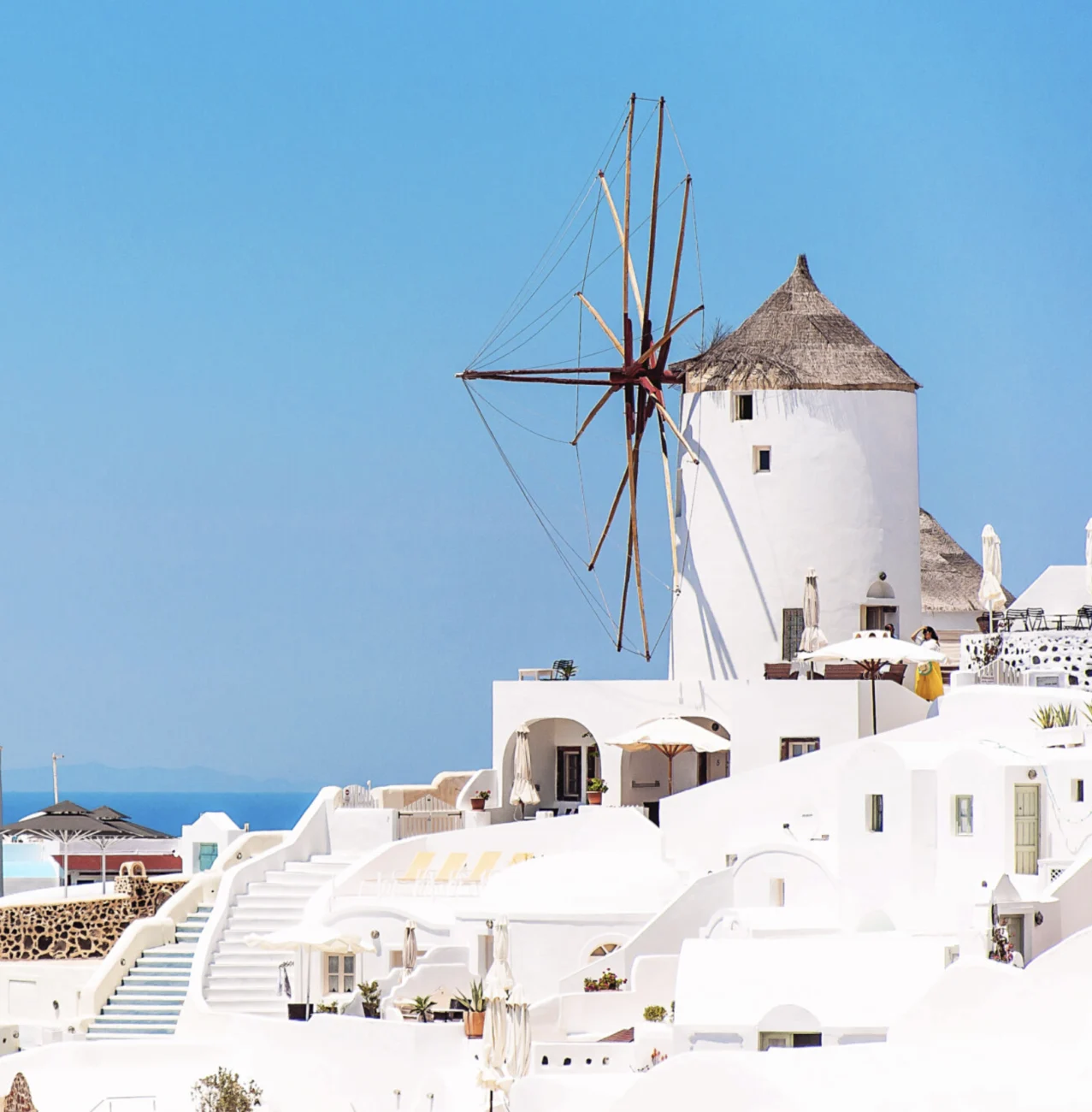
Attractions

Activities
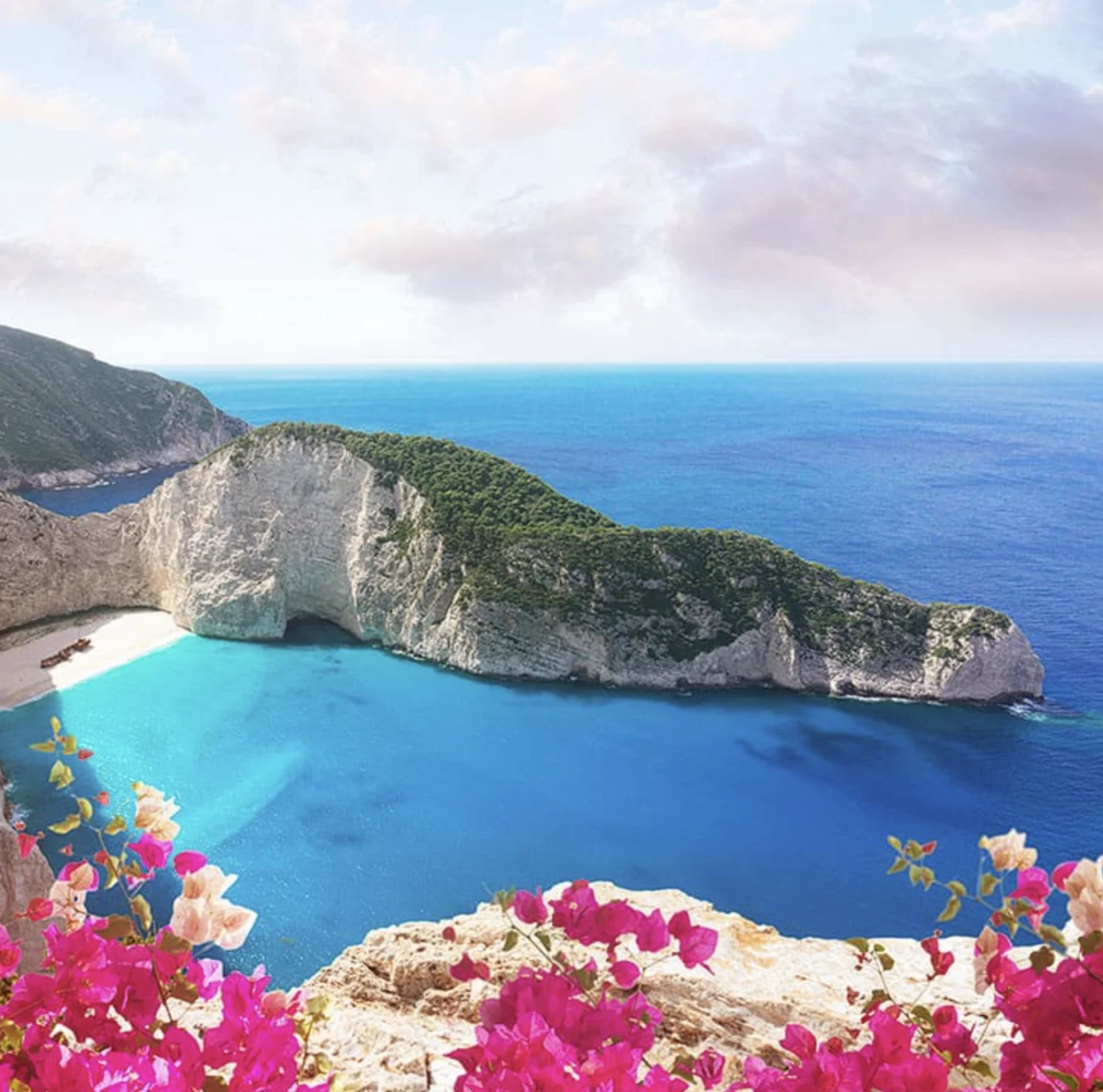
Beaches
Ferry
Frequently asked questions (FAQ) about Tinos
What is the best time to visit Tinos?
Spring (April to May) and autumn (September to October) are the ideal times to visit Tinos. During these seasons, temperatures range comfortably between 15 to 25 degrees Celsius, making it perfect for exploring villages and hiking. Summer months from July to August can be extremely hot, exceeding 30 degrees Celsius, though the famous meltemi wind provides some relief. Winter is mild but brings occasional rainfall and strong winds. If you are interested in the religious pilgrimage, August 15 is the most significant date when thousands of pilgrims visit the island.
Is Tinos a good destination for pilgrims?
Yes, Tinos is one of the most important pilgrimage destinations in Greece, often compared to Lourdes for Catholics. The Church of Panagia Evangelistria attracts pilgrims from around the world seeking spiritual experiences and reportedly miraculous healing. The church is open daily, though August 15 marks the most significant celebration with the grand procession of the miraculous icon through the streets of Tinos Town. Many pilgrims walk the 800 meter path from the ferry to the church on their hands and knees as a sign of devotion.
What is there to do besides visiting the main church?
Tinos offers far more than religious tourism. You can explore artistic traditions by visiting marble workshops and museums in Pyrgos, hike to the Venetian ruins atop Mount Exomvourgo, swim at beautiful beaches like Kolimbithra and Agios Fokas, wander through picturesque villages like Kardiani and Volax, discover the islands 1,000 dovecotes, and enjoy traditional Greek food at local tavernas. The island has numerous hiking trails suitable for all levels, and many villages have small cultural sites and galleries.
Do I need a car to get around Tinos?
While public buses operate from May to September connecting the main towns and beaches, having a car provides much more flexibility for exploring the island. Tinos is relatively large at 194 square kilometers, and many villages and beaches are scattered across the terrain. Car rental services are available, and driving is a popular way to discover hidden villages and scenic areas at your own pace. Alternatively, taxis are available though more expensive for extensive exploration.
Is Tinos crowded with tourists?
Compared to islands like Santorini and Mykonos, Tinos remains relatively uncrowded and maintains its authentic character. The island has experienced a 35 percent increase in tourism over the past five years as visitors seek alternatives to overcrowded destinations. However, Tinos still retains a more local and traditional atmosphere, particularly outside the main August pilgrimage season. Many travelers appreciate Tinos precisely because it offers Greek island experiences without the massive crowds found on more famous islands.