
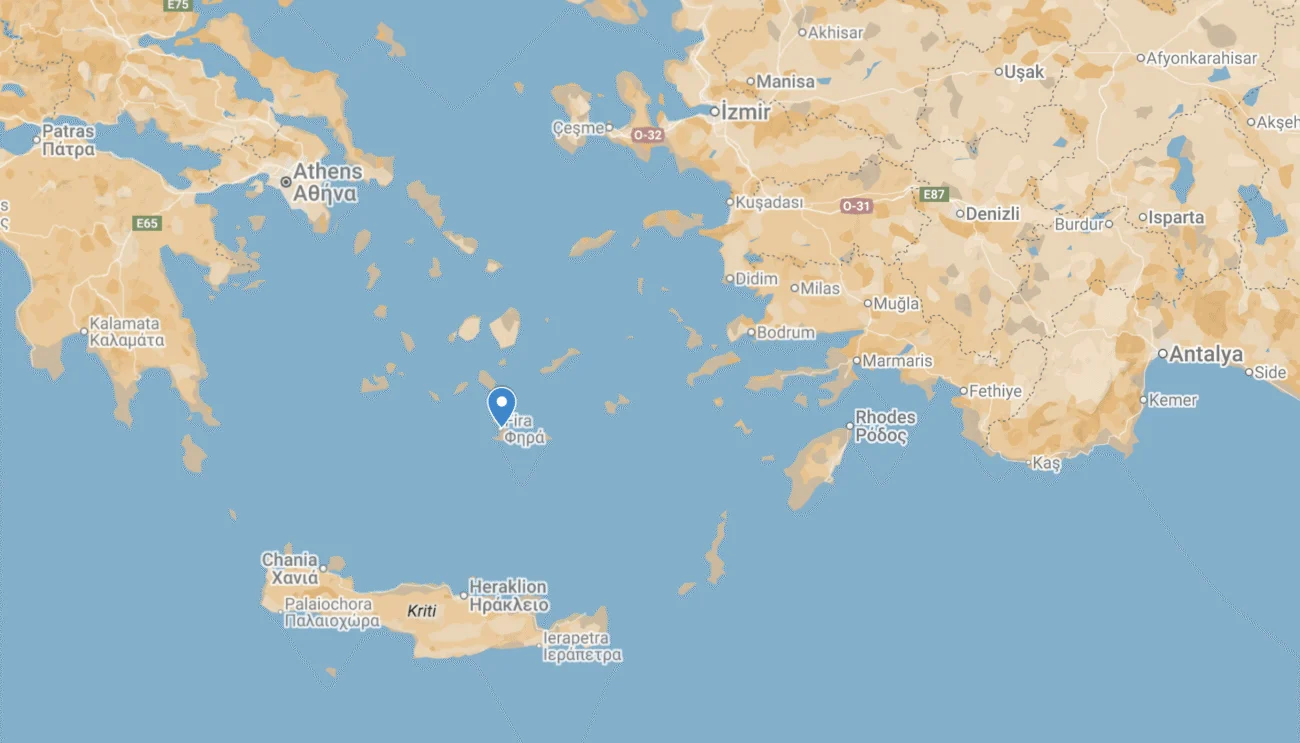
Santorini Greek Island
Santorini Island Greece
Capital City: Fira
Area: 3 Sq. KM
Population: 15480
Average Tourist: 3400000 Per Year
Santorini is a stunning volcanic island located in the southern Aegean Sea, about 200 kilometres southeast of mainland Greece. It forms part of the Cyclades group of islands and is officially known as Thira or Thera. The island was created by one of the largest volcanic eruptions in recorded history around 1600 BC, an event that likely inspired the legend of the lost city of Atlantis. The eruption caused the centre of the island to collapse into the sea, creating the distinctive half moon shape and dramatic caldera that defines Santorini today.
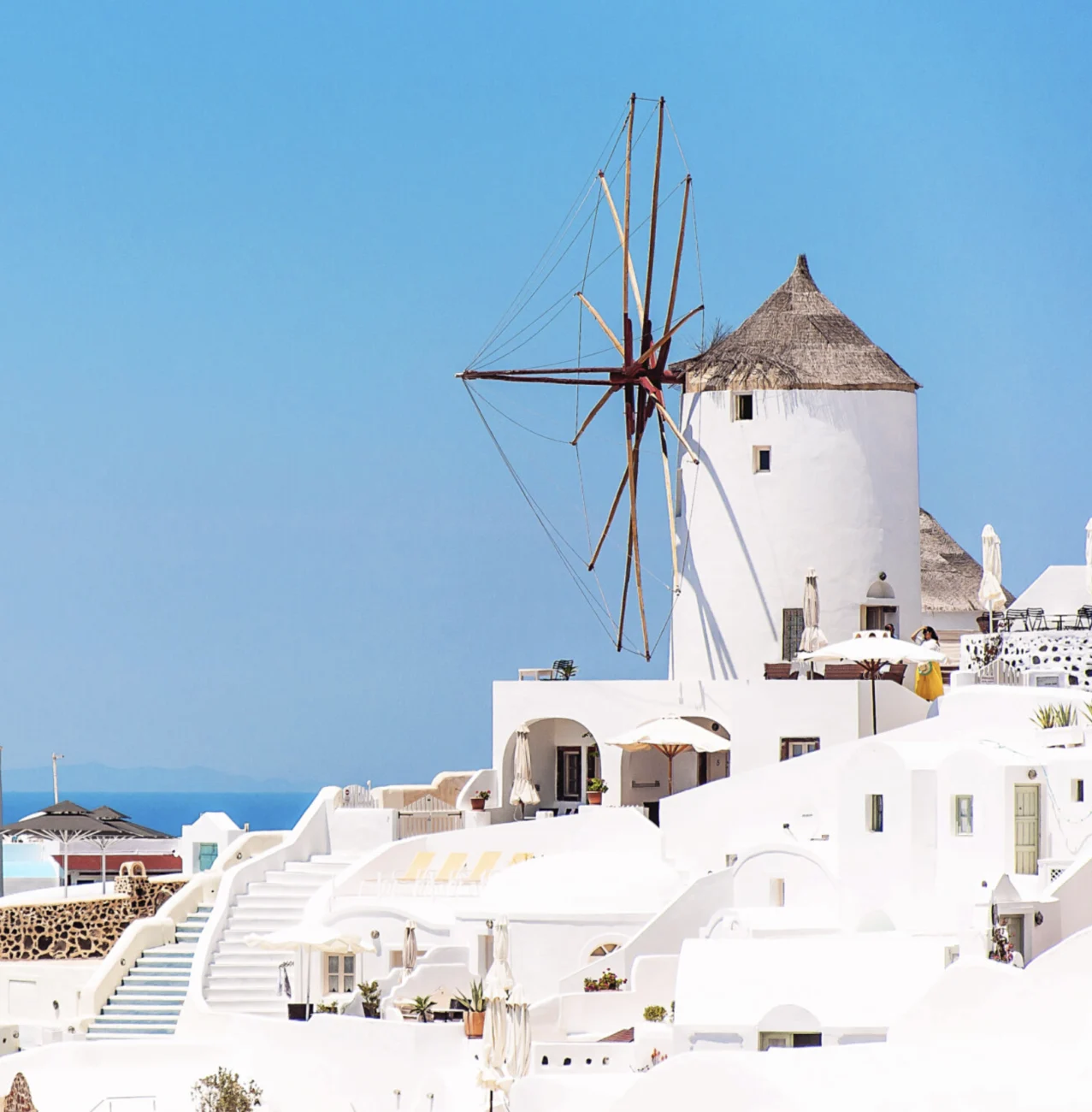
Today, Santorini is famous worldwide for its iconic whitewashed buildings with blue domed roofs, perched dramatically on volcanic cliffs that rise 400 metres above the sparkling azure sea. The island attracts approximately 3.4 million tourists annually, making it one of the world’s most visited destinations. The capital city of Fira bustles with activity, shops, and restaurants, while the picturesque village of Oia to the north is renowned for its breathtaking sunsets and romantic atmosphere.
The island’s landscape tells the story of its volcanic past. Black sand beaches like Perissa showcase the remnants of ancient eruptions, whilst the still active volcano at Nea Kameni sits in the centre of the caldera, offering visitors the chance to hike its crater and swim in natural hot springs. Archaeological excavations at Akrotiri have revealed a sophisticated ancient Minoan settlement preserved beneath volcanic ash for over 3000 years. Beyond its natural and historical wonders, Santorini is celebrated for its excellent local wines, delicious Mediterranean cuisine, and warm hospitality. The island offers the perfect blend of adventure, history, romance, and stunning natural beauty.
Main Attractions in Santorini
Watch the sunset in Oia
Hike the caldera edge walk from Fira to Oia
Explore the ancient ruins of Akrotiri and the Museum of Prehistoric Thera
Climb the active volcano at Nea Kameni
Swim in the natural hot springs
Relax on Santorini's unique black sand beaches at Perissa and Perivolos
Visit the Monastery of Profitis Ilias at the highest point for 360 degree panoramic views
Take a scenic caldera cruise by catamaran
Photograph the iconic blue dome churches including Agios Theodori in Firostefani
Visit Ammoudi Bay for dining and cliff jumping
Main Cities and Towns in Santorini
Fira
The capital and main hub of the island, perched dramatically on the caldera cliffs at 400 metres above sea level. Fira is known for its busy atmosphere, narrow cobblestone streets, whitewashed buildings, shops, restaurants, nightlife, museums, and excellent caldera views.
Oia
Located on the northern tip of Santorini, Oia is the most famous and picturesque village. It is renowned worldwide for its iconic sunsets, luxury hotels, high end shopping, Byzantine castle ruins, and stunning whitewashed houses with blue domes cascading down the cliffs.
Imerovigli
A quieter clifftop village offering stunning caldera views and a more romantic, peaceful atmosphere compared to the busier towns. It sits just above Fira and provides excellent vantage points for sunset viewing.
Firostefani
The name means "The Crown of Fira" and this village sits on a hill just above Fira. It offers caldera views and features the famous Agios Theodori Church with its iconic blue dome.
Pyrgos
The most charming of Santorini's traditional villages, located at the second highest point on the island. It is known for maze like footpaths, panoramic sunset views, excellent restaurants, local boutiques, picturesque churches, and the ruins of a Venetian castle. The surrounding foothills are filled with vineyards.
Emporio
The largest traditional village and historically the centre for commercial activity on the island. The name literally means commerce in Greek. Emporio features a medieval tower, maze like alleyways, traditional tavernas and kafenia (traditional coffeehouses). It is less frequently visited by tourists compared to the clifftop villages.
Megalochori
A picturesque village located in the heart of Santorini's wine country. It is known for its traditional architecture, neoclassical mansions, centuries old churches, and numerous wineries. The village dates back to the 1600s and offers the local vibe and charm of authentic Santorini.
Main Ports in Santorini
Athinios Port – Also known as the “New Port” or “Thira Port”, Athinios is the main hub for all passenger ferry arrivals and departures. Located on the southwest side of the island about 12 kilometres from Fira, this port serves ferries from mainland Greece and other Cycladic islands. It is modern compared to the Old Port and handles high speed boats, conventional ferries, and catamarans from Athens and throughout Greece.
Old Port (Skala/Gialos) – Located below Fira in the caldera, this historic port is now used exclusively for cruise ship tender boats, excursion boats, and some smaller vessels. Visitors arriving by cruise ship disembark here, and access to the town is gained via the famous cable car or a steep donkey path. The Old Port sees around 2 million visitors annually, with 1.5 million cable car boardings recorded.
Ammoudi Port – A small port located just below the village of Oia, accessible by switchback paths. This port is used primarily by tour boats, ferry services to the neighbouring island of Thirassia, and local fishermen.
How to get to Santorini
By Air: Santorini has a small yet efficient international airport (JTR) that operates year round. During the high season from April to October, many European cities offer direct flights to Santorini, including from London, Paris, Amsterdam, Rome, and Frankfurt. Direct flights take just a few hours, making flying the most convenient option for many visitors.
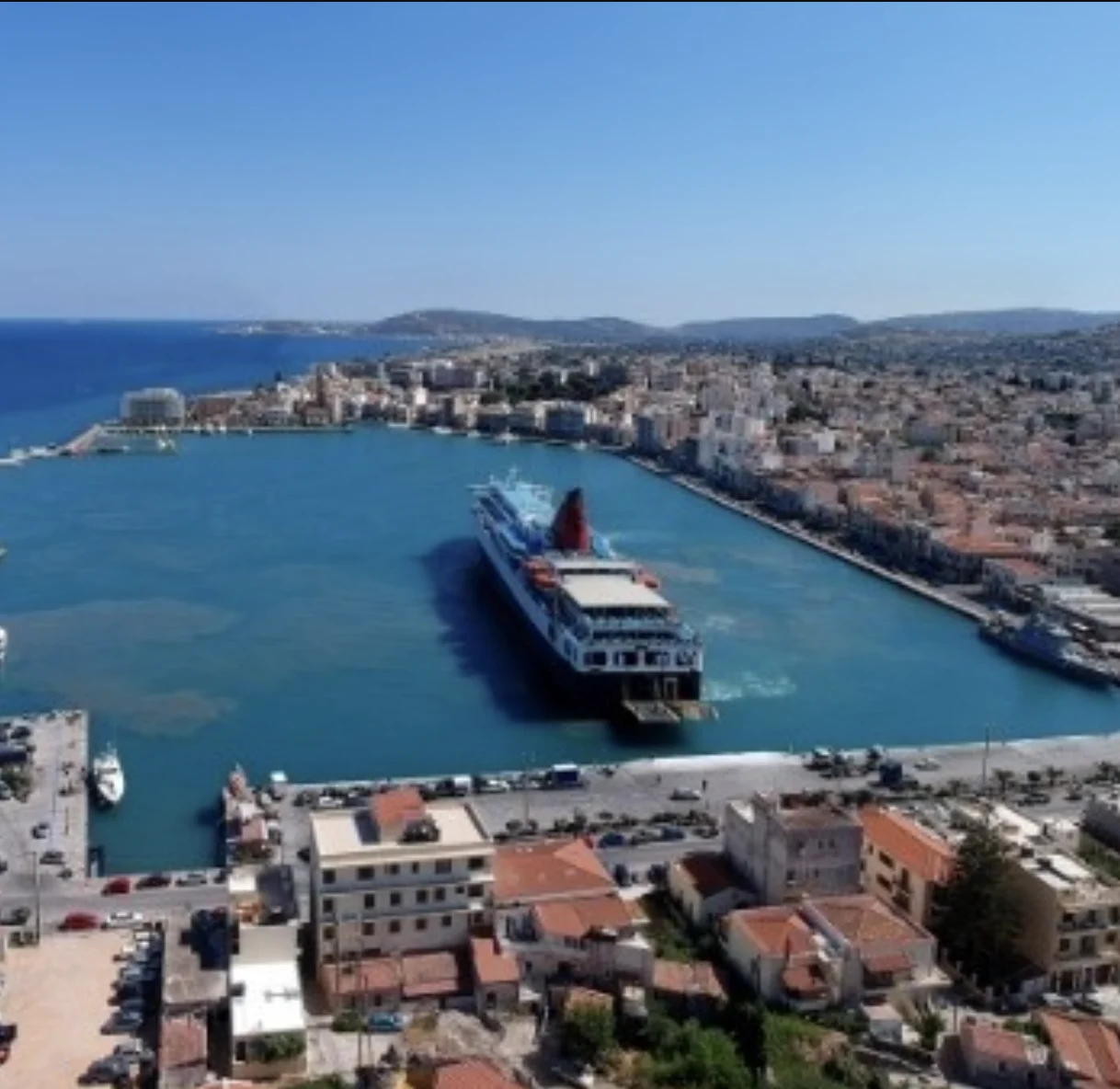
By Ferry from Athens: Ferries depart from two main ports in Athens: Piraeus Port and Rafina Port. There are two main ferry types available. High speed ferries and catamarans complete the journey in approximately 4 to 5 hours, though they cost more. Conventional ferries take about 7 to 8 hours but are more budget friendly and offer a leisurely cruise like experience. The first ferry from Piraeus departs at 07:00 and the last at 19:46.
By Ferry from Other Islands: Santorini is well connected to other Cycladic islands. Ferries run from Mykonos (approximately 2 hours), Paros (2 hours 15 minutes), Naxos (1 hour 50 minutes to 2 hours), Ios (35 to 40 minutes), and Milos (1 hour 50 minutes to 2 hours 30 minutes). Island hopping is a popular way to explore the Cyclades and reach Santorini.


Activities in Santorini
Attractions

Activities
Beaches
Ferry
Frequently asked questions (FAQ) about Santorini
What is the best time to visit Santorini?
The best time to visit Santorini depends on your preferences. The shoulder seasons—April to May and September to October—offer the ideal balance of pleasant weather, manageable crowds, and affordable prices. During these months, temperatures range from 18–26°C (64–79°F), with plenty of sunshine and fewer tourists than summer. If you prefer warm, beach-friendly conditions, May through mid-June and mid-September through mid-October are considered the most pleasant, with consistent sunshine but not excessive heat. Summer (July–August) is Santorini's peak season with the hottest temperatures (25–35°C/77–95°F) and the most crowds, particularly in villages like Oia and Fira. Winter (November–March) sees cooler temperatures and lower prices, but fewer amenities and activities may be open.
Where should I stay in Santorini?
Santorini offers accommodation for every budget and preference. Oia is famous for caldera views and romantic sunsets but is the most touristy and expensive. Fira, the island's capital, offers the best nightlife, restaurants, and shopping, with easy access to transportation. Firostefani and Imerovigli provide caldera views at more reasonable prices than Oia with a quieter atmosphere. For budget travelers seeking beaches and a relaxed vibe, Kamari and Perissa on the southeastern coast offer long black sand beaches, beach bars, and family-friendly environments at significantly lower prices. Pyrgos in the interior is an authentic village with local charm and affordable dining. Accommodation prices in Santorini range from €75 per night for basic 2–3 star hotels to €245+ for luxury 5-star properties.
How much does it cost to visit Santorini?
Budget travelers should plan for approximately €210 per person per day (approximately £155/USD194), including simple accommodation (€75/night), local meals, and free or low-cost activities. Mid-range visitors typically spend €375 per day, with comfortable 4-star hotels (€135/night), quality restaurant meals (€40–80), and paid activities (€50+). Luxury travelers should budget €710 per day for 5-star hotels (€245+/night), fine dining (€80–160 per meal), and premium guided tours (€130+). Food costs vary significantly by location: cheap eats like gyros cost €2.80–4.00, family tavernas €12–20, mid-range restaurants with views €25–40, and fine dining €60+. Santorini's top activities like catamaran cruises (€50–130), wine tours (€165–275), and visits to Akrotiri archaeological site (€20 entry) add to overall costs
Is Santorini safe? Is the volcano active?
Yes, Santorini is safe for tourists. While the Santorini volcano is classified as active, it has been dormant since its last eruption in 1950, and experts confirm there are currently no signs of an imminent eruption. The volcano is one of the most closely monitored in the world, and Greek authorities continuously assess any geological activity. Santorini experiences occasional minor earthquakes due to its volcanic nature, but the island's infrastructure is built to withstand seismic activity with no reported damage to visitor facilities. As of January 2025, Greek authorities have declared Santorini safe for visitors, and all tourism operations continue normally. Minor seismic tremors are a natural part of the volcanic system and do not indicate increased eruption risk.
What are the best beaches in Santorini?
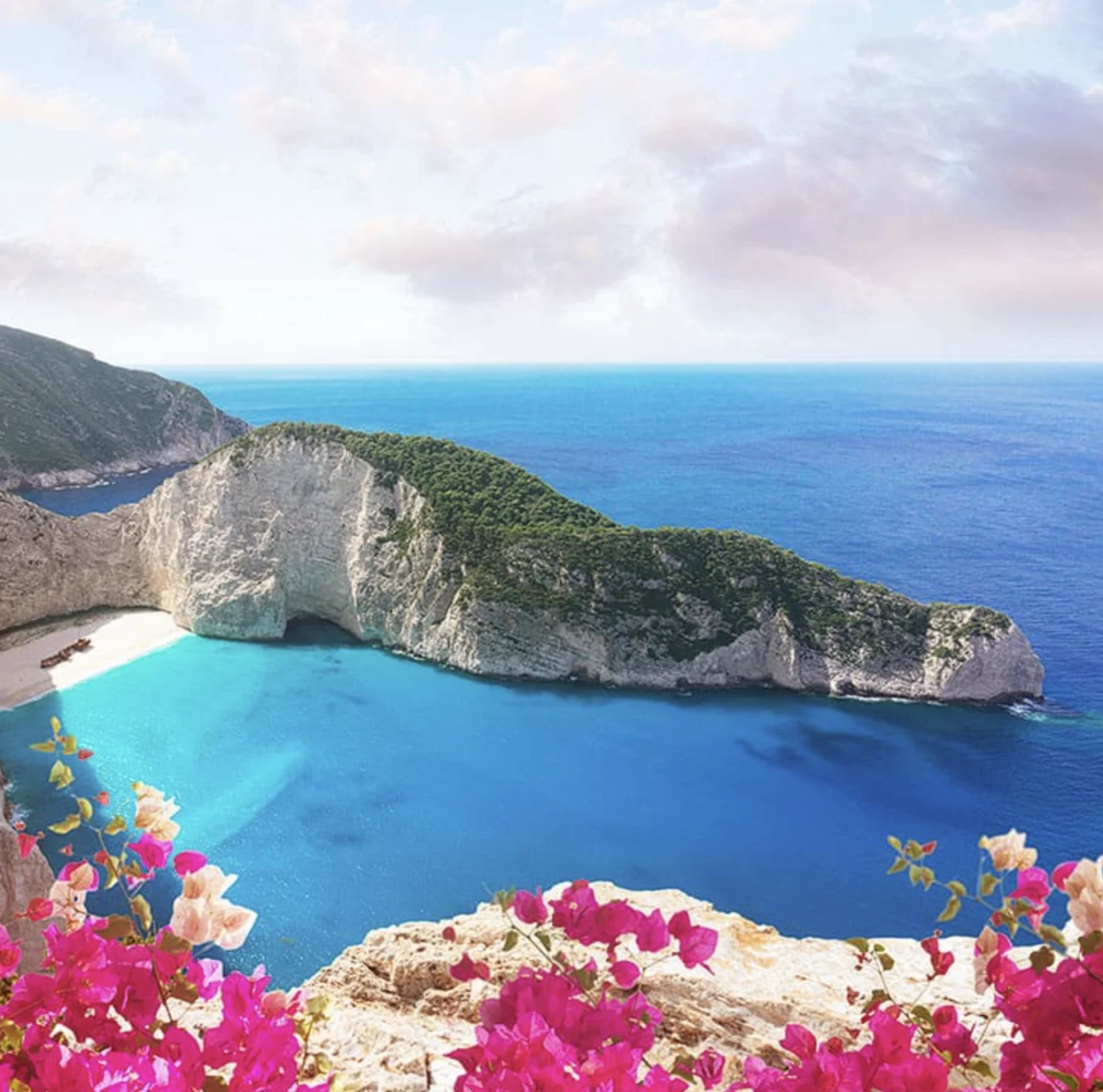
Santorini features unique volcanic beaches reflecting its geological history. Perissa Beach and Perivolos Beach on the southeastern coast are long stretches of black sand with calm waters, ideal for families, featuring beach bars, tavernas, sunbeds, and easy bus access from Fira. Red Beach (Kokkini Beach) near Akrotiri is Santorini's most famous and photogenic beach, featuring striking red volcanic cliffs and turquoise waters perfect for snorkeling, though it involves a short hike down and is best visited in early morning or late afternoon to avoid crowds. Kamari Beach offers a quieter alternative to Perissa with volcanic sand and family-friendly facilities. For a unique experience, White Beach (accessible only by boat from Perissa or Kamari) offers secluded beauty, and Vlychada Beach features a lunar-like landscape with dramatic rock formations. All Santorini beaches have volcanic sand and pebbles rather than soft golden sand, so bringing water shoes and comfortable footwear is recommended.
How do I get around Santorini?
Public buses operated by KTEL Santorini connect all major towns and cost approximately €2.00 per trip. Buses run regularly from Fira to popular destinations like Oia, Kamari, Perissa, Akrotiri, and the airport, with frequent schedules throughout the day. Buses can become crowded during peak season (June–August), but they're reliable and budget-friendly. Car rental (€95–175 per day depending on vehicle size) offers flexibility for exploring the island at your own pace. Taxis are available but have a €20 base fare, making them expensive for short trips. For getting to/from the old port in Fira, the iconic Santorini Cable Car provides scenic transport up the cliff face. Water taxis seasonally connect Red Beach and other coastal spots. Many visitors avoid renting cars due to narrow, winding roads and challenging parking, instead combining buses with organized tours.
What is the famous Fira to Oia walk in Santorini?
The iconic Fira to Oia caldera hike is a 10–10.5 km (6–6.5 mile) walk along the caldera cliff edge, taking 2.5–5 hours depending on fitness level and photo stops. This moderately challenging route winds through the villages of Firostefani, Imerovigli, and Oia, offering breathtaking caldera views at nearly every step. The hike is recommended from Fira to Oia (rather than reverse) as it's slightly downhill and ends in Oia where you can experience the famous Santorini sunset. The first section through Firostefani is paved and crowded with tourists and shops, while the Imerovigli to Oia section becomes a narrow, dusty trail with fewer crowds and stunning panoramic views. Start early (7–8 am) to avoid afternoon heat, carry plenty of water, wear comfortable hiking shoes, and apply sunscreen, as there's minimal shade along the route.
What should I expect from the Santorini volcano and hot springs tour?
A classic Santorini volcano and hot springs boat tour typically departs from the old port in Fira, sailing to Nea Kameni (the active volcanic island) where you can hike to the crater viewing volcanic rock formations. Next, the boat stops at Palea Kameni for swimming in the natural hot springs, where water temperatures range from 30–35°C (86–95°F). Many visitors are surprised the hot springs aren't dramatically hot but rather slightly warmer than surrounding seawater. The sulfur-rich mineral waters are reputed to have therapeutic benefits for skin and muscle conditions, though facilities are basic (no changing rooms or showers). Tours often include stops at charming villages like Thirassia and timing for the Santorini sunset from the water. Most tours cost €50–130 per person and last 4–6 hours. Important note: The sulfurous water can discolor light-colored swimwear, so wear darker swimwear if concerned.
What are Santorini's signature wines and where can I taste them?
Assyrtiko is Santorini's most famous and acclaimed white wine—a crisp, dry white with citrus notes, minerality, and a distinctive salty character from the volcanic terroir. The grape thrives in Santorini's unique volcanic landscape and produces wines with high acidity and alcohol content. Vinsanto is Santorini's traditional sweet dessert wine made from Assyrtiko, Aidani, and Athiri grapes, known for remarkable aging potential. Top Santorini wineries include Domaine Sigalas (Oia), Estate Argyros (managing over 120 hectares with vines over 100 years old), and Artemis Karamolegos (established 1952). Most wineries offer tastings paired with local food (€15–25 per person). Many include sunset views of the caldera. Book wine tours in advance, especially during peak season, as they often include pickup from your accommodation, typically costing €165–275 per person
What are the must-see attractions and how do I visit Akrotiri archaeological site in Santorini?
Top Santorini attractions include the whitewashed villages of Oia and Fira with iconic blue-domed churches and stunning caldera views, the Fira to Oia caldera hike, Red Beach, the volcano and hot springs boat tour, black sand beaches at Perissa and Perivolos, and winery visits for Assyrtiko wine tasting. The Akrotiri Archaeological Site—often called "Santorini's Pompeii"—is a Bronze Age Minoan settlement preserved under volcanic ash from the 1600 BCE eruption, featuring intact multi-story buildings, frescoes, and artifacts. Located near the village of Akrotiri on the southern coast, it costs €20 per person to enter (free for EU citizens under 25 and anyone under 18). Operating hours vary seasonally: April–August open 8am–8pm (closed Mondays–Thursdays until 3:30pm), September–October 8am–7pm, and November–March 8am–3:30pm. Book timed entry tickets online in advance during peak season. Plan 1–2 hours for your visit. Combine with Red Beach (nearby) or black sand beaches for a full day exploring Santorini's south coast.