
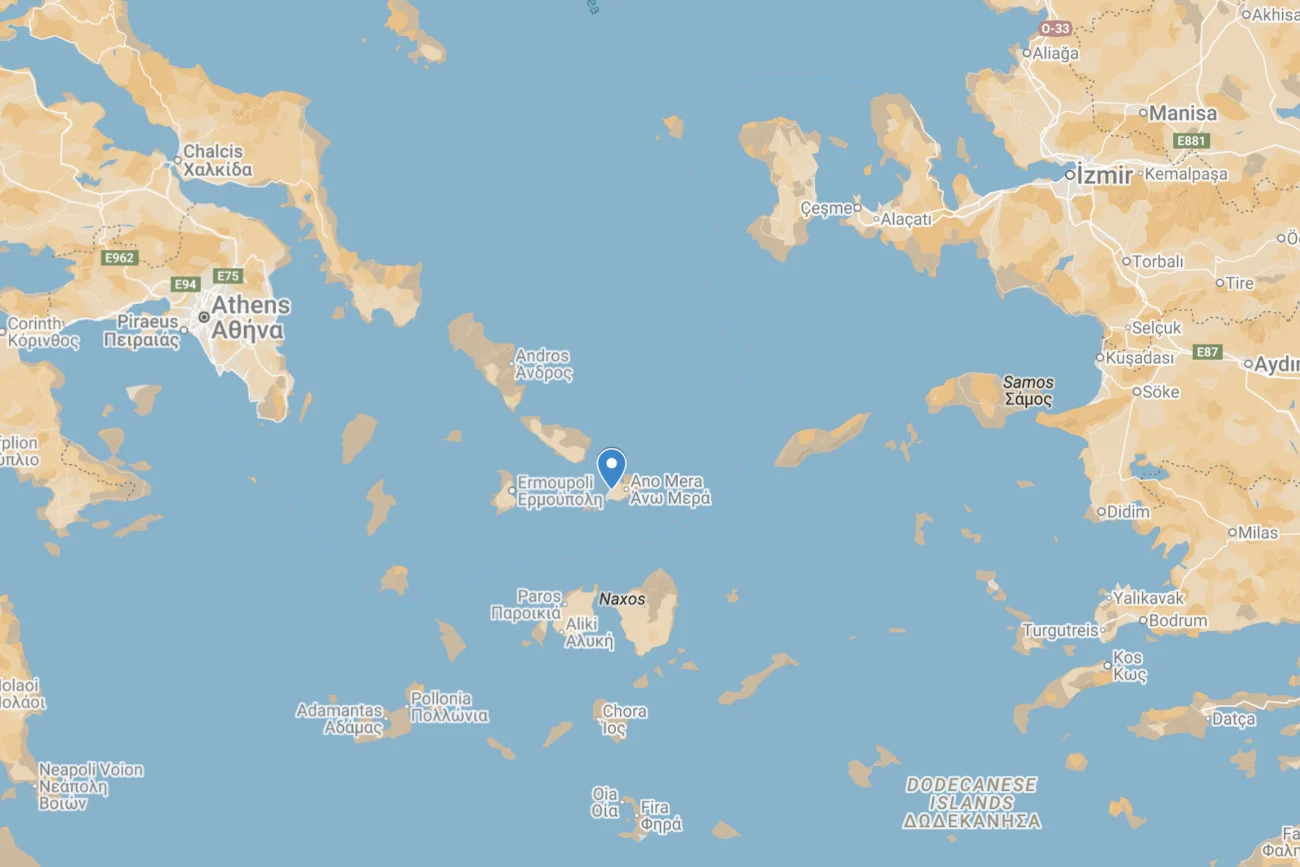
Mykonos is often recognised across the globe for its vibrant nightlife and cosmopolitan atmosphere. It is famous for white cubic houses and windmills that stand against the strong northern winds. However there is a secret side to this island that remains unseen by the average tourist who stays only at the beach bars. This hidden side is composed of rugged geological formations and ancient secrets carved into the stone. The island possesses a coastline that is rich in granite and metamorphic rocks. These hard stones have been shaped by the relentless Aegean Sea over thousands of years to create magnificent natural voids and caverns.
The caves of Mykonos are not just geological holes in the ground. They are places of history and mythology and immense natural beauty. Ancient legends say that the large rocks scattered around the island are the petrified bodies of the Giants defeated by Hercules. This mythical connection adds a layer of magic to the landscape. In more recent history these caves served as hideouts for pirates who roamed the Mediterranean. They used the secluded coves to conceal their ships and stash their loot away from prying eyes. Today these geological wonders offer a sanctuary for rare wildlife and adventurous travellers seeking silence and connection with nature.
Exploring these caves provides a stark contrast to the noise of the main towns. It allows visitors to witness the habitat of the Mediterranean monk seal and the colourful underwater gardens of the Aegean. The water clarity in these areas is exceptional and offers visibility that can reach many metres deep. This report provides a comprehensive guide to the top five caves on and around Mykonos. It details their history and location and access methods and safety requirements. It is written to help you plan a journey that goes beyond the ordinary.
Table of Contents
1. Tragonisi Caverns
A: Cave Information
Tragonisi is a small uninhabited islet that lies just a few miles off the eastern coast of Mykonos. It is also known by the name Dragonisi which translates to Island of the Dragon. This name comes from the word drakos and hints at the mythical atmosphere of the place. The island is a protected nature reserve and is part of the Natura 2000 network because of its ecological importance. The cave system here is the most impressive feature. The sea has carved deep tunnels and chambers into the sheer cliffs. These caverns are not dark and scary places but are filled with light that reflects off the white sand and blue water.
The most famous residents of these caves are the Monachus monachus seals. The Mediterranean monk seal is one of the rarest marine mammals in the world. They use the secluded caves of Tragonisi as a safe haven to rest and breed. Encountering one of these shy creatures is a rare privilege for visitors. Inside the water the walls of the caves are covered in yellow sea anemones. These are small marine animals that look like flowers and are found exclusively in this specific area. They create a vibrant yellow carpet that contrasts beautifully with the deep blue of the sea. The caves also attract other marine life such as colourful fish and octopuses which makes it a paradise for snorkelers and divers. The combination of the geological grandeur and the rich biodiversity makes Tragonisi a top destination for nature enthusiasts.
B: Location
Tragonisi is situated in the Aegean Sea to the east of Mykonos. It is located approximately three miles away from the bay of Kalafatis and the bay of Kalo Livadi. Because it is an islet it is completely surrounded by water and has no land connection to the main island. The location is exposed to the open sea which means it can be affected by strong winds and waves. The island itself is rocky and barren with steep cliffs that drop vertically into the water. The caves are located at the base of these cliffs at sea level.
There are no houses or hotels or roads on Tragonisi. The only man made structures are a small church named Panagia and a lighthouse that stands as a sentinel against the sea. This isolation ensures that the environment remains pristine and untouched by mass tourism. The coordinates place it in a spot that feels remote even though it is quite close to the busy southern coast of Mykonos. You can see the silhouette of the island from the beaches of the southeast coast but the details of the caves are hidden until you get close.
C: How to Get There
Access to Tragonisi is exclusively by sea. You cannot swim there from Mykonos and there are no ferries. The most common way to visit is by booking a private boat trip or joining a guided group tour. Many boat charters operate from the beaches on the southern coast of Mykonos such as Kalafatis and Kalo Livadi or Ornos. The journey by boat usually takes around thirty to forty minutes depending on the departure point and the speed of the vessel.
Private cruises offer the flexibility to explore the coastline at your own pace and spend more time at the caves. These trips often include stops at other beaches along the south coast. Experienced divers can arrange trips through certified diving centres on Mykonos. These centres organise boat dives specifically to the cavern system of Tragonisi. It is important to note that boat trips to Tragonisi are highly dependent on the weather. The boat captains will only make the crossing if the sea is calm enough to ensure safety. The north wind known as the Meltemi can make the sea very rough in this area. Therefore it is wise to check the weather forecast and plan your trip for a day with low wind.
D: Safety and Things to Carry
Safety is paramount when visiting sea caves. The currents around Tragonisi can be strong and the water is deep. You should only swim into the caves if you are a confident swimmer or if you are wearing a life jacket. If you are diving you must be accompanied by a certified dive master who knows the cavern system well. It is strictly forbidden to disturb the monk seals. If you see a seal you must keep a safe distance and remain quiet to avoid scaring it. These are wild animals and their protection is critical.
Visitors should bring all necessary supplies with them as there are no facilities on the islet. You should carry plenty of fresh water to stay hydrated under the hot sun. Sun protection is essential so bring a hat and sunglasses and plenty of sunscreen. You should also bring a towel and a change of clothes for after swimming. If you plan to snorkel it is best to bring your own mask and fins to ensure a good fit although many tours provide them. Wearing water shoes can help protect your feet from sharp rocks if you need to step on the surrounding cliffs. Those who suffer from sea sickness should take medication beforehand as the channel between Mykonos and Tragonisi can have significant swells. Always follow the instructions of the boat captain and guide to ensure a safe and enjoyable experience.
2. Spilia Cave at Agia Anna
A: Cave Information
Spilia Cave offers a unique blend of natural wonder and culinary delight. The name Spilia translates literally to cave in Greek. This natural sea cave is located on the coastline and has been transformed into one of the most iconic venues on the island. Unlike the wild and uninhabited caves of Tragonisi this cave is a place of social gathering and gastronomy. It houses the Spilia Seaside Restaurant which is nestled directly into the rocks and the mouth of the cave. The cave creates a dramatic natural roof and walls for the dining area.
The floor of the venue is built on wooden platforms that hover just above the splashing waves. A key feature of this cave is the natural sea water pool that exists within the restaurant area. This pool is used to keep the daily catch of seafood fresh including lobsters and sea urchins and oysters. Guests can see their food in its natural element before it is prepared. The atmosphere is magical especially in the evening. As the sun sets the warm lighting of the restaurant illuminates the rugged textures of the cave walls while the moon reflects on the dark water below. It is a place where you can taste the salt in the air and feel the energy of the ocean while enjoying high quality Mediterranean food. This integration of nature and lifestyle is a hallmark of the Mykonian experience.
B: Location
Spilia Cave is situated at Agia Anna beach near the area of Kalafatis. It is located on the southeastern coast of Mykonos. It is important to distinguish this Agia Anna from the other beach of the same name near Paraga. The cave is tucked away on the rocky shoreline to the right of the sandy beach of Agia Anna if you are facing the sea. The surrounding area is known as Divounia which is a traditional settlement with small fishing houses. The location is sheltered from the strong northern winds by the rocky promontory. This natural protection creates a calm microclimate inside the cove. The cave sits right on the water edge which allows small boats to dock directly at the restaurant pier.
C: How to Get There
Access to Spilia Cave is relatively easy compared to the offshore sea caves. You can reach the location by land or by sea. If you are driving a car or riding a scooter you should follow the road signs towards Ano Mera and then towards Kalafatis beach. Once you reach the area you will see signs directing you to Agia Anna. There is a parking area near the beach where you can leave your vehicle. From the beach you must walk along a wooden boardwalk that has been constructed over the rocks. This path winds along the edge of the sea and leads you directly into the cave entrance.
The walk takes only a few minutes and offers beautiful views of the bay. Alternatively you can take a taxi from Mykonos Town which is about twelve kilometres away. The drive takes approximately twenty to thirty minutes. For a more stylish arrival you can arrive by boat. Many visitors choose to anchor their yachts in the bay and take a dinghy to the restaurant dock. The venue is widely known so most taxi drivers and boat captains will know exactly where to take you.
D: Safety and Things to Carry
While Spilia is a developed venue there are still safety considerations. The wooden walkways and the natural rock floors can be uneven and slippery especially when wet from the sea spray. It is advisable to wear comfortable flat shoes rather than high heels to avoid tripping. You should be careful near the edges of the platforms as there are minimal barriers between the dining area and the water.
If you plan to visit for a meal it is essential to make a reservation in advance. The location is extremely popular and tables are often booked weeks ahead during the peak summer season. You should carry a camera or a smartphone to capture the stunning scenery. If you wish to swim at the adjacent Agia Anna beach before or after your visit you should bring swimwear and a towel. The dress code in the cave is generally casual chic but you might want to bring a light layer for the evening breeze. The proximity to the water means the air can feel cooler at night. It is also good to have cash or a card for payment although the venue is upscale and accepts most payment methods.
3. Rhenia Island Sea Caves
A: Cave Information
Rhenia is a large uninhabited island that lies next to the sacred island of Delos. It is separated from Delos by a narrow channel. Historically Rhenia served as the necropolis for Delos. Ancient laws forbade birth and death on the sacred ground of Delos so the dying and heavily pregnant women were transported to Rhenia. Today the island is a place of peace and natural splendour. It is often referred to as the Big Delos by locals.
The coastline of Rhenia is indented with numerous coves and bays that harbour magnificent sea caves. The water around Rhenia is famous for its unique colour. It is a vivid turquoise that is incredibly clear and inviting. The caves here are mostly accessible by swimming from a boat. Inside these caves the water takes on an ethereal glow as sunlight filters through the openings. The silence is profound. Unlike the busy beaches of Mykonos Rhenia offers a sense of total isolation. Exploring these caves allows you to connect with the ancient history of the Cyclades. You can imagine the ancient ships that once anchored in these same waters. The seabed is often sandy which reflects the light and makes the water inside the caves look luminous. It is a pristine environment where nature rules.
B: Location
Rhenia island is located to the west of Mykonos and just next to Delos. It is approximately nine kilometres from Mykonos Town. The island is part of the Cyclades complex. Its proximity to Delos means it is often included in day trips that visit the archaeological site. The best caves are found along the southern and western coasts of the island where the cliffs are more dramatic. These areas are protected from the north wind which makes them ideal for swimming and anchoring. The island covers a significant area but remains wild with only a few abandoned farmhouses and chapels visible on the land.
C: How to Get There
Since Rhenia is uninhabited there is no public ferry service. The only way to visit is by private boat or organised cruise. Many boat tours depart daily from the Old Port of Mykonos or from Ornos beach. These tours typically last for several hours or a full day. A common itinerary involves a guided tour of the ancient ruins on Delos followed by a relaxation stop at Rhenia for swimming and lunch.
For a more personalised experience you can charter a private yacht or a catamaran. This allows you to ask the captain to take you specifically to the best sea caves. Small ribbed boats can get closer to the rocky shoreline and allow for easier access to the caves. The journey from Mykonos to Rhenia takes about one hour depending on the vessel and the weather conditions. The approach to the island is scenic and offers great views of the Cycladic seascape.
D: Safety and Things to Carry
Visiting Rhenia requires preparation because there are absolutely no facilities on the island. There are no beach bars or shops or toilets. You must bring everything you need for the day. Water is the most important item. You should carry ample drinking water to prevent dehydration under the strong Greek sun. Food and snacks are also necessary if your boat tour does not provide a meal.
Safety in the water is crucial. You should be a competent swimmer to explore the caves as the water can be deep. Be aware of currents and tidal movements around the caves. It is safer to swim with a partner and not venture too far alone. Snorkeling gear is highly recommended to see the underwater rock formations and fish. You should also bring high protection sunscreen and a hat and sunglasses. There is very little shade on the island or in the water so sun protection is vital. A waterproof bag for your valuables is useful if you are swimming from the boat to a beach. Respect the archaeological nature of the area and do not remove any stones or artifacts you might find.
4. Hidden Beach Cave at Platis Gialos
A: Cave Information
This cave is a secret spot known to locals and intrepid explorers. It is located at a place often referred to as the Hidden Beach. This is a tiny cove that is not visible from the main tourist areas. At the edge of this secluded beach there is a natural cave formation in the cliff. It is not a deep cavern but rather a substantial overhang that provides shelter and shade. The rock formations here showcase the interesting geology of the island with layers of stone and mineral veins.
The cave offers a cool retreat from the scorching summer sun. It creates a private space where visitors can relax and look out at the sea. The water in front of the cave is crystal clear and calm. The rocky seabed around the cave entrance attracts various fish which makes it a delightful spot for snorkeling. The vibe here is quiet and romantic. It is a stark contrast to the nearby party beaches. Visitors come here to escape the crowds and enjoy the simple pleasure of the sea and stone. It feels like discovering a secret piece of paradise that belongs only to you for a few hours.
B: Location
The Hidden Beach and its cave are situated on the southern coast of Mykonos. The location lies between the popular beaches of Platis Gialos and Paraga. It is specifically located just past the eastern end of Platis Gialos beach. The cave is tucked away behind rocky outcrops that separate it from the main stretch of sand. Because it is hidden by the terrain it cannot be seen from the road or the main beach areas. It does not appear on most standard tourist maps which helps preserve its tranquillity.
C: How to Get There
Access to this hidden spot is primarily on foot. You cannot drive a car directly to the cave. First you must travel to Platis Gialos beach. This beach is well connected to Mykonos Town by a frequent bus service. You can also reach it by water taxi from other southern beaches. Once you arrive at Platis Gialos you need to walk to the far right end of the beach if you are facing the sea. Actually you must walk towards the east in the direction of Paraga.
Look for a narrow path that leads up over the rocks. The walk is short and takes about ten to fifteen minutes. The path follows the coastline and offers lovely views. As you traverse the rocks you will look down to find the small cove with the cave. You will need to scramble down the rocks to reach the sand. The descent is not technical but requires care. It is a mini adventure that rewards you with seclusion.
D: Safety and Things to Carry
The path to the cave is rocky and uneven. You should wear sturdy sandals or trainers rather than flimsy flip flops to avoid injury. Once you are at the beach you can switch to beach footwear. Since this is an unorganised beach there are no lifeguards or amenities. You are responsible for your own safety in the water. Do not swim out too far if you are alone.
You must carry all your supplies including plenty of water and food. There are no vendors at the Hidden Beach. A beach umbrella might not be necessary if you secure a spot in the cave but bringing a hat is wise. You should also bring a thick towel or a mat as the beach consists of pebbles and sand which can be hard to lie on. Please ensure you bring a rubbish bag to take your waste back with you. Keeping this secret spot clean is essential for its preservation. Be mindful of the tide and waves if you set up your things inside the cave area.
5. Chtapodia Island Sea Caves
A: Cave Information
Chtapodia is a small group of rocky islets that lies far out in the open sea. The name means Octopus Islands in Greek which hints at the rich marine life found in its waters. This location is wild and remote and offers a true sense of adventure. The primary attraction here is the underwater cave system. These caves are submerged and are a magnet for scuba divers. The underwater topography is dramatic with walls and overhangs and caverns teeming with life.
The marine biodiversity at Chtapodia is exceptional. The walls of the caves are adorned with colourful sponges in shades of red and black and yellow. Large schools of fish patrol the reefs. The most exciting potential encounter is with the Mediterranean monk seals. These rare mammals often use the remote caves of Chtapodia as a refuge away from human disturbance. For divers the experience of exploring these light filled caverns is unparalleled. The visibility is usually excellent which allows for stunning underwater photography. It is a place where nature is raw and beautiful.
B: Location
Chtapodia is located to the southeast of Mykonos. It is situated approximately five to six miles offshore which is quite a distance for a small boat. The islets are in the open Aegean Sea and are not protected by the main landmass of Mykonos. This location makes them susceptible to strong currents and winds. The islets appear as jagged rocks rising defiantly from the deep blue water. The depth of the water increases rapidly around the islands which supports the rich pelagic life.
C: How to Get There
Reaching Chtapodia requires a boat capable of open sea travel. The most practical way to visit is to book a trip with a professional diving centre. Several dive schools operate on Mykonos from beaches like Paradise or Kalafatis or Lia. You should inquire specifically about trips to Chtapodia as they are not always on the daily schedule.
These trips are often weather dependent. The dive boats will only venture out to the islets when the wind is low and the sea conditions are favourable. The boat ride itself is an adventure and offers panoramic views of the Mykonos coastline fading into the distance. It is a journey for those who are comfortable on the sea and eager to explore the unknown.
D: Safety and Things to Carry
This destination is primarily for certified scuba divers. You must bring your diving certification card and logbook. If you are not a diver you should check with the operator if snorkeling is permitted and suitable. The water is deep and the conditions can be challenging for surface swimming.
Safety is managed by the dive professionals but personal responsibility is key. You must listen carefully to the briefings and follow the guide at all times. The currents around the rocks can be strong. It is advisable to carry motion sickness medication if you are prone to seasickness as the open sea can be rough. You should bring warm clothing for the boat ride back as the wind can feel cold after a dive. High energy snacks and plenty of water are important to maintain your energy levels. Do not forget sun protection as the reflection off the water can cause sunburn even on cloudy days.
Detailed Insights and Analysis
The presence of these caves in Mykonos reveals significant details about the geological and ecological history of the Cyclades. The predominance of granite in Mykonos means that large solution caves like those found in limestone regions are rare. Instead the island features littoral caves formed by mechanical erosion. The constant pounding of the waves against the fracture zones in the granite has excavated these spaces over millennia.
Ecological Significance: The existence of the Monk Seal (Monachus monachus) in caves like Tragonisi and Chtapodia is a critical indicator of the marine health of the region. These seals are critically endangered. Their presence suggests that these remote caves provide the necessary seclusion for their survival. The “Natura 2000” designation for areas like Tragonisi highlights the European Union’s commitment to protecting these habitats. Tourists playing a role in this ecosystem must be passive observers. The disturbance of these animals can lead to site abandonment which would be a tragedy for the species.
Historical Context: Historically the isolation of islands like Rhenia and islets like Tragonisi made them perfect for illicit activities. Pirate lore is deeply woven into the fabric of the Cyclades. The complex coastlines offered natural harbours that were invisible from the open sea. Today the transformation of these “pirate dens” into tourist attractions represents a shift in the island’s economy from maritime trade and survival to global tourism.
Tourism Trends: The popularity of Spilia Cave restaurant signifies a trend in luxury travel where dining is experiential. It is not just about the food but about the connection to the landscape. Conversely the appeal of the Hidden Beach cave points to a counter trend where travellers seek to escape the curated luxury of Mykonos to find something authentic and raw. This duality defines the modern Mykonos experience: a blend of high end luxury and rugged natural beauty.
Travel Logistics Summary:
- Best Time to Visit: The months of June and September offer the best balance of warm weather and fewer crowds. July and August are peak months where booking ahead for places like Spilia is mandatory.
- Wind Factor: The Meltemi wind blows from the north during summer. This makes southern caves like Spilia and Hidden Beach more sheltered while northern or open sea locations like Chtapodia might be inaccessible on windy days.
- Transportation: Renting a vehicle provides freedom to reach land based caves. However for the best cave experiences a boat is essential. Budget travellers can use the bus system to reach trailheads for coastal caves while those with higher budgets can unlock the secrets of Rhenia and Tragonisi via private yacht.
By visiting these caves you engage with the elemental forces that shaped Mykonos. You move beyond the role of a typical tourist and become an explorer of the Aegean’s hidden depths.
Conclusion
Mykonos is an island of contrasts where cosmopolitan luxury meets raw nature. The caves described in this report offer a gateway to the latter. They invite you to step away from the sunbeds and the music to listen to the ancient song of the sea. From the ecological sanctuary of Tragonisi to the culinary theatre of Spilia and the silent history of Rhenia each cave tells a different story.
Visiting these sites requires a spirit of adventure and a respect for the environment. These geological formations are fragile and the life within them is precious. Whether you are diving into the deep blue at Chtapodia or hiking over the rocks to the Hidden Beach you are participating in a tradition of exploration that dates back thousands of years.
The caves of Mykonos are not just destinations. They are experiences that ground you in the physical reality of the Greek islands. They remind us that beneath the glitz and glamour the earth remains wild and beautiful. We encourage you to visit these places with care and to leave only footprints and bubbles behind. Enjoy the mystery and the majesty of the best caves in Mykonos.