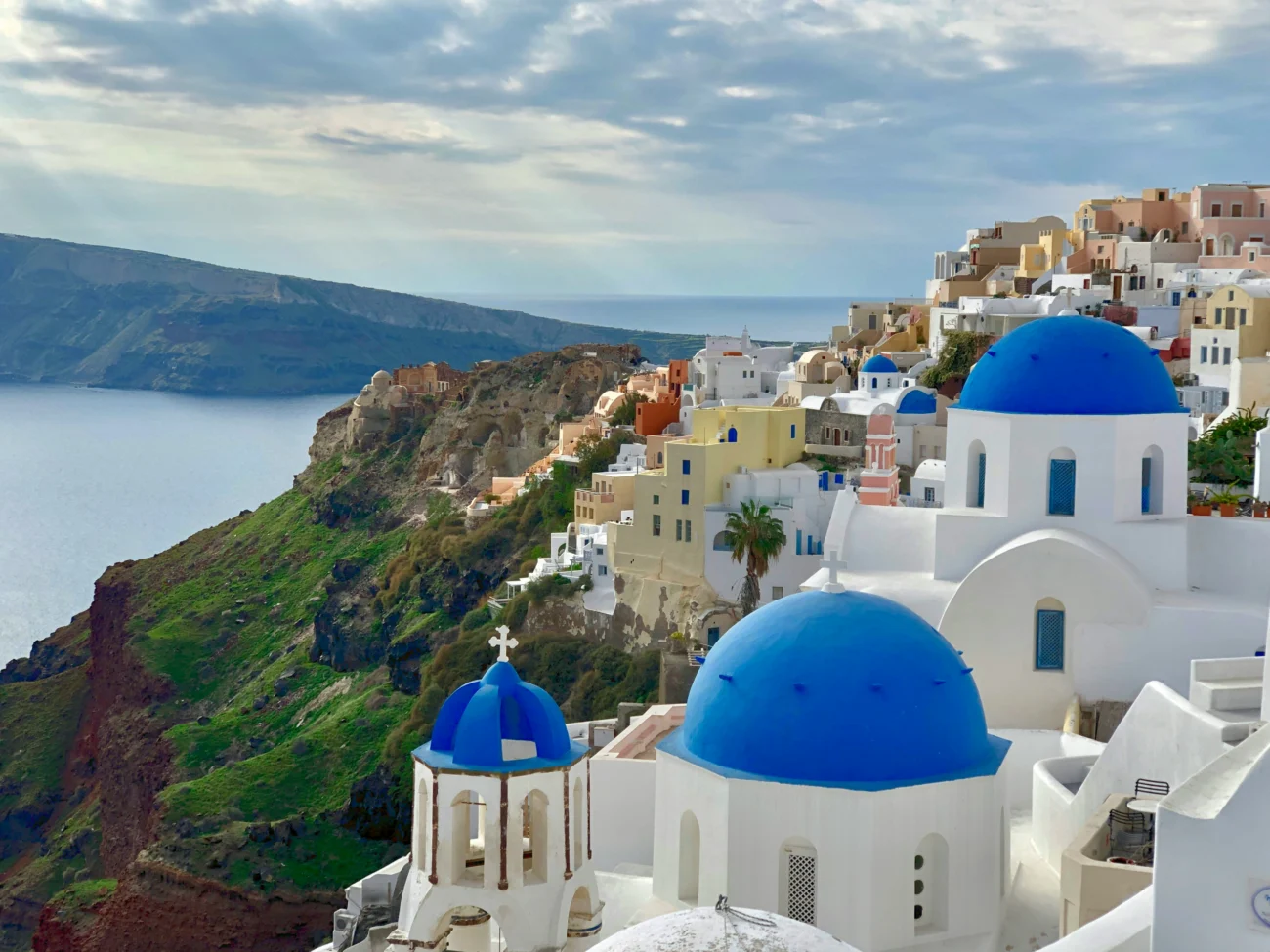
1. Beach Type & Experience
Agia Theodoti Beach is a spectacular 650 metre long sandy bay tucked away on the northeastern coast of Ios, offering one of the island’s most peaceful and unspoilt beach experiences. The beach boasts soft, golden sand with an enchanting mix of natural and organised sections that cater to different types of visitors. The main attraction lies in its reputation as a quiet escape from the busier beaches, particularly when compared to the party atmosphere of Mylopotas.
The sand is predominantly fine and comfortable underfoot, though you will encounter small pebbles in certain areas, especially closer to the waterline where larger stones sometimes appear. Many visitors prefer the southern end of the beach near the canteen, where the sand transition into the water is smoother and more family friendly. The northern end features natural tamarisk trees that provide welcome shade, making it an ideal spot during the hottest hours of the day.
Crowd levels remain pleasantly modest throughout most of the year, with the beach never feeling overwhelmed even during peak summer months. Early mornings offer the quietest experience, with most other visitors arriving mid-morning onward. The beach attracts a healthy mix of both international tourists and local Greeks, creating an authentic Greek island atmosphere without the commercialised feel of Mylopotas or Manganari.
The beach is officially organised with sunbeds and umbrellas available for rent, yet the middle section remains wonderfully natural and undeveloped, allowing those who prefer a true wilderness experience to escape the commercialisation entirely. This balance between amenities and natural beauty makes Agia Theodoti particularly appealing for travellers seeking to avoid crowds while maintaining reasonable comfort.
Regarding family friendliness, the beach requires some caution with small children. The water deepens fairly quickly from the shore, and the underwater terrain becomes rocky in many sections. Parents should note that while the southern end near the canteen provides better sand entry, swimming children will still encounter increasing depth and rocky patches as they venture further out. The beach is generally considered more suitable for older children and adults than for toddlers or very young swimmers.
Agia Theodoti has no official nudism policy, and the beach is not designated as a nudist area. However, locals report that the beach naturally tolerates clothing-optional bathing in quieter sections, though this is not formally sanctioned.
Wheelchair accessibility is limited. Whilst the beach can technically accommodate wheelchair users arriving by car and parking above the beach, there are no formal accessible pathways, adapted restrooms, or beach wheelchairs available. The terrain from the car park to the beach requires navigating the parking area, and the descent involves some steps or rough terrain unsuitable for wheelchairs. Those with mobility challenges should seek the assistance of staff or locals for the best access points.
2. Water Quality & Conditions
The water at Agia Theodoti Beach ranks among the clearest and most pristine in the entire Cyclades archipelago, earning it a reputation as a snorkelling paradise. The water clarity is exceptional throughout the year, allowing visibility of underwater features up to considerable depths, making it ideal for underwater photography and marine life observation.
Water temperature follows the typical Aegean summer pattern. The optimal swimming season runs from June through September, when water temperatures range from 23 to 26 degrees Celsius (73 to 78 degrees Fahrenheit). August represents the warmest month at 24.8 degrees Celsius on average. May and October offer cooler but perfectly swimmable conditions at around 17 to 22 degrees Celsius. Winter months from November through March see temperatures drop to between 14 and 19 degrees Celsius, making swimming uncomfortable for most visitors unless you are accustomed to cold water.
The underwater terrain presents an interesting landscape with a mixture of sand and rocky formations. Depth increases gradually in most areas, reaching approximately 10 metres within just a short distance from the shore. The rocks and stone formations are smooth and worn from years of wave action, though they do require caution when entering the water. Rocky patches appear sporadically throughout the entry zones, necessitating water shoes or careful footwork to avoid stubbed toes or minor cuts.
Wind conditions significantly affect Agia Theodoti’s swimming experience, particularly during summer months. The Meltemi wind, a powerful northeasterly breeze, dominates the Aegean during June through September, reaching 4 to 7 on the Beaufort scale. This dry wind typically strengthens in the afternoons and subsides toward evening. Because Agia Theodoti faces the northeast, it sits directly exposed to the Meltemi’s full force, making afternoon swimming potentially choppy. However, the bay configuration itself provides some natural protection, and mornings generally offer calmer, clearer conditions.
Water safety at Agia Theodoti ranks as excellent overall. Swimmers report no jellyfish problems, and despite the rocky entry, water conditions remain safe for confident swimmers who take appropriate precautions. The main hazard involves the underwater rocky terrain and the depth increase, rather than dangerous currents or rough waves. The offshore breeze means the sea rarely develops dangerous surf, making the beach suitable for swimming even when the Meltemi blows.
3. Accessibility & Getting There
Reaching Agia Theodoti Beach offers multiple options depending on your transport preferences and comfort level with driving on Greek island roads.
Public Bus Transport: The most budget-friendly option involves the local KTEL bus service from Chora village. The journey takes approximately 20 minutes, making it entirely feasible for day visits. The bus fare costs 2.10 euros per person. A significant limitation exists in bus frequency: only one morning bus departs from Chora at 11:30, with a return journey at 16:00. This fixed schedule restricts visitor flexibility and means you must plan your beach time around bus times rather than your own preference. The two-bus-per-day frequency limits beach visits to approximately 4.5 hours maximum, which most visitors find adequate for a morning or afternoon beach session.
Car or ATV Rental: Many travellers opt to hire a car or ATV to escape the bus schedule restrictions. The drive from Chora takes approximately 20 minutes via winding mountain roads that gradually descend toward the coast. The road itself is well developed and navigable for regular hire cars, despite winding through hilly terrain. The journey offers spectacular views across the Aegean as you descend toward the beach.
Parking: A small, free car park sits at the top of the descent toward the beach. Spaces fill up during peak summer periods, but availability generally remains good compared to other organised beaches on the island. The car park appears rustic and basic, with no formal facilities.
Road Conditions: The approach road features multiple curves and reasonably steep gradients as it winds down to the beach level. The roads are properly surfaced and maintained, making the drive straightforward even for those unfamiliar with Greek driving. Road quality does not present significant challenges for standard vehicles.
Difficulty Level: Getting to Agia Theodoti presents an easy to moderate difficulty. Parking availability is straightforward, and the walk from car park to beach takes only a few minutes. The main challenge involves the winding descent road if you are an anxious driver, but road conditions themselves pose no real hazard to a regular hire car.
Visitors arriving by foot should note that no reasonable walking route exists from Chora. The 10 kilometre distance over hills and mountains makes hiking impractical for a beach day.
4. Facilities & Amenities
Food and drink options at Agia Theodoti remain intentionally minimal, reflecting the beach’s commitment to maintaining a quieter, less commercialised atmosphere.
Beachfront Canteen: A single canteen operates at the beach, serving basic refreshments including coffee, cold drinks, ice cream, and simple snacks. The proprietor, often noted as Andreas from Ios in visitor reviews, is renowned for his friendly hospitality and genuine Greek warmth. The canteen accepts both cash and cards (subject to signal availability). Prices reflect tourist beach pricing and are considered expensive compared to eating in Chora village. A simple coffee might cost 5 euros, whilst ice cream typically runs 4 to 5 euros per serving. The canteen sits at the far northern end of the beach, meaning beach-goers on the southern sections need to walk several hundred metres for refreshments.
Taverna: Kokos Taverna sits approximately 300 metres uphill from the beach, offering traditional Greek cuisine with spectacular beach views from its dining area. This taverna is the only substantial food option in the immediate area. Reviews consistently praise the food quality and fair pricing, with main dishes typically ranging from 10 to 15 euros. The establishment serves excellent local specialties including goat and chicken with potatoes. Opening hours align with typical Greek seasonal patterns, with extended hours during summer and reduced hours in shoulder seasons.
Sunbeds and Umbrellas: Sunbed and umbrella rentals are available at multiple organised sections along the beach. The standard pricing is 10 euros for an umbrella and two loungers. Some older reviews mention 4 euros per person, though prices have since increased. The loungers are basic but comfortable plastic types, and umbrellas provide adequate shade. Availability remains good, with rarely any days when loungers sell out, even in August.
Shade Options: Natural shade at Agia Theodoti is limited. The northern end of the beach features scattered tamarisk trees that provide dappled shade, making this section popular during peak sun hours. The central beach stretches offer no natural shade whatsoever, making umbrella rental highly advisable. Many visitors bring personal beach umbrellas or parasols as backup.
Toilets and Changing Facilities: Information about formal toilet and changing facilities proves scarce. The organised sections appear to have minimal or no formal toilet blocks, with the main facilities likely located near the taverna uphill from the beach. Visitors should plan accordingly, as facilities are not as developed as at more commercial beaches like Mylopotas.
Fresh Water: No drinking water fountains or taps exist at the beach itself. Visitors must purchase bottled water from the canteen (at inflated prices) or bring adequate water supplies from Chora. Given the intense Mediterranean sun and beach activity, carrying at least 2 to 3 litres of water per person is essential.
5. Activities & Special Features
Snorkelling: Agia Theodoti Beach represents one of the island’s finest snorkelling destinations, thanks to its crystal clear water and rocky underwater terrain. Fish and marine life remain visible from the beach surface, allowing snorkellers to explore directly from the shoreline without needing boat transport. The rocky formations create natural habitats for Mediterranean fish species, sea stars, and other marine organisms. Visibility often exceeds 25 metres, making this ideal for underwater photography of both marine life and underwater geology. The shallow entry areas allow beginners to practise snorkelling safely, whilst deeper sections cater to more experienced enthusiasts.
Underwater Features: The seafloor comprises a mixture of sand and smooth rock formations, with depth increasing gradually to approximately 10 metres. Several small underwater caves and rock formations exist, particularly at the deeper sections. These caves remain accessible to snorkellers with reasonable confidence in the water. The underwater landscape appears relatively uncluttered compared to some beaches, offering clear sight lines and accessible exploration.
Kayaking: Kayak exploration is possible from Agia Theodoti Beach, with paddlers able to access nearby coves and inlets. The calm bay conditions make kayaking suitable even for beginners, particularly on mornings before the Meltemi wind strengthens.
Hiking Trails: Scenic walking paths exist in the surrounding hilly terrain, offering coastal views and access to quieter coves. The landscape features Mediterranean scrubland with thyme, oleander, and other fragrant plants in bloom during spring and early summer.
Photography: The beach offers exceptional photography opportunities, particularly during golden hour at sunrise or sunset. The dramatic rocky coastline, views toward Iraklia and Amorgos islands, and the Byzantine Church of Agia Theodoti visible on the hillside above create compelling subjects. Early morning light illuminates the water beautifully, and the relatively quiet crowds mean photographers can compose images without people congestion.
Cultural Interest: The 16th century Byzantine Church of Agia Theodoti sits on the hillside above the beach, visible from the shoreline. This historic chapel dates to the Byzantine period and offers cultural interest for visitors interested in Greek Orthodox architecture and island heritage. The church requires a walk uphill from the beach but rewards visitors with panoramic views.
6. Practical Information
Best Time to Visit: Early morning provides the optimal experience at Agia Theodoti Beach. Arriving before 10 am means you will likely have the beach largely to yourself and enjoy the calmest water conditions before the Meltemi wind strengthens in the afternoon. Parking remains plentiful, and the single canteen staff will be fully operational with fresh supplies. Late afternoon visits from 3 pm onward see gradual increases in visitor numbers as morning beachgoers depart and afternoon visitors arrive, though the beach never approaches crowding compared to Mylopotas.
Seasonally, late May through early June and early September through mid-September offer ideal conditions. During these periods, water temperature is warm enough for comfortable swimming, yet the intense summer heat and peak tourist season are past. July and August bring the warmest water and longest daylight hours, but also the most powerful Meltemi winds and highest visitor numbers.
What to Bring: Sunscreen rated SPF 50 or higher is absolutely essential, as the Mediterranean sun intensity at Ios latitude is extreme and reflected off the sand and water. Reapply sunscreen every 90 minutes or after water activities. A hat or sun visor is highly recommended. Bring 2 to 3 litres of fresh water per person. Water shoes or old trainers are advisable for entering the water safely over rocky sections, particularly if you have tender feet. A personal beach towel is more practical than renting. A light cover up for walking between car and beach protects skin from sun. Bring any medications, including pain relief, as pharmacies are located only in Chora village. A snorkel and mask are worthwhile if you enjoy marine observation.
Footwear Requirements: Water shoes are strongly recommended when entering the water, as rocky patches are present in the entry zones. Bare feet can result in stubbed toes or minor cuts on the smooth but hard rock surfaces. Trainers work adequately, though purpose-designed water shoes with drainage holes are more comfortable. Once in deeper water beyond the rocky zones, footwear becomes unnecessary.
Crowdedness Patterns: Agia Theodoti avoids the party scene entirely and maintains a peaceful atmosphere year round. Even in August peak season, the beach never becomes crowded in the sense of feeling uncomfortable or packed. The single morning bus service inherently limits visitor numbers compared to other easily accessible beaches. Mylopotas by contrast hosts beach clubs, loud music, and crowded sections during summer. Manganari attracts more organised resort guests and families. Agia Theodoti appeals specifically to those seeking quieter alternatives.
Food and Drink Costs: The single beachfront canteen charges premium tourist beach prices. Coffee runs 4 to 5 euros, soft drinks 4 to 6 euros, ice cream 4 to 5 euros. The uphill taverna offers far better value, with main dishes at 10 to 15 euros and portions generous. Wine or beer costs 4 to 5 euros. A light lunch at the taverna typically costs 15 to 20 euros per person including drinks. Planning meals around the taverna rather than the canteen represents better value.
7. Safety & Warnings
Sun Exposure: The Mediterranean sun is far more intense than most visitors expect, particularly for those from northern climates. UVB and UVA rays are extremely strong, and sunburn develops quickly. The beach offers minimal natural shade outside the northern end tamarisk trees. Reflective heat from sand and water intensifies sun exposure. Sunscreen SPF 50 minimum is essential, reapplied regularly. Spend no more than 90 minutes in direct sun between 11 am and 4 pm without seeking shade or water.
Water Entry and Rocky Terrain: Multiple rocks and pebbly sections exist in the water entry zones, particularly at the wider northern and central sections of the beach. The smooth worn rocks are not sharp, but they are hard and unforgiving on bare feet. Water shoes or trainers are highly recommended to avoid painful stubbed toes. The southern end near the canteen offers smoother sand entry and is preferable for those sensitive to rocky terrain. Careful wading and awareness of foot placement is necessary.
Meltemi Wind Impacts: The Meltemi wind creates rough water conditions in the afternoons, particularly July and August. Swimming becomes choppy and less pleasant after 2 pm on Meltemi days. Morning swimming provides calmer, clearer conditions. The wind can also cause discomfort on the beach, scattering sand and making relaxation challenging. Plan beach days for early morning visits to avoid afternoon wind effects.
Wave Conditions: Despite the Meltemi wind, waves remain modest at Agia Theodoti due to the bay protection. Dangerous surf conditions are extremely rare, and the water is generally suitable for calm swimming and snorkelling throughout the season.
Rocky Underwater Terrain: The underwater landscape transitions from sandy beach to rocky formations as depth increases. The rocks are smooth and worn, presenting no sharp cutting hazards, but care is needed when entering the water and exploring underwater. The gradual depth increase (reaching 10 metres within a short distance) means even modest swimmers can wade out quickly into deeper water. Children should be supervised closely.
Nudism: The beach is not an official naturist beach, and whilst the quiet atmosphere and seclusion may attract occasional nude bathing, this is not officially sanctioned. Standard beach etiquette applies, and clothed bathing is expected.
8. Special Attractions & Nearby Points of Interest
Byzantine Church of Agia Theodoti: The namesake 16th century Byzantine church sits on the hillside above the beach, visible from the shoreline. This historic Orthodox chapel marks the beach area and offers cultural heritage interest. The church requires a walk uphill from the beach but provides commanding views across the bay to the Aegean beyond.
Views of Neighbouring Islands: From Agia Theodoti’s shoreline, clear views extend toward several smaller islands in the Little Cyclades archipelago. Iraklia and Amorgos islands are visible on the horizon, with Iraklia appearing particularly prominent and clear on days with excellent visibility. These islands create a stunning backdrop to the beach and dominate landscape photography.
Nearby Villages: Chora, the main village of Ios, sits approximately 10 kilometres away and offers restaurants, tavernas, shops, and accommodation. Chora’s whitewashed buildings and narrow streets reflect typical Cycladic architecture, making it worth an afternoon visit. Other villages exist in the interior but lack the facilities of Chora.
Day Trip Combinations: Visitors can combine a morning at Agia Theodoti with an afternoon visit to the nearby village of Chora or a second beach visit. Mylopotas Beach, famous for its party atmosphere, lies about 20 minutes drive away if you wish to contrast the quiet experience. Manganari Beach, considered one of the island’s most beautiful beaches, is accessible via the same road and offers similar sandy beach experiences with more commercial development.
Coastal Exploration: The rocky coastline surrounding Agia Theodoti invites kayaking exploration of nearby coves and inlets. The clear water and minimal development make this an ideal area for adventure seekers with paddling experience.
Is Agia Theodoti Beach suitable for children?
Agia Theodoti Beach requires caution with small children. Whilst the beach is beautiful and less crowded than alternatives, the water deepens quickly from the shore, and rocky underwater terrain exists in many entry zones. Older children aged 8 and above with swimming confidence will enjoy the beach. Toddlers and non-swimmers require close supervision and benefit from water shoes. The southern end near the canteen offers the smoothest sand entry and is preferable for families with young children.
What is the best time of day to visit Agia Theodoti Beach?
Early morning from sunrise until 11 am offers the optimal experience at Agia Theodoti Beach. Morning visits coincide with calm water conditions before the Meltemi wind strengthens in the afternoon, minimal visitor numbers, good parking availability, and beautiful golden light for photography. The single morning bus arrives around 11:30, meaning early arrivals enjoy private beach time. After 2 pm, afternoon wind creates choppier conditions and increases crowd levels as additional visitors arrive.
How do I get to Agia Theodoti Beach without a car?
Public bus transport is the primary option for car-free visitors. The KTEL bus departs from Chora village at 11:30 am daily, with a return journey at 4 pm (16:00). The journey takes approximately 20 minutes and costs 2.10 euros per person. The fixed bus schedule means you can spend roughly 4.5 hours at the beach. No walking route from Chora is practical due to the 10 kilometre distance over hilly terrain. ATV and buggy rentals offer greater flexibility if you prefer not to drive a regular car.
What makes Agia Theodoti Beach different from other Ios beaches?
Agia Theodoti Beach stands out as the quietest and least commercialised major beach on Ios Island. Unlike Mylopotas with its party atmosphere and beach clubs, Agia Theodoti maintains a peaceful, natural character with minimal development. The water ranks as exceptionally clear, making it excellent for snorkelling. The single morning bus service inherently limits visitor numbers compared to other beaches with frequent transport. Views toward Iraklia and Amorgos islands add scenic value. The beach genuinely suits travellers seeking authentic, crowd-free experiences over resort-style amenities.
Is the water warm enough for comfortable swimming?
Yes, from June through September the water temperature at Agia Theodoti ranges from 23 to 26 degrees Celsius (73 to 78 degrees Fahrenheit), providing comfortable swimming conditions. August represents the warmest month. Early June and September offer pleasant temperatures whilst avoiding the intense summer heat. May and October water temperature dips to around 17 to 22 degrees Celsius, still suitable for confident swimmers but no longer ideal for casual bathing. Winter months are too cold for comfortable swimming for most visitors.
Are there toilets and changing facilities at Agia Theodoti Beach?
Formal toilet and changing facilities at Agia Theodoti are minimal or absent at the beach itself. The main facilities likely sit near the uphill taverna. The organised sunbed rental areas may have basic facilities, but these are not guaranteed. Visitors should use facilities in Chora village before heading to the beach, or plan to visit the taverna for toilet access. The lack of formal facilities is part of the beach’s appeal to those seeking natural, undeveloped experiences.