Table of Contents
1. Beach Type & Experience
Mylopotas Beach stands as the most cosmopolitan and well-organised beach on the island of Ios. The beach stretches for approximately one kilometre along a crescent-shaped bay, with fine golden sand that feels wonderfully soft underfoot. The sand is mostly uniform and comfortable for walking barefoot, though you will find some scattered pebbles near the rocky outcrops at both ends of the bay. The beach reaches widths of up to seventy metres in certain sections, creating plenty of space for visitors to find their perfect spot.
The composition is predominantly fine golden sand with virtually no rocks in the shallow sections where most families swim. The underwater terrain continues as sand, making water entry smooth and safe for young children and non-swimmers. Only occasional flat rocks appear at the very edges of the beach, so no special footwear is required for the main swimming areas.
Mylopotas attracts a diverse crowd throughout the year, though the atmosphere shifts dramatically between seasons. During high summer months, particularly July and August, the beach becomes extremely crowded with young tourists from across Europe seeking both relaxation and vibrant nightlife. The busiest stretch sits closest to Chora, where the main bus stops and major facilities concentrate. If you prefer a quieter experience, head further down the beach towards the southern end where fewer sunbeds cluster and the pace feels more relaxed. Early mornings until around three o’clock in the afternoon offer the most peaceful beach experience, as the party atmosphere accelerates after mid-afternoon.
The beach is genuinely family-friendly despite its party reputation. The shallow water extending far into the bay means children can wade safely for considerable distances without losing their footing. Parents frequently mention the safe swimming conditions and the gentle gradient that allows young swimmers to build confidence. The water remains calm due to the protective influence of the nearby island of Paros, which acts as a natural breakwater. The sandy bottom provides secure footing, and the transparent water allows parents to see their children clearly.
Nudism is not a feature of Mylopotas Beach. This remains a traditional beach with standard clothing expectations, and you will not find designated clothing-optional areas.
Regarding disability access, Mylopotas offers basic accessibility features including wheelchair-accessible pathways in some areas and adapted facilities. However, accessibility standards vary, and some facilities may not meet all needs. The beach does feature accessible restrooms and changing areas, though visitors with mobility concerns should contact local authorities beforehand to confirm current accessibility status at specific locations.
2. Water Quality & Conditions
The water at Mylopotas Beach consistently impresses visitors with its exceptional clarity and stunning turquoise colour. The water remains crystal clear throughout the summer months, allowing excellent visibility for swimming, snorkelling, and underwater photography. This exceptional clarity results from the protected bay position and the generally clean, well-managed beach environment, which has earned the beach a prestigious Blue Flag award recognising its environmental standards and water quality.
Water temperature varies considerably by season, making certain periods more comfortable for swimming than others. From June through September, the water temperature ranges from twenty-three to twenty-six degrees Celsius, with August offering the warmest conditions at approximately twenty-six degrees Celsius. These temperatures feel pleasantly warm for extended swimming sessions. If you visit in May or October, expect cooler temperatures of nineteen to twenty-two degrees Celsius, which remains swimmable but less comfortable for prolonged time in the water. September averages approximately twenty-four degrees Celsius, making it an ideal compromise between warm water and fewer crowds than July and August.
The underwater features consist primarily of smooth sand that provides safe footing throughout the shallow sections. Various depths allow for different swimming abilities, with the waterbed remaining sandy and gentle as you venture deeper. The water clarity means you can easily observe small fish and marine life, making snorkelling directly from the beach highly rewarding without needing to travel to specialist spots. The protected bay position results from both the natural geography and the sheltering influence of nearby Sikinos island.
Meltemi winds, the dry northerly winds that frequently occur during summer months, have minimal impact on Mylopotas Beach due to its southwest-facing orientation and the protective ring of hills surrounding the bay. The beach remains remarkably calm even when other Ios beaches experience choppy waters and strong wind conditions. Occasionally westerly breezes can create small waves, but these conditions generally make swimming more refreshing rather than dangerous.
Swimming safety at Mylopotas is excellent overall. The shallow water extending far from shore, combined with the absence of rocks in the main swimming area and the calm conditions, creates an ideal environment for swimmers of all abilities. Waves are rarely powerful, and water entry presents no significant hazards. The only caution relates to sun exposure, which reaches intense levels during midday hours. The beach lacks natural shade, requiring either sunbed and umbrella rental or comprehensive sun protection.
3. Accessibility & Getting There
Reaching Mylopotas Beach proves exceptionally straightforward compared to many Greek island beaches. The beach sits just 1.8 kilometres from Chora, the main town of Ios, making it highly accessible through multiple transportation options.
For visitors arriving by car or renting a vehicle, Mylopotas Beach offers easy access via direct roads from Chora. The routes are well-signposted and straightforward, avoiding the winding mountain roads that characterise access to more remote beaches. Parking availability is reasonable, with multiple parking areas distributed along the beach road. Parking remains free in most areas, though you should check signage for any paid sections during peak season. The difficulty level for driving is minimal, classified as easy access with no challenging road conditions.
Many visitors choose to walk from Chora to Mylopotas Beach, which takes approximately thirty minutes depending on fitness levels and the direct route chosen. The walk descends gradually from the town centre, following established paths that are relatively straightforward. The return journey proves more challenging as the walk back incorporates an uphill section, which is why many visitors prefer to return by bus after spending the day at the beach.
The island’s bus service provides excellent connections between Chora and Mylopotas throughout the day. Buses run regularly during high season, with reduced frequency during off-season months. Journey time is short, typically five to ten minutes depending on the route and number of stops. The bus system makes Mylopotas extremely accessible for independent travellers without vehicles. Buses depart from central Chora locations and drop visitors close to the main beach facilities.
Boat services do not serve Mylopotas directly as a primary access method, since the beach is easily reached by land. However, water taxi services and private boat hire options operate from the beach for day trips to other nearby islands and beaches.
4. Facilities & Amenities
Mylopotas Beach offers the most comprehensive facilities of any beach on Ios island. The main promenade behind the beach and the facilities directly on the sand provide everything visitors require for a full day at the seaside.
Food and drink options are abundant and diverse. Restaurants line the beach and the adjacent main road, offering everything from traditional Greek tavernas to international cuisine. Drakos Taverna sits at the far southern end of the beach, specialising in fresh seafood with dishes prepared three different ways, and has operated since nineteen sixty-three, making it an institution. Multiple other tavernas serve traditional Greek meals and fresh grilled fish. Beach bars and restaurants including Free Beach Club, Delfini Del Mar, Salt Restaurant Bar, Almyra By The Sea, Bamboo Bar Restaurant, Karma Beach Bar, Tomatini Restaurant, and many others provide casual dining with sea views. Prices vary considerably depending on venue. High-end seafood restaurants charge approximately forty euros per person including drinks, while casual beach bars and tavernas offer more affordable options. Supermarkets and convenience stores located near the main road provide snacks, drinks, and picnic supplies for budget-conscious visitors.
Sunbeds and umbrella rentals are extensive throughout the beach. Standard pricing for sunbed and umbrella combinations ranges from ten to twenty euros per day, with most facilities charging around fifteen euros. Multiple sections of the beach offer paid lounger areas, though free sections of sand remain available if you prefer to bring your own beach towel and enjoy the beach without rental expenses. The various beach clubs and restaurants each maintain their own sunbed sections, allowing you to mix relaxation with food and drink service.
Shade options combine man-made structures with limited natural vegetation. The numerous umbrellas and beach awnings provide crucial protection from the intense Greek sun. Trees near the shore and surrounding the bay offer some natural shade, particularly in early morning and late afternoon hours. However, midday hours offer minimal natural shade, making sunbed rental or comprehensive sun protection essential for comfort and safety.
Toilet and changing facilities are well-maintained and distributed along the beach. Multiple facilities cater to swimmers and provide basic amenities. Many of the beach clubs and restaurants provide toilet access for customers, though public facilities also exist. Shower facilities allow rinsing of salt water, a welcome amenity after swimming.
Fresh water availability is excellent, with multiple sources for refilling water bottles and quenching thirst. Tavernas and bars provide drinks, and water fountains exist in some areas. However, purchasing bottled water from shops proves most reliable and affordable for staying hydrated throughout the day.
5. Activities & Special Features
Mylopotas Beach offers remarkable variety in water-based activities suitable for different interests and experience levels.
Snorkelling opportunities are outstanding. The crystal-clear water, abundant fish life, and rocky outcrops at both ends of the beach create ideal conditions for mask and fins exploration. You can snorkel directly from the beach without requiring boat transfers to specialist sites. The water clarity allows observation of colourful fish and underwater plants, making snorkelling rewarding even for beginners. Most swimmers venture towards the rocky areas at the beach edges where fish congregate, though snorkelling is possible throughout the bay.
Professional scuba diving is available through established dive centres on the beach. Mylopotas Watersports operates as a PADI-certified dive resort offering everything from introductory dives for complete beginners through to advanced certifications and specialty courses. The shallow, calm waters with excellent visibility make Mylopotas an ideal location for learning diving skills. Professional instruction ensures safety while allowing exploration of underwater features.
Water sports centres along the beach offer an extensive menu of activities. Windsurfing attracts enthusiasts due to the occasional strong breezes that occasionally develop. Wakeboarding, water skiing, and tubing provide adrenaline-pumping experiences for those seeking thrills. Kayaking and paddle boarding offer more relaxed explorations of the bay and the chance to reach nearby rocky outcrops. Jet ski hire is available for experienced riders seeking high-speed water adventures.
Hiking trails do not originate directly from Mylopotas Beach, but the surrounding area offers pleasant coastal walks. The fifteen-minute walk from Chora to Mylopotas offers scenic views over the bay. From the southern end of the beach, walking paths lead further along the coast towards other beaches and viewpoints. The amphitheatre overlooking Mylopotas Bay provides a scenic walking destination above the beach, offering panoramic views of the coastline and nearby islands.
Photography opportunities are exceptional. The golden sand contrasting with turquoise water creates naturally photogenic scenes, particularly during golden hour around sunrise and sunset. The sweeping bay shape, the rocky outcrops at both ends, and the view across to Sikinos island provide excellent composition options. The lively beach scene with colourful umbrellas and happy swimmers creates vibrant daytime imagery. If you visit during quieter seasons like early June or September, you can capture the beach with fewer people for cleaner shots.
6. Practical Information
Timing your visit strategically significantly improves your experience at Mylopotas Beach.
The best time to visit generally runs from early June through September when water temperatures reach their warmest. If you desire warm water and good beach weather whilst avoiding extreme crowds, visit in early June or early September. These shoulder seasons offer pleasant conditions with appreciably fewer visitors than the July and August peak. Mid-June through early August brings the warmest water, strongest sunshine, and largest crowds. If you prioritise peace and solitude, these months are best avoided, though the beach remains accessible and enjoyable even at peak times due to its large size.
Early morning hours, particularly between sunrise and mid-morning, offer the quietest beach experience. Visitors gradually arrive throughout the morning, and the beach reaches comfortable capacity by midday. The party atmosphere accelerates after three o’clock in the afternoon, with beach clubs increasing music volume and entertainment activities intensifying into the evening. If you prefer relaxation, plan beach time before mid-afternoon.
What to bring proves important for a comfortable day at this Greek beach. Sun protection is absolutely essential due to the intense Mediterranean sun. Bring high-strength sunscreen of at least SPF thirty, though SPF fifty provides superior protection for extended time in the sun. A wide-brimmed hat and quality sunglasses protect your face and eyes. Bring adequate drinking water to maintain hydration throughout the day, as the sun exposure and saltwater swimming deplete fluids quickly. Snacks provide energy and allow you to avoid relying entirely on beach restaurant prices. A small backpack or bag for personal items keeps belongings together. Sea shoes or water sandals are optional as the sandy bottom requires no protection, though they prove useful if you venture to the rockier beach ends.
Footwear requirements are minimal for Mylopotas. The sandy beach and sandy bottom mean bare feet are perfectly acceptable throughout the main swimming areas. No special water shoes are necessary for the shallow sections. However, some visitors prefer light footwear when walking across the hot sand during peak sun hours, and water sandals provide protection if you visit the rocky sections at the beach extremities.
Crowdedness patterns shift dramatically by time of day and season. The Chora end closest to the bus stop becomes extremely busy during afternoons in summer, particularly between three and seven o’clock in the evening when party crowds gather. Moving fifty percent or more down the beach towards the southern end dramatically reduces crowding even during peak hours. Morning visits before ten o’clock offer relative solitude. Off-season visits in October, May, or March see minimal crowds even during afternoon hours.
Food and drink costs vary considerably. High-end seafood restaurants charge twenty to twenty-five euros for main courses and up to forty euros per person with drinks. Mid-range beach clubs and tavernas typically charge ten to fifteen euros for main courses and fifteen to twenty euros per person with drinks. Supermarkets and snack bars offer budget options of five to eight euros for light meals and snacks. Drinks at beach bars range from two to five euros for soft drinks and four to eight euros for alcoholic beverages.
7. Safety & Warnings
Sun exposure represents the primary safety concern at Mylopotas Beach. The intense Mediterranean sun causes rapid sunburn, particularly for fair-skinned visitors and those unaccustomed to intense sun. Midday hours from eleven o’clock until four o’clock concentrate maximum UV intensity. The beach offers limited natural shade, making sunscreen application and umbrella rental practically essential. Sunburn develops quickly and severely, potentially ruining the remainder of your holiday. Reapply sunscreen every two hours and after swimming. Wear protective clothing like rash vests for extended time in water. Dehydration develops quickly in the heat, so drink water continuously throughout the day rather than waiting until you feel thirsty.
Water entry presents no significant hazards. The sandy bottom and gradual depth increase make wading safe. No dangerous rocky underwater terrain requires special footwear or caution. However, swimmers should be aware that the beach’s southwest orientation occasionally produces small waves when westerly winds develop. These waves remain modest and create refreshing swimming conditions rather than dangerous situations for competent swimmers.
Meltemi wind impacts are minimal at Mylopotas due to the beach’s protected position and southwest-facing orientation. Even when strong Meltemi winds blow elsewhere on the island, Mylopotas remains calm. This is actually an advantage compared to many Greek beaches that become uncomfortable or unsafe during Meltemi wind events.
Wave conditions are generally calm and suitable for safe swimming. Occasionally modest waves develop, but dangerous surf conditions rarely occur. The water remains remarkably calm most of the time, particularly in the protected bay areas away from the very edges.
Rocky terrain concerns are minimal. The beach ends feature rocky outcrops, but these present no hazards as they are easy to navigate and clearly visible. The main swimming area is entirely sandy with no hazardous rock formations. Water entry is smooth, and you can walk safely without special footwear.
The beach is a busy public space with regular police and coast guard presence. Safety from crime is excellent, and the crowded nature of the beach provides natural security. Theft of unattended valuables does occur occasionally in very crowded conditions, so keep personal items with you or use lockers if available through your accommodation.
One important consideration is the difference between quiet relaxation areas and party zones. If you seek calm relaxation, avoid the far northern end near the main facilities, Far Out Beach Club, and the bus stops, where music plays loudly and party atmosphere dominates. Move towards the quieter southern sections where the atmosphere remains more relaxed and family-oriented.
8. Special Attractions & Nearby Points of Interest
Far Out Beach Club sits at the northern end of Mylopotas Beach and represents a significant attraction for nightlife enthusiasts. The legendary club hosts renowned international DJs throughout the summer season, with previous performers including Peggy Gou, Timmy Trumpet, Miss Monique, Fedde Le Grand, and Will Sparks. The facility features large shaded areas with comfortable seating, impressive sound systems, multiple swimming pools with sunbeds, and extensive food and drink options. The atmosphere becomes extremely lively, particularly in the evenings and at night, with dancing and entertainment continuing late into the morning hours during summer months. This venue is specifically designed for party-oriented visitors, and the music and energy levels intensify dramatically after sunset.
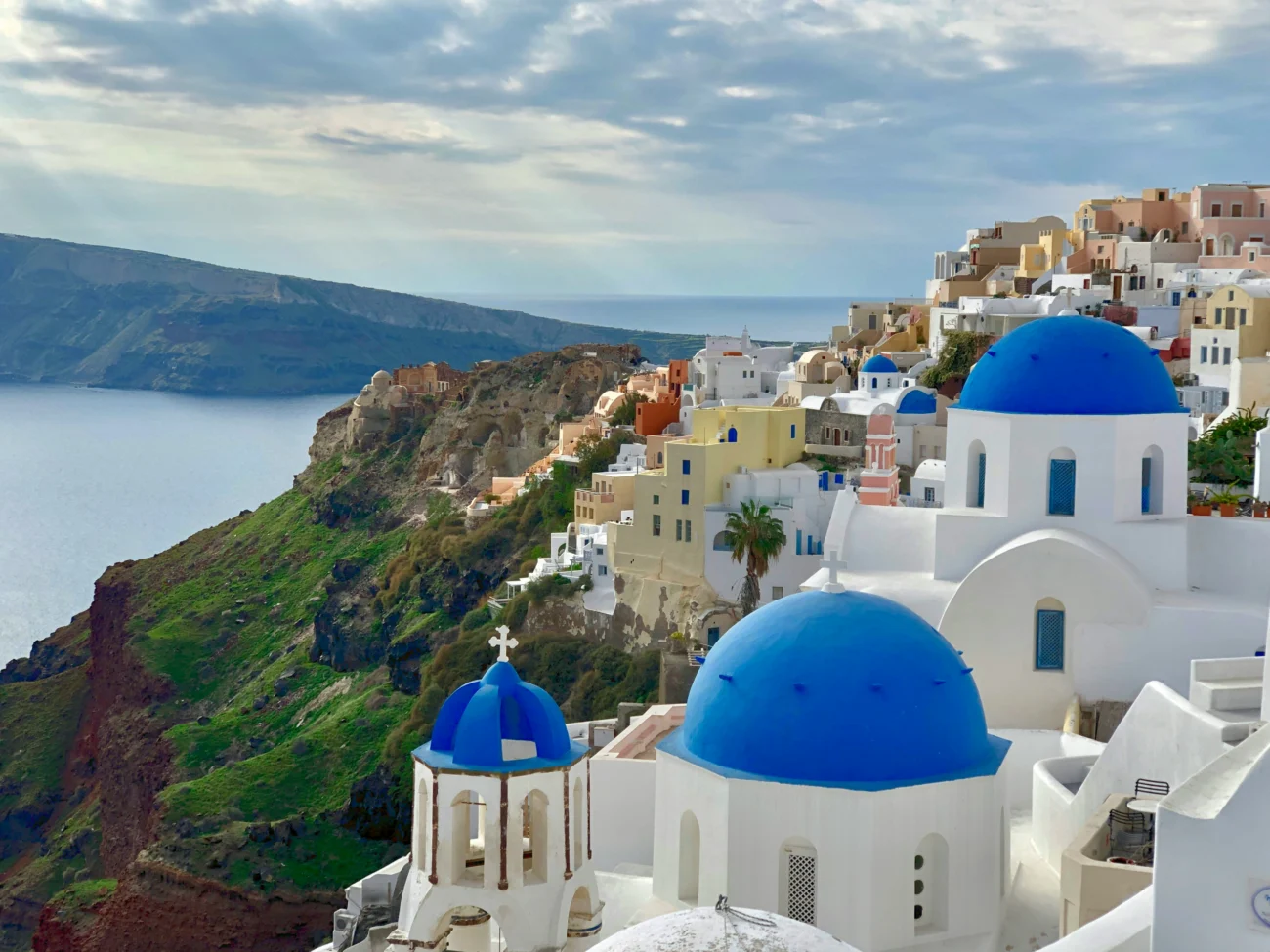
Historic and cultural sites near Mylopotas include the old town of Chora, which sits just above the beach. The traditional whitewashed buildings with blue shutters, narrow winding streets, and authentic Greek atmosphere of Chora provide a striking contrast to the cosmopolitan beach environment. Several blue-domed churches dot the Chora skyline, and wandering the old town offers opportunities to discover local restaurants, cafés, and shops. An amphitheatre overlooking Mylopotas Bay sits above the beach, reached by a fifteen-minute walk from Chora, offering panoramic views and a peaceful spot to watch sunset over the bay and across to Sikinos island.
The nearby island of Sikinos lies clearly visible across the water from Mylopotas Beach. On exceptionally clear days, the island features prominently in views across the bay and in photographs. Boat tours and water taxis operate from the beach, allowing day trips to Sikinos and other nearby islands for those seeking additional exploration.
Day trip combinations are possible through organised boat tours operating from Mylopotas Beach. Speedboat tours allow visits to multiple beaches and nearby islands in a single day, with stops for swimming and snorkelling at various locations. Some tours include visits to hidden coves, underwater caves, and less-accessible beaches that provide alternatives to the busy main beach environment.
Is Mylopotas Beach suitable for families with young children?
Yes, Mylopotas Beach is very family-friendly. The shallow water extends far from shore, allowing children to wade safely for considerable distances. The sandy bottom provides secure footing, and the calm conditions ensure peaceful swimming. Parents consistently praise the safe swimming environment. The beach facilities include multiple restaurants catering to families, clean toilet areas, and plenty of sunbed rental options. Free beach areas also exist if you prefer to bring your own towels. Morning hours offer the most relaxed atmosphere before the party scene develops in the afternoon.
How much does it cost to rent sunbeds and umbrellas at Mylopotas Beach?
Sunbed and umbrella rental at Mylopotas Beach typically costs between ten and twenty euros per day, with most facilities charging around fifteen euros for a combination of one umbrella and two loungers. The prices on Mylopotas are considerably cheaper than comparable beaches in other Greek islands like Mykonos. Various sections of the beach offer different facilities and pricing, so you can compare options. Free beach areas exist if you prefer to bring your own towel and use personal sun protection.
What is the best time to visit Mylopotas Beach to avoid crowds?
Early June and early September offer the ideal balance of warm water and fewer crowds than peak summer months. If you must visit during July and August, plan beach time during morning hours before eleven o’clock, as the beach is significantly less busy before midday. The southern end of the beach, particularly more than halfway down from the Chora end, remains noticeably quieter even during peak season. Early morning visits provide the most peaceful experience at any time of year.
Is snorkelling good at Mylopotas Beach?
Snorkelling at Mylopotas Beach is excellent due to the crystal-clear water, abundant fish life, and rocky outcrops at both ends of the beach where fish congregate. You can snorkel directly from the beach without needing boat transfers to specialised snorkelling locations. The visibility is outstanding, and you will see colourful fish and marine life even in shallow water. Bring your own snorkelling equipment or rent it from water sports centres on the beach. The rocky areas at the beach ends are particularly rewarding for snorkelling observation.
How do I get to Mylopotas Beach from Chora?
Mylopotas Beach lies just 1.8 kilometres from Chora. The easiest method is the regular bus service, which takes about five to ten minutes and costs only a couple of euros per journey. Walking takes approximately thirty minutes depending on fitness level, though the return journey is uphill. If you have a rental car or scooter, driving provides easy access with parking available near the beach. All three options are straightforward and widely used by visitors, with the bus offering the best combination of affordability and convenience.