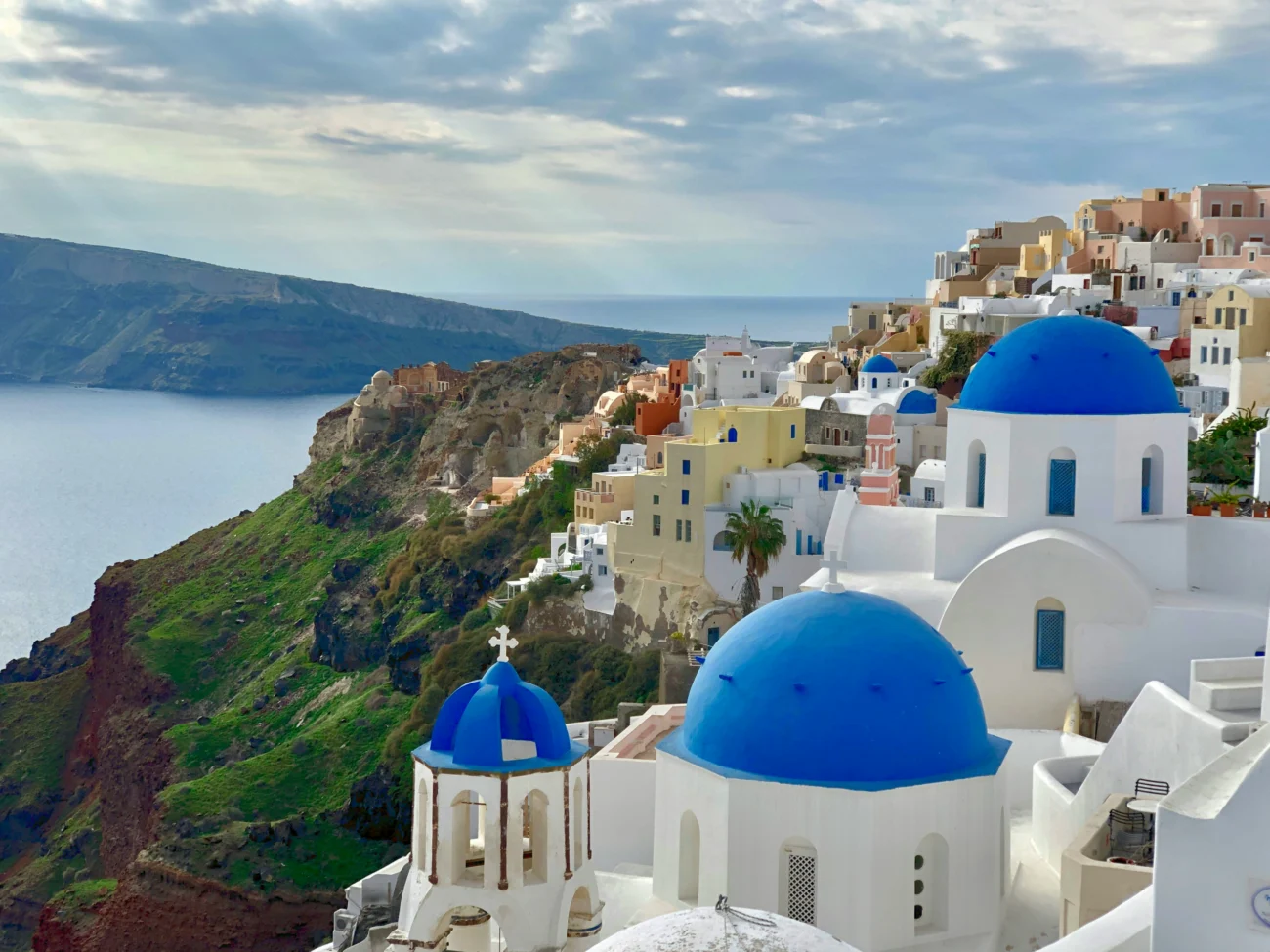
Gramvoussa Island Beach stands as one of the most untouched and spectacular coastal destinations in the Cyclades. Located on an uninhabited island off the southern tip of Amorgos, this remote paradise offers visitors the rare opportunity to experience true island isolation combined with some of the clearest turquoise waters in Greece. Whether you are seeking solitude, adventure, or simply pristine natural beauty, Gramvoussa Island Beach delivers an unforgettable experience that feels worlds away from the tourist crowds.
Table of Contents
Beach Type and Experience
Gramvoussa Island is home to two main beaches, both featuring powdery white sand mixed with areas of fine pebbles. The beaches stretch generously along the island’s protected coves, offering plenty of space for visitors to find their own peaceful corner even during peak season. Unlike many organised Greek beaches, Gramvoussa maintains its wild, untamed character with minimal development and no commercial establishments.
The beach composition varies slightly between the two main areas, with some sections offering softer sand for comfortable lounging and other spots featuring smooth stones and rocks that require water shoes for comfortable wading. Most visitors find the sand pleasant enough for barefoot walking, though it is wise to bring water shoes for entering the sea as rocks are present in certain areas.
Gramvoussa attracts a unique mix of visitors who value authenticity and natural beauty over creature comforts. The island sees fewer crowds than nearby beaches, with most visitors arriving on daily boat excursions from Kalotaritissa. This means the beach tends to be quietest early in the morning before boat loads of visitors arrive, making sunrise an excellent time to experience the island’s true character.
The beach is entirely family friendly in terms of safety and water conditions. The sandy entry slopes gradually and the shallow water areas allow children to paddle comfortably. However, families need to understand that facilities are completely absent on the island. There are no lifeguards, no changing facilities, and no toilets, so parents must be vigilant and prepared with all supplies needed for the day.
No nudism is practised on Gramvoussa Island Beach. The island is protected under Natura 2000 environmental regulations and overnight camping or stays are strictly prohibited, which helps preserve its pristine character. Visitors should respect these protections by taking all rubbish with them and minimising any environmental impact.
Wheelchair access is not available on Gramvoussa Island. The boat landing requires a short walk across sand and rocks, and there are no paved pathways or adapted facilities on the island. The terrain is entirely natural and unmodified, making it unsuitable for wheelchair users or those with mobility limitations.
Water Quality and Conditions
The waters surrounding Gramvoussa Island are absolutely spectacular. The sea displays a stunning turquoise colour that rivals even the most famous Greek beaches. The clarity is exceptional, allowing visitors to see the sandy bottom and marine life at depths of several metres. This exceptional water quality makes Gramvoussa perfect for snorkeling and underwater photography.
Water temperature follows the seasonal pattern of the Aegean Sea. The ideal swimming season runs from June through September when the water reaches comfortable temperatures. June offers pleasant swimming conditions with average water temperatures around 22 degrees Celsius (72 Fahrenheit). July brings slightly warmer water at approximately 24 degrees Celsius (75 Fahrenheit). August is the warmest month with average temperatures reaching 24.5 degrees Celsius (76 Fahrenheit), with maximum temperatures occasionally hitting 27 degrees Celsius (81 Fahrenheit). September remains warm and pleasant at around 24 degrees Celsius (75 Fahrenheit), making it an excellent time to visit. May and October offer cool but swimmable conditions, though many visitors find the water a bit chilly for extended swimming sessions.
The underwater environment is rich with marine life and interesting features. The seabed near the beaches features rocks, small caves, and crevices that create habitat for various fish species. Octopuses, moray eels, sea bass, damselfish, and colourful wrasses inhabit these waters. Snorkelers may occasionally spot sea turtles, particularly loggerhead turtles, which occasionally pass through these waters. The underwater rock formations and small caves near the shore make for excellent snorkeling opportunities accessible directly from the beach.
Gramvoussa Island sits in a protected position that shields it from the Meltemi wind, the dry northerly wind that blows across the Aegean during summer months. Because of this sheltered geography, the beach experiences calm waters and rarely rough seas. This makes Gramvoussa significantly more enjoyable on windy days when other exposed beaches in the Cyclades become choppy and uncomfortable.
Wave conditions are typically gentle and suitable for swimming and relaxation. Water entry difficulty is minimal, with smooth sand and gradually sloping entry into deeper water. The main safety consideration involves watching for rocks and uneven terrain on the seabed in certain areas, which is why water shoes are recommended. There are no dangerous rip currents, extreme wave conditions, or other serious hazards. The protected nature of the bay means even nervous swimmers can feel confident in the calm conditions.
Accessibility and Getting There
Gramvoussa Island is accessible only by boat, which contributes significantly to its unspoilt character. This is not a beach for spontaneous visits or last minute decisions. All visits must be planned around boat schedules.
The boat service operates daily from Kalotaritissa Beach, located on the southern coast of Amorgos. Regular transfer boats depart hourly throughout the day, with services typically running from 11:00 AM to 7:00 PM, though schedules may vary seasonally. The journey from Kalotaritissa to Gramvoussa takes approximately 15 to 20 minutes, offering beautiful views of the coastline during the crossing.
The boat fare is very affordable, typically costing around 3 euros per person for the short transfer ride. This minimal cost makes visiting Gramvoussa an inexpensive add-on to a day at Kalotaritissa Beach. Return boats depart regularly throughout the day, with final departures typically occurring around 6:00 or 7:00 PM.
To reach Kalotaritissa Beach and access the boat service, visitors must first travel to Amorgos Island. The ferry to Amorgos arrives at Katapola Port, the main ferry terminal. From Katapola, Kalotaritissa Beach is located on the southern tip of the island, approximately 35 minutes away by car along the well-maintained Kato Meria Road. The road is not difficult to navigate and presents no serious challenges for standard vehicles.
Parking at Kalotaritissa is readily available. A small parking area sits above the beach, and during off season or early morning hours, finding a space is easy. During peak summer season in August, arriving early is advisable. Parking is free, and there are no fees associated with using the beach or boat dock.
Once arriving at Gramvoussa by boat, there is a short walk of approximately five minutes across sand and rocks to reach the main beaches. This walk is manageable for most visitors but requires appropriate footwear. The terrain is natural and uneven, with no paved pathways or handrails.
The journey from Athens to Gramvoussa requires coordination between ferry services and boat transfers, typically taking a full day. Those flying into Crete can drive to Kissamos in western Crete to access larger organised boat tours to Gramvoussa and Balos Lagoon, which is a different Gramvoussa located in the Crete region (not Amorgos).

Facilities and Amenities
Understanding the facilities situation is absolutely critical for planning a successful visit to Gramvoussa Island Beach. The island has virtually no tourist infrastructure, which is precisely what makes it special but also requires thorough preparation.
There are no cafés, bars, restaurants, or tavernas on Gramvoussa Island. Visitors cannot purchase food, drinks, ice cream, or any other refreshments once on the island. This is by design, as the island is protected under Natura 2000 environmental regulations that restrict commercial development to preserve the ecosystem.
Sunbeds and umbrellas are not available for rent on the island. There is no shade structure of any kind. The only natural shade comes from a few scattered tamarisk trees that grow near the beaches, but they provide minimal coverage and shade is strictly limited. Visitors intending to spend extended time on the beach must bring their own parasol or beach tent for sun protection.
There are no toilet facilities on the island. This is perhaps the most significant limitation and something visitors must plan around carefully. It is impossible to overstate the importance of using facilities before boarding the boat at Kalotaritissa.
Changing facilities and showers do not exist on Gramvoussa. Visitors must change into swimming clothes before arriving or come in swimwear under their clothes.
Fresh water is completely unavailable on the island. There are no water fountains or water stations. Visitors must bring all drinking water needed for their time on the island.
What visitors can obtain is minimal food and water from the bars located on the excursion boats themselves. Boats typically carry basic refreshments and can sell drinks and snacks to visitors, though selection is limited and pricing is higher than you would pay on land. This should not be relied upon as a primary food source.
The lack of facilities makes Gramvoussa suitable only for visitors who are prepared to be completely self sufficient. This is genuinely a case where you must bring everything you anticipate needing for the entire day.
Activities and Special Features
Snorkeling is the primary water activity at Gramvoussa Island Beach. The crystal clear water, rocky underwater terrain, and abundance of marine life make this an exceptional snorkeling destination. The snorkeling areas are accessible directly from the beach, requiring no special boat trips or arrangements. Simply wade into the water with snorkeling equipment and begin exploring. The water clarity means you can see interesting underwater features and marine life from the very edge of the beach. Small fish, octopuses, and other sea creatures are regularly spotted. The rocks and small cave formations near shore create interesting underwater landscapes to explore.
Diving is possible at Gramvoussa but requires advance arrangement and professional operators. Visitors interested in diving should contact diving centres in Amorgos before their visit to arrange guided dives.
Photography opportunities are exceptional at Gramvoussa Island Beach. The white sand, turquoise water, and dramatic island landscape create stunning visual compositions. Morning light is particularly beautiful for photography, as the sun illuminates the water and beach from the side, creating golden tones and interesting shadows. The rocky outcrops and tree covered areas offer compositional variety. Those interested in marine photography will find the clear water perfect for underwater shots of fish and rock formations.
Hiking and exploring the island is possible and encouraged. Visitors can walk along the shoreline discovering small coves and swimming spots. The terrain is rough and rocky in places, so sturdy shoes are necessary. There is also a hiking trail that leads upward toward the higher parts of the island, offering panoramic views over the Aegean Sea and back toward Amorgos.
The island contains several points of cultural and historical interest. A small chapel dedicated to St. George sits near one of the beaches, adding a spiritual element to the island’s character. The chapel is simple but charming, reflecting traditional Cycladic religious architecture.
A shipwreck rests on the shore near the eastern corner of the main beach, serving as the island’s most distinctive feature. This rusted vessel, abandoned many years ago, has become integrated into the natural landscape and is photogenic from above or as seen in the water while snorkeling. The shipwreck represents both the island’s pirate history and its current wild character.
Practical Information
The best time to visit Gramvoussa Island Beach depends on your priorities. For warm water and comfortable swimming conditions, visit between June and September. August offers the warmest water but also sees the highest number of tourists arriving on daily boats. July is slightly quieter than August while still offering excellent swimming conditions.
April and May bring lower tourist numbers and pleasant spring weather, though water temperatures are cooler (around 22 degrees Celsius / 72 Fahrenheit). September and October remain warm with fewer crowds than summer months, making them excellent times to visit for those who prefer a quieter experience.
What to bring is absolutely essential to plan properly for Gramvoussa Island. The single most important item is high SPF sunscreen. The Aegean sun is intense and there is virtually no natural shade on the beach. Reapply sunscreen frequently, particularly after swimming. Sunglasses, a hat, and a long sleeved beach cover up offer additional sun protection.
Bring plenty of fresh water. Aim for at least two litres per person, and more if you plan to spend eight or more hours on the island. The hot sun and salty sea air create thirst quickly.
Pack snacks and food for the entire day. Bring items that travel well and do not require refrigeration. Nuts, fruit, bread, cheese, and other simple foods work well. Avoid items that melt easily or spoil in heat.
Bring a towel, swimwear, and a change of clothes. A lightweight beach cover up for between swimming sessions helps protect skin from sun exposure.
Include water shoes or sandals with good grip, as rocks in the water and on shore require protective footwear.
A parasol, beach tent, or pop up shade structure is nearly essential unless you enjoy intense sun exposure. The lack of natural shade makes some form of shade crucial for comfortable beach time.
Snorkeling equipment is worthwhile bringing if you own it, though basic rental snorkels are readily available from beach vendors in other locations. Bringing your own means you have equipment exactly as you prefer it.
A waterproof bag or dry bag protects valuables from salt water and sand.
Consider bringing a small first aid kit, insect repellent, and any personal medications needed.
Footwear requirements involve wearing water shoes or sandals with secure straps for traversing rocky areas and entering the sea. Bare feet are not recommended due to the rocks. Even on the sandy sections, keeping water shoes on protects feet from occasional sharp rocks or shells.
Crowds at Gramvoussa follow a predictable pattern. The beach is quietest in the early morning hours before the 11:00 AM boat departures begin. From 12:00 PM to 3:00 PM, the island experiences its heaviest visitor numbers as boats have brought day trippers. The beach becomes noticeably quieter after 4:00 PM as visitors begin returning to Kalotaritissa. Those seeking a peaceful experience should visit early morning or wait until late afternoon.
Food and drink costs are simply not applicable on Gramvoussa since no facilities exist. This actually represents excellent value for money compared to other Greek beaches. You pay only for boat transportation (approximately three euros), and there are no inflated beach bar prices or resort fees. The only food and drink costs are whatever you choose to bring or purchase before boarding the boat.
Safety and Warnings
Sun exposure is the primary safety concern at Gramvoussa Island Beach. The lack of shade, the reflection off white sand and turquoise water, and the intense Mediterranean sun create extreme UV exposure. Sunburn can develop rapidly, and heat exhaustion is a genuine risk if water intake is insufficient. Apply broad spectrum SPF 50+ sunscreen generously and reapply every two hours and after swimming. Wear a hat and consider a rash guard or beach cover up.
Water entry hazards involve rocks present in certain areas of the seabed. Shuffle your feet or wear water shoes when entering the sea to avoid stepping on sharp rocks or accidentally stubbing toes. The rocks are not widespread and do not present extreme hazard, but awareness prevents injury.
The Meltemi wind, while generally not affecting Gramvoussa due to its sheltered position, can occasionally blow more strongly than usual. Weather conditions can change, so check local forecasts before visiting. Gramvoussa’s protected bay means it is generally unaffected by wind that troubles other exposed beaches.
Wave conditions are calm the vast majority of the time, but on rare occasions rough seas can develop. If weather forecasts predict strong winds or rough seas, consider postponing your visit or choosing an alternative activity.
Rocky terrain on the approach to the beach and surrounding the island requires appropriate footwear and careful movement. The boat landing area involves stepping from the boat onto sandy rocks. Operators assist elderly or unsteady passengers, but self sufficiency is generally assumed. The walk to the main beaches involves uneven terrain.
Nudism is not practised or permitted on Gramvoussa Island. The island is a protected natural area and family beach. Visitors should respect this and maintain appropriate clothing throughout their visit.
The complete absence of facilities creates safety considerations. With no toilets, drinking water, shade, or emergency services available, visitors are entirely responsible for their own well being. Those with medical conditions requiring specific facilities or medications should ensure they have everything needed for a full day of self sufficiency.
Special Attractions and Nearby Points of Interest
Gramvoussa Island itself contains the most significant attraction: the exceptional beach and pristine natural environment. The shipwreck adds historical and visual interest, and the St. George Chapel provides cultural context.
Kalotaritissa Beach, your launching point for reaching Gramvoussa, deserves exploration time. This sheltered bay features warm calm waters and is ideal for a relaxing beach day. A small beach café operates there, and sunbeds are available for rent. Hiking trails lead from Kalotaritissa to elevated viewpoints overlooking both the bay and Gramvoussa Island, offering spectacular photography opportunities.
The Amorgos Shipwreck lies near Liveros Beach on Amorgos Island, featured in the movie “The Deep Blue.” This is accessible as a separate day trip and makes an interesting pairing with a Gramvoussa visit.
Nikouria Island, located near Amorgos, offers another uninhabited island experience and is accessible by boat for snorkeling excursions. The waters surrounding Nikouria are rich with marine life including octopuses, fish, and occasionally sea turtles.
The Hozoviotissa Monastery, the second oldest monastery in Greece, clings dramatically to the cliffside on the main island of Amorgos. This 11th century structure creates a stunning visual impression and can be visited as a day trip from your accommodation. The monastery is still active, with monks maintaining the spiritual traditions of centuries past.
The villages of Amorgos, including Chora and Katapola, offer traditional Cycladic architecture, local restaurants, and shops. Exploring these settlements provides cultural context and opportunities to taste local cuisine and meet local people. Many visitors find the contrast between Gramvoussa’s pristine wildness and the charming village life enriching.
What makes Gramvoussa Island Beach unique compared to other Cycladic beaches?
Gramvoussa Island Beach stands out because it is located on an uninhabited, protected island with virtually no tourist development or commercial facilities. This creates genuine isolation and pristine natural beauty that is becoming increasingly rare in the Cyclades. The combination of white sand, crystal clear turquoise water, protected bay conditions, and minimal crowds makes it special. Unlike many Greek beaches that have become commercialised with sun lounger rows and beach bars, Gramvoussa remains wild and untouched.
Is Gramvoussa Island Beach suitable for families with young children?
Gramvoussa Island Beach is suitable for families in terms of water safety and beach conditions, but only if families are fully prepared. The shallow sloping entry, calm protected waters, and sandy beach make the swimming environment child friendly. However, the complete absence of facilities including toilets, changing rooms, water, food, and shade requires families to be completely self sufficient. Parents must bring everything needed for the entire day, including frequent snack breaks and constant sun protection. Families with young children who require frequent bathroom access may find Gramvoussa challenging.
What should I absolutely not forget to bring to Gramvoussa Island Beach?
The items you absolutely cannot forget include high SPF sunscreen (the sun is intense), plenty of fresh water (at least two litres per person), food for the entire day, and a hat for sun protection. A parasol or pop up tent for shade is nearly essential given the lack of trees. Water shoes are strongly recommended. A towel and complete change of clothes are necessary. Without these items, your visit will be uncomfortable or potentially unsafe. Many visitors underestimate the sun intensity and water access needs, so err on the side of bringing too much rather than too little.
How far in advance must I plan to visit Gramvoussa Island Beach?
Gramvoussa Island Beach does not require advance booking or reservation. Boats depart regularly on hourly schedules throughout the day from Kalotaritissa Beach. Simply arrive at Kalotaritissa, walk to the boat dock, and board when a boat is scheduled to depart. This flexibility makes Gramvoussa accessible for spontaneous visits. The only advance planning needed is arranging your accommodation in Amorgos and transportation to Kalotaritissa Beach.
What is the best time of day to visit Gramvoussa Island Beach for the quietest experience?
The early morning hours between 11:00 AM and 12:00 PM, immediately after the first boat departs from Kalotaritissa, offer the quietest conditions. The late afternoon after 4:00 PM as day trippers begin returning to Kalotaritissa also provides a peaceful experience. Visiting on weekday rather than weekend increases your chances of having more solitude. September sees fewer visitors than the peak months of July and August, so timing your visit for autumn offers more quiet beach time.