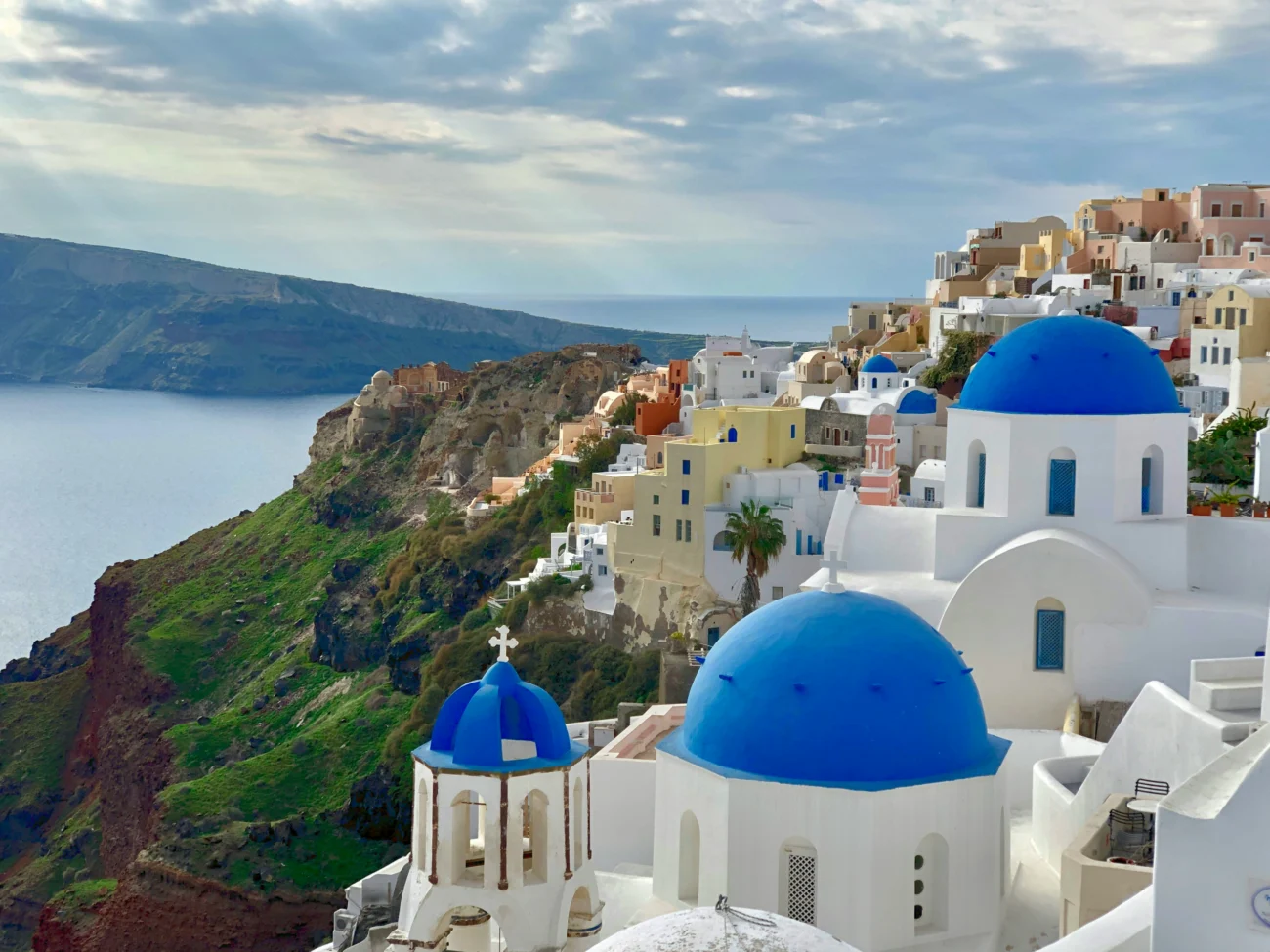
Quick facts
Best subject: Kolona Beach, a narrow sandbar connecting the main island to a small peninsula, with a turquoise bay on either side.
Best sunset spot: Merichas harbour, the island’s main port.
Best season for photography: May, June and September, for clear light and easier access to Kythnos’s quieter, less developed corners.
Golden hour: the standard 45 minutes or so before sunset suits Merichas well. Loutra’s thermal pools are worth photographing earlier in the day, when the light picks out the mineral colours in the rock.
Getting around: Kythnos has very little dedicated infrastructure compared with most Cyclades islands, so see getting around Kythnos, the bus timetable and taxi options before you plan a full day of shooting.
Is Kythnos worth visiting for photography
Kythnos is one of the least developed islands in the Cyclades, and that is precisely its appeal for photography, genuinely quiet villages, a real working thermal spa tradition going back to antiquity, and one of the most striking beaches in Greece in Kolona, all with a fraction of the visitors you would find on a bigger island.
Best photo spots in Kythnos
1. Kolona Beach. A narrow sandbar of golden sand connecting the main island to a small peninsula, with a turquoise bay on either side, widely regarded as one of the most beautiful beaches in Greece. We do not yet have a dedicated page for this spot.
2. The Panagia Kanala church. A clifftop pilgrimage church above the village of Kanala, home to a seventeenth century icon that, according to local legend, was found by a fisherman rather than placed there. Read more in our Kanala village guide.
3. Loutra’s thermal springs. Twin natural hot springs known since antiquity, popular enough to draw King Otto and Queen Amalia of Greece in the nineteenth century, with the original royal bathhouse still standing beside the modern spa and the natural pools along the shore. Read more in our Loutra village guide.
4. The Katafyki Cave, Dryopida. The largest cave in the Cyclades, with a natural passage running about 600 metres plus an artificial gallery cut for ore extraction, close to the island’s former capital. Read more in our Dryopida village guide.
5. Merichas harbour. The island’s main port, a working harbour that grew out of Dryopida’s old seaport into Kythnos’s principal arrival point. Read more in our Merichas village guide.
Best time of day to photograph Kythnos
Merichas harbour is the most reliable sunset spot, with the boats and the hillside behind them catching the last of the light.
Loutra’s thermal pools and the rock around them tend to photograph better earlier in the day, when the sun is higher and picks out the mineral colours more clearly, and Kolona is worth visiting across a full day if you can, since the colour of its 2 bays changes noticeably with the angle of the light.
Best season for photography in Kythnos
May, June and September give you the clearest water at Kolona and the most comfortable conditions for the walk out to the Katafyki Cave.
July and August bring the strongest light along with the meltemi wind, which can add a real chop to the water on the more exposed side of Kolona’s sandbar. Kythnos stays quiet even in peak season compared with better known islands, so crowding is rarely the reason to avoid midsummer here.
Practical photography tips
Check cave access before you go. The Katafyki Cave is not always open on a fixed schedule, so confirm current access and any guided tour requirements locally before planning a shoot around it.
Respect the thermal pools. The natural rock pools at Loutra are a real, still used bathing spot, so be considerate of other visitors if you are setting up a shot rather than simply passing through.
Plan for limited facilities. Kythnos has far less tourist infrastructure than most of the Cyclades, so do not assume you will find food, water or fuel wherever you happen to be between villages.
Check current drone rules before you fly. Greece follows the EU’s common drone regulations, which generally require operator registration for anything over 250 grams, and there are no fly zones around ports and religious sites such as the Panagia Kanala church. Rules can change, so check the current requirements from Greece’s Civil Aviation Authority before your trip.
Book a local photographer
If you would rather leave the camera work to a professional, a local Kythnos photographer will know the best angle on Kolona’s 2 bays, the quiet hours at the Panagia Kanala church and the right light for Loutra’s springs, far better than a first visit ever could.
Explore more of Kythnos
Getting around Kythnos · How to get to Kythnos · Kythnos bus timetable · Kythnos taxi · Kythnos map · Kythnos weather
Back to the Kythnos island guide.