
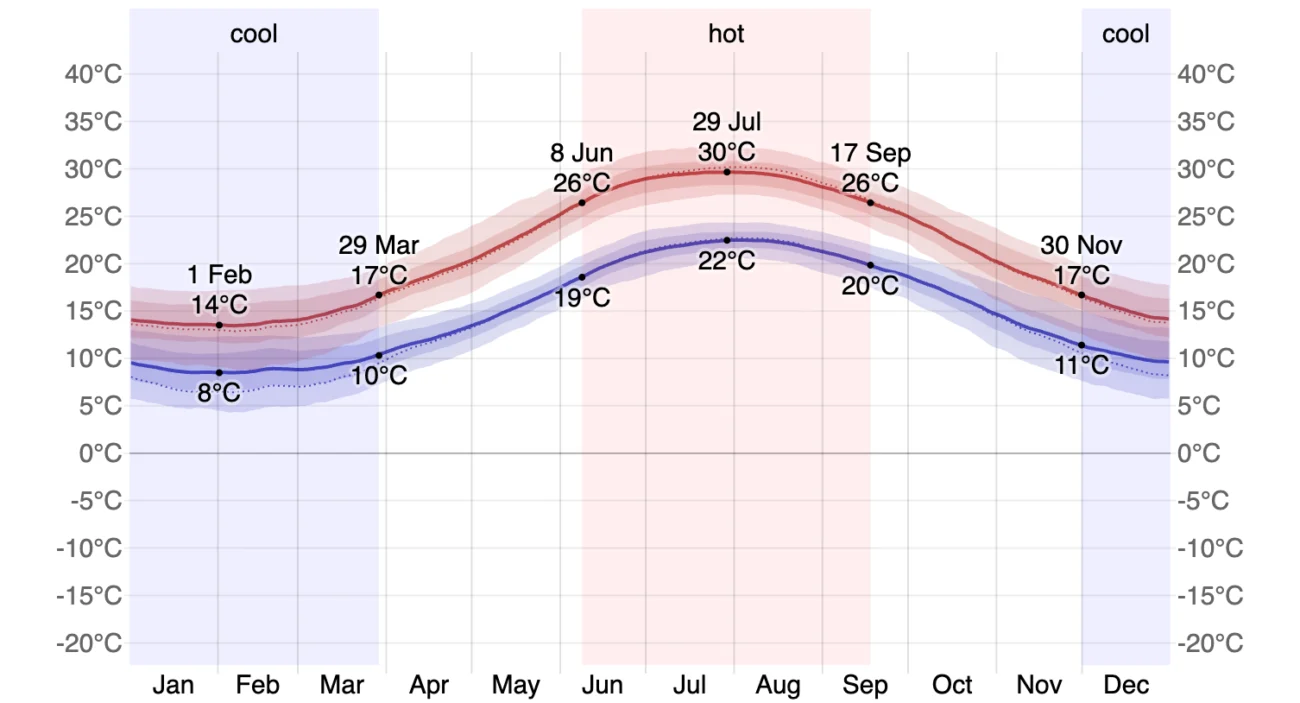
Paros experiences a classic Mediterranean climate, making it a very popular island for sun seekers. Visitors can expect hot and dry summers followed by mild and wetter winters. The warmest period runs from June to September when temperatures easily reach 25 to 30 degrees Celsius. July and August are the hottest months. During summer, rainfall is extremely rare and you will see abundant sunshine almost every day.
Winter brings cooler temperatures averaging 12 to 16 degrees Celsius, with December and January seeing the most rain. Spring and autumn provide a very pleasant middle ground, offering warm days without the intense summer heat.
Understanding the climate on Paros is important because the weather directly affects what you can do. Strong summer winds can change sea conditions, while spring brings ideal hiking temperatures.
Paros Weather at a Glance
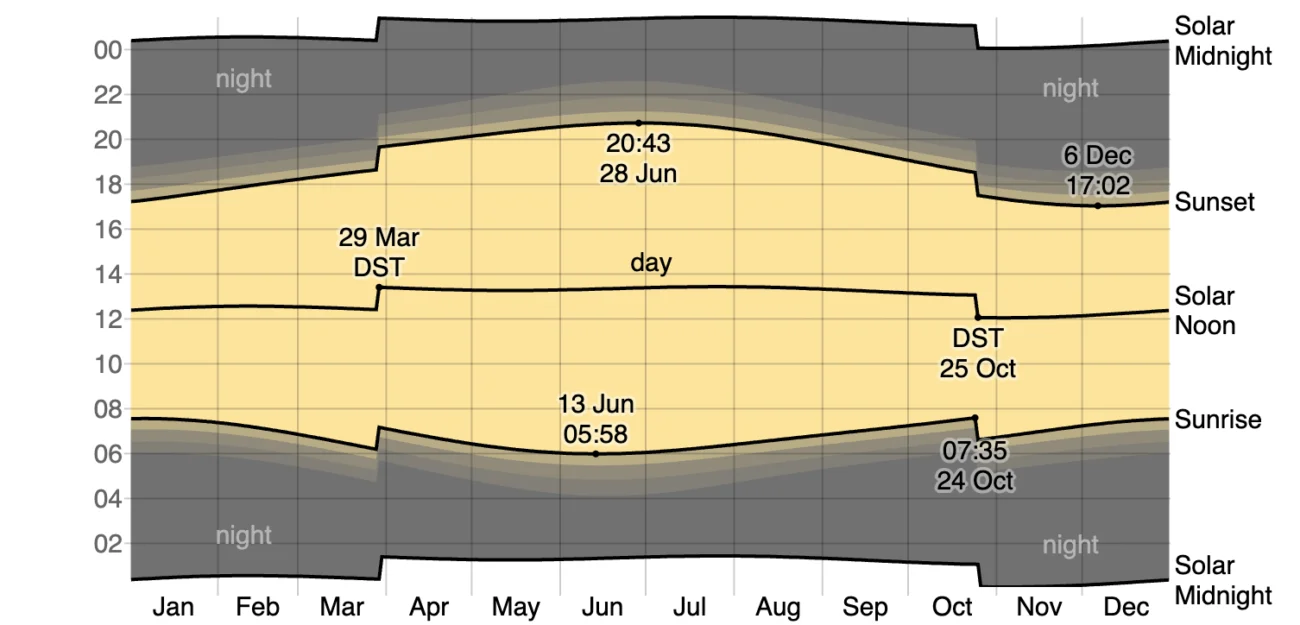
The climate on Paros changes noticeably throughout the 12 months. The hottest weather arrives in July and August, when daytime temperatures frequently exceed 30 degrees Celsius. The coolest weather happens in January and February, when temperatures can drop to 9 degrees Celsius at night.
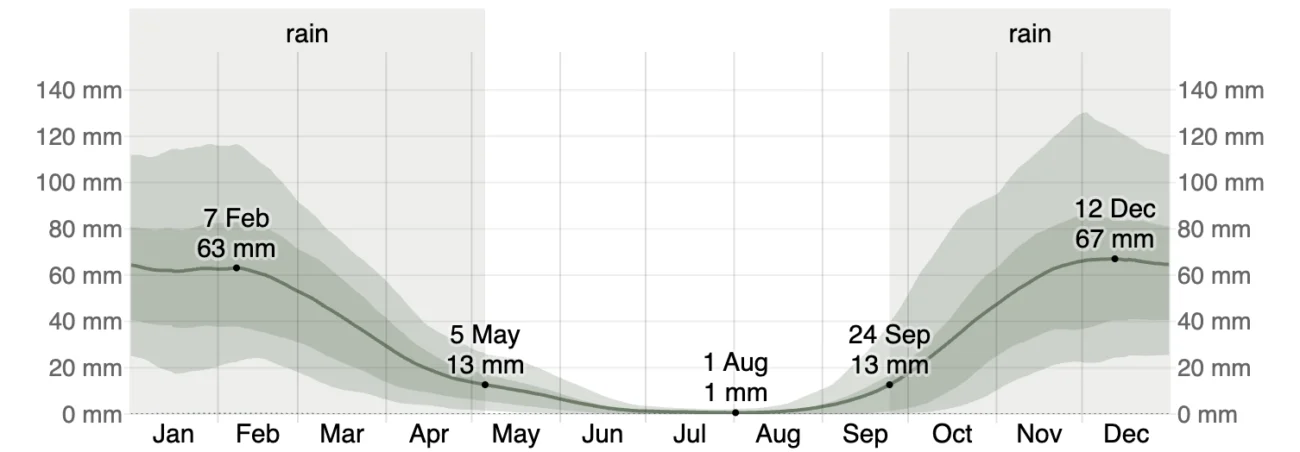
If you want to avoid rain, summer is the ideal time. June, July and August are the driest months, often recording 0 millimetres of rainfall. Conversely, December and January are the wettest months, averaging around 71 millimetres of rain. The island is sunniest during July, boasting exceptionally clear skies.
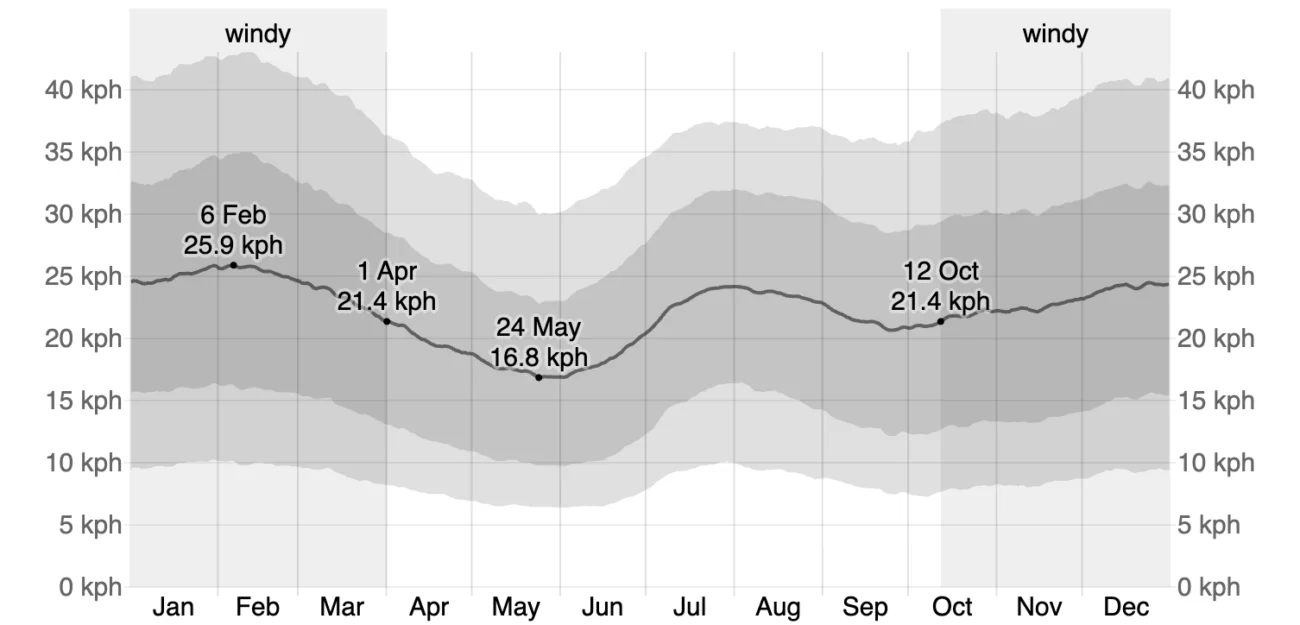
Winds can be strong on Paros. The famous summer winds are strongest in July and August. The main swimming season begins in late May when the sea warms up, and lasts until late October.
| Month | Typical conditions | What it is good for |
|---|---|---|
| January | Cool and wet | Quiet local life |
| February | Cool with some rain | Coastal walks |
| March | Mild and improving | Early spring hikes |
| April | Warm and sunny | Sightseeing and walking |
| May | Very warm | Early beach days |
| June | Hot and dry | Swimming and sunbathing |
| July | Very hot and windy | Windsurfing and beaches |
| August | Very hot and windy | Water sports |
| September | Warm and calm | Swimming and exploring |
| October | Mild and pleasant | Late season swimming |
| November | Cool and unsettled | Exploring villages |
| December | Cool and wet | Experiencing winter culture |
Paros Weather by Month
January
January is 1 of the coldest and wettest months on Paros. Daytime temperatures average 14 degrees Celsius, dropping to 9 degrees Celsius at night. You can expect around 71 millimetres of rain over 9 days. Sunshine is limited, and the skies are often cloudy. The sea temperature is too cold for swimming. This is a very quiet period on the island, with most tourist businesses closed. It suits travellers who want to see authentic local life without the crowds. Indoor activities and short coastal walks are best during this month.
February
February remains cool and unsettled. Temperatures stay around 14 degrees Celsius during the day and 9 degrees Celsius at night. Rainfall decreases slightly to 59 millimetres, but you will still see showers. The skies begin to clear slightly towards the end of the month. The sea remains cold, so beach days are not possible. Like January, February is very quiet and mostly free of tourists. Visitors can enjoy exploring the main villages like Parikia and Naoussa, which return to their traditional rhythms.
March
March brings the very early signs of spring to Paros. Average daytime temperatures rise to 16 degrees Celsius, making the days feel noticeably warmer when the sun shines. Rainfall drops to 50 millimetres. The island turns green, and wild flowers begin to bloom. The sea is still too chilly for most swimmers at 15 degrees Celsius. This month is excellent for hiking the ancient marble paths or exploring the inland village of Lefkes. Tourist facilities slowly start preparing for the upcoming season.
April
April sees a significant shift towards warmer weather. Temperatures reach 19 degrees Celsius during the day, and rain becomes rare, with only 18 millimetres expected. The days are longer and much sunnier. While the sea is still cool at 16 degrees Celsius, you might see a few brave swimmers. April is perhaps the best month for outdoor activities like hiking and sightseeing. You can explore the ruins and villages comfortably without overheating. The island starts to wake up, and early visitors arrive for the Easter celebrations.
May
May is a brilliant time to visit Paros. Daytime temperatures hit a very comfortable 22 degrees Celsius, and rainfall is minimal at 10 millimetres. The skies are generally clear and sunny. The sea temperature rises to 19 degrees Celsius, marking the start of the swimming season. The island is pleasantly busy but not overcrowded. May provides fantastic weather for both beach days and exploring. You can comfortably spend hours outdoors, making it a very popular month for travellers who dislike extreme heat.
June
June marks the beginning of the hot summer. Temperatures average 26 degrees Celsius during the day, occasionally reaching 30 degrees Celsius. Rain is almost 0, averaging just 3 millimetres. The sea warms up to 22 degrees Celsius, providing excellent swimming conditions. The famous summer winds start to pick up towards the end of the month. June offers a great balance of hot beach weather and manageable crowds. It is an ideal time for boat trips, sunbathing, and enjoying the outdoor tavernas in Naoussa.
July
July is the hottest and sunniest month on Paros. Daytime temperatures average 27 degrees Celsius, but often exceed 30 degrees Celsius. Rainfall is practically 0 millimetres. The sea is very inviting at 24 degrees Celsius. July also brings the strongest winds, which cool the air but can make the sea choppy. This is peak season, so the island is very busy. The weather is perfect for windsurfing at Golden Beach, swimming in sheltered coves, and enjoying the lively summer nights.
August
August continues the very hot and dry trend. Temperatures mirror July, averaging 27 degrees Celsius with highs often over 30 degrees Celsius. Rainfall remains at 0 millimetres. The sea is at its warmest, reaching 25 degrees Celsius. The strong northerly winds are highly active, providing excellent conditions for kite surfers. The heat can be intense, so sightseeing is best done in the early morning. August is the busiest month for tourism, drawing large crowds who come specifically for the reliable hot weather and warm waters.
September
September is widely considered 1 of the best months on Paros. The intense heat softens, with daytime temperatures dropping to a very comfortable 25 degrees Celsius. The summer winds usually calm down, leaving the sea smooth and glassy. The water remains very warm from the summer heat, often around 24 degrees Celsius. Rainfall is still very low at 6 millimetres. September offers perfect conditions for swimming, sailing, and relaxing on the beaches. The crowds thin out, making the island feel much more peaceful.
October
October brings mild and pleasant autumn weather. Daytime temperatures average 21 degrees Celsius, which is still warm enough for t shirts. Rainfall increases to 39 millimetres, so you might experience a few showers. The sea holds its heat well, staying around 22 degrees Celsius, meaning swimming is still very possible early in the month. The skies can be a mix of sun and clouds. October is excellent for hiking and exploring the island without the summer heat or the large crowds.
November
November marks the transition to winter. Temperatures drop to an average of 19 degrees Celsius during the day and 13 degrees Celsius at night. The weather becomes more unpredictable, with rainfall increasing to 47 millimetres over 8 days. The sea cools down, effectively ending the swimming season. Many tourist businesses close their doors for the winter. November suits visitors who enjoy walking and experiencing the quiet, authentic side of the Cyclades, though you will need to pack warmer layers and a rain jacket.
December
December is a true winter month on Paros. It is the wettest time of the year, with an average of 69 millimetres of rain. Daytime temperatures hover around 16 degrees Celsius, dropping to 11 degrees Celsius at night. The days are short and often cloudy. The island is very quiet, focusing on local life and the festive season. While you might get some crisp, sunny days, you should expect cool and damp conditions. This month is purely for those seeking a quiet winter retreat.
Wind and Meltemi
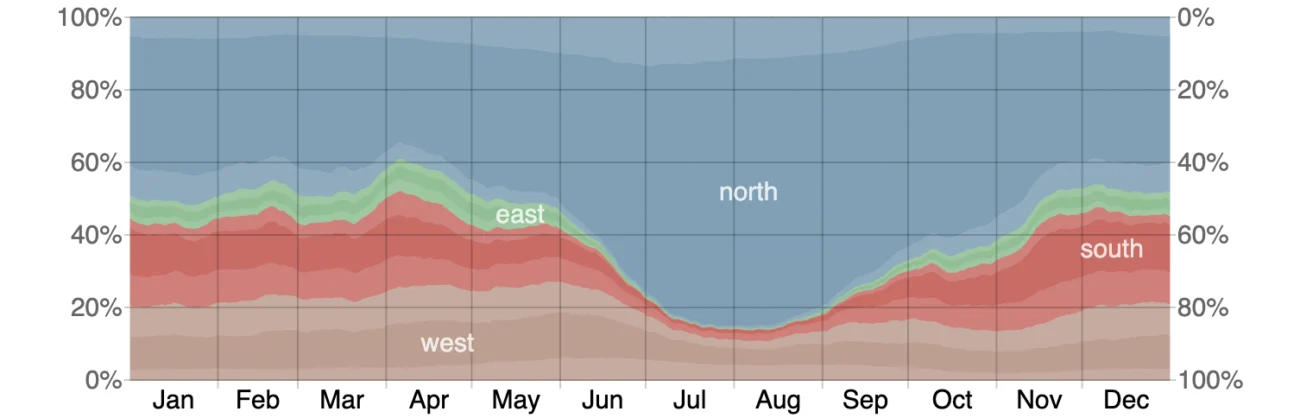
When researching Paros weather, you will frequently hear about a specific wind. The Meltemi is a strong, dry northerly wind that sweeps across the Aegean Sea during the summer months. It is a very natural and normal part of the Cyclades climate.
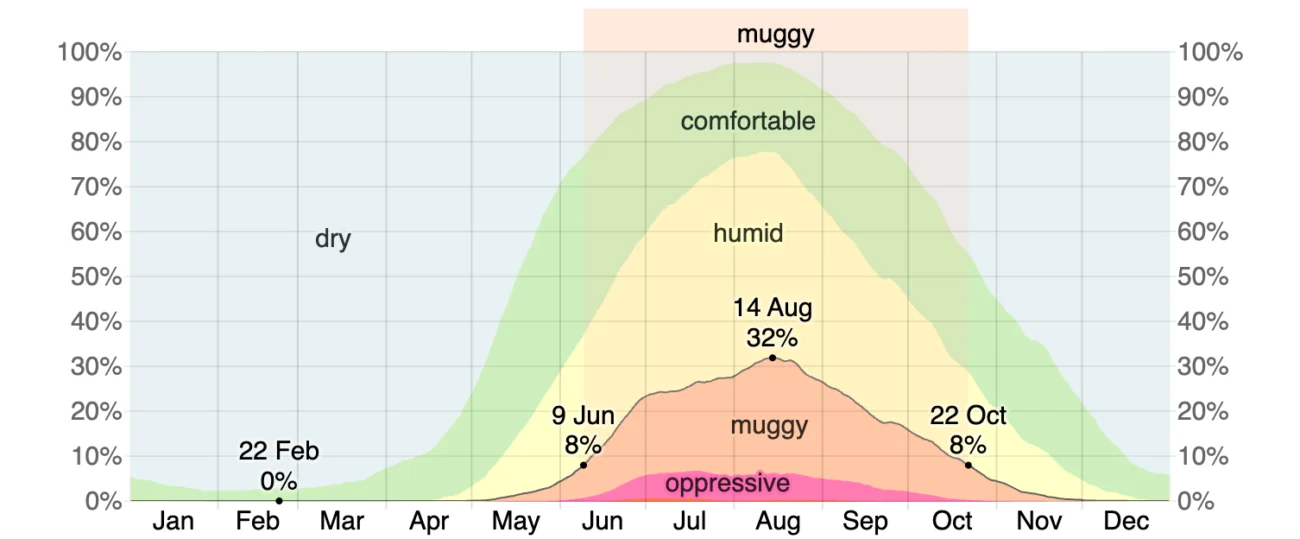
The Meltemi usually begins to blow in late June, peaks in July and August, and slowly dies down in September. On Paros, this wind brings both benefits and challenges. On very hot days, the wind acts as a natural air conditioner, preventing the island from feeling unbearably humid. However, it can blow continuously for 3 to 5 days at speeds reaching 30 to 40 miles per hour.
These strong winds can significantly affect how the weather feels. A sunny day with a temperature of 28 degrees Celsius might feel much cooler if the wind is blowing hard. Visitors are often surprised by how strong it can be.
The wind also impacts the beaches. Because the Meltemi blows from the north, beaches on the northern coast, like Kolymbithres and Monastiri, can sometimes experience choppy water. However, Monastiri is located inside a deep bay, providing some protection.
The eastern coast, including Golden Beach, receives the wind very consistently. This makes the east coast 1 of the most famous windsurfing and kitesurfing destinations in Greece. Enthusiasts from all over Europe travel here specifically for these conditions.
If you want calm water for swimming on a windy day, you should head to the south and southwest coasts. Beaches near Alyki or Faragas are often much calmer when the north wind is blowing. The island landmass blocks the wind, leaving the sea flat and clear.
The Meltemi also affects hiking. Walking in exposed areas can be tiring when facing a strong headwind, but the breeze keeps you cool on steep trails.
Ferry travel and boat trips are heavily influenced by the wind. While large passenger ferries handle the Meltemi well, smaller boats and catamarans might experience rough crossings. On very windy days, small boat tours around the island might be altered or cancelled. Travellers should always check with their ferry operators for the latest updates when conditions are rough. You should never assume your boat will sail if the wind is howling.
Weather for Activities
Beach days
For a comfortable beach day on Paros, you want temperatures above 24 degrees Celsius and plenty of sunshine. June, July, August and September provide these exact conditions. The sun is very strong during these months, making sun cream essential. When the northerly wind is blowing hard, fine sand can whip up on exposed beaches. On those days, choosing a southern beach will give you a much more relaxing experience with calmer seas and less blowing sand. It is always smart to check the wind direction before you leave your hotel. If the wind comes from the north, drive south. This simple trick ensures you will always find a peaceful spot to relax on the sand.
Swimming
The main swimming season on Paros runs from late May to October. Air temperatures are warm, and the sea temperature ranges from 19 to 25 degrees Celsius. August offers the warmest water, making it very easy to stay in the sea for a long time. Wind direction plays a massive role in swimming comfort. Northerly winds create waves on northern beaches, making swimming tiring and sometimes unsafe for small children. For easy, flat water swimming during the windy season, the southern coast provides the best natural shelter and the clearest waters. By October, the air cools down, but the sea retains its summer heat, offering brilliant swimming conditions.
Hiking and walking
The best weather for hiking is found in April, May and October. During these months, temperatures range from 18 to 22 degrees Celsius, which is cool enough to prevent overheating. The UV levels are also much lower than in summer. If you choose to hike in July or August, you must start very early in the morning, ideally before 8 am. The midday summer sun is relentless, and there is very little natural shade on the hills of Paros. Taking plenty of water is absolutely mandatory. The famous Byzantine Road between Lefkes and Prodromos is completely exposed to the sun, so tackling it during the peak heat of summer is not recommended. Autumn showers can make rocky paths slippery, so good footwear is required.
Boat trips and sailing
Boat trips require calm seas for an enjoyable experience. May, June and September typically offer the calmest waters around the island. During July and August, the strong summer winds can make sailing very choppy and sometimes uncomfortable for those prone to sea sickness. Smaller boats will rock significantly in high winds. Always check your tour operator website for the latest sailing information, as captains will adjust routes based on the daily wind direction to find the most protected coves. If a captain cancels a trip, it is strictly for your safety. Booking your boat trip early in your holiday is smart, giving you time to reschedule if the weather turns bad.
Sightseeing and photography
Exploring the tight alleys of Naoussa or the ruins of Parikia is most comfortable in spring and autumn. Temperatures around 20 degrees Celsius allow you to wander for hours without sweating. The light during May and September is particularly beautiful for photography, offering a softer golden hue. In peak summer, the intense midday sun creates harsh shadows and extreme heat, so sightseeing is best reserved for the early morning or late evening. The white buildings reflect the sun brightly, so sunglasses are necessary.
Best Time to Visit for Weather
Choosing the best time to visit Paros completely depends on what you want to do. The weather changes dramatically between spring, summer and autumn, offering different experiences for different travellers.
Best months for hot beach weather
If your priority is lying on the sand and getting a tan, July and August are the best months. During this time, Paros experiences 0 rain and endless sunshine. Temperatures easily sit between 27 and 30 degrees Celsius. You will need to tolerate the strong summer winds and larger crowds, but the guarantee of hot, sunny weather is absolute. The sea is extremely inviting and perfect for cooling down.
Best months for swimming
September is the ultimate month for swimming. The sea has spent the entire summer warming up and usually reaches a very pleasant 24 or 25 degrees Celsius. Furthermore, the strong summer winds tend to drop in September, meaning the sea surface becomes flat and glassy. June is also excellent, offering warm air and refreshing water before the winds reach their peak.
Best months for hiking
April, May and October provide the absolute best conditions for hiking the Byzantine Road and exploring the hills. The temperatures hover around a very comfortable 18 to 22 degrees Celsius. In spring, the island is green and covered in wild flowers. You can walk for hours without the risk of heat exhaustion, which is a real danger during the peak summer months.
Best months for sightseeing
May and October are ideal for sightseeing. The weather is warm enough to wear a t shirt, but cool enough that walking around archaeological sites or the marble quarries of Marathi remains enjoyable. You will also find that the streets of Parikia and Naoussa are much easier to navigate without the intense summer heat and the massive crowds.
Best months for fewer crowds and milder weather
For travellers who dislike extreme heat and busy tourist areas, late May and late September are perfect. You get the best of both worlds. The weather is still warm enough for swimming and outdoor dining, but you avoid the 30 degree highs and the packed beaches. These shoulder months offer a much more relaxed, authentic experience of the Cyclades.
Does Paros get too hot in summer?
Yes, July and August can feel extremely hot, with temperatures frequently reaching 30 degrees Celsius or more. However, the strong northerly winds usually act as a cooling breeze, making the heat feel much more manageable than in mainland Greece. You still need to avoid direct sun during the middle of the day.
Is Paros windy all year?
Paros experiences breezes all year, but the very strong northerly winds only dominate during July and August. In winter, winds can come from the south bringing rain. Spring and autumn generally have much calmer wind conditions, making them ideal for relaxed coastal exploring.
Can you swim in Paros in October?
Yes, you can absolutely swim in October, especially during the 1st 2 weeks. The sea retains the heat from the summer and usually sits around 22 degrees Celsius. The air temperature is cooler, so coming out of the water might feel chilly, but the sea itself is very pleasant.
Does it rain in Paros in summer?
Rain is incredibly rare during the summer on Paros. June, July and August usually see between 0 and 3 millimetres of rain per month. You can confidently plan outdoor activities without needing an umbrella or a rain jacket during these months.
What should I pack for Paros in May?
In May, you should pack t shirts, shorts, and swimwear for the daytime, as temperatures reach 22 degrees Celsius. However, the evenings can still drop to 15 degrees Celsius, so you must bring a light jacket or a warm jumper for dining outside at night.
Are ferries cancelled due to weather?
Yes, ferries can occasionally be delayed or cancelled due to very strong winds, particularly small catamarans. Large car ferries are rarely cancelled, but crossings can be bumpy. Always check with your ticket provider if you are travelling during a period of high wind.
Which side of Paros is least windy?
When the summer north wind is blowing, the southern and southwestern coasts are the least windy. Beaches in these areas are protected by the island landmass, offering calmer seas and less blowing sand compared to the exposed northern and eastern coastlines.
Is Paros warmer than Naxos?
Paros and Naxos are very close neighbours and share an almost identical climate. Temperatures, wind patterns, and rainfall are very similar. You will not notice any significant weather difference between the 2 islands during your holiday.
When do the beach clubs close for winter?
Most beach clubs and coastal restaurants begin closing in late September and are fully shut by the end of October. The weather cools down, and tourist numbers drop rapidly, meaning outdoor beach facilities cannot operate profitably during the winter months.
Do I need air conditioning in Paros?
If you are visiting between June and September, air conditioning is essential for a good night of sleep. Night time temperatures in peak summer stay around 22 degrees Celsius, and the air can feel warm and still inside a hotel room.