Cities, Towns & Villages in Paros
Parikia
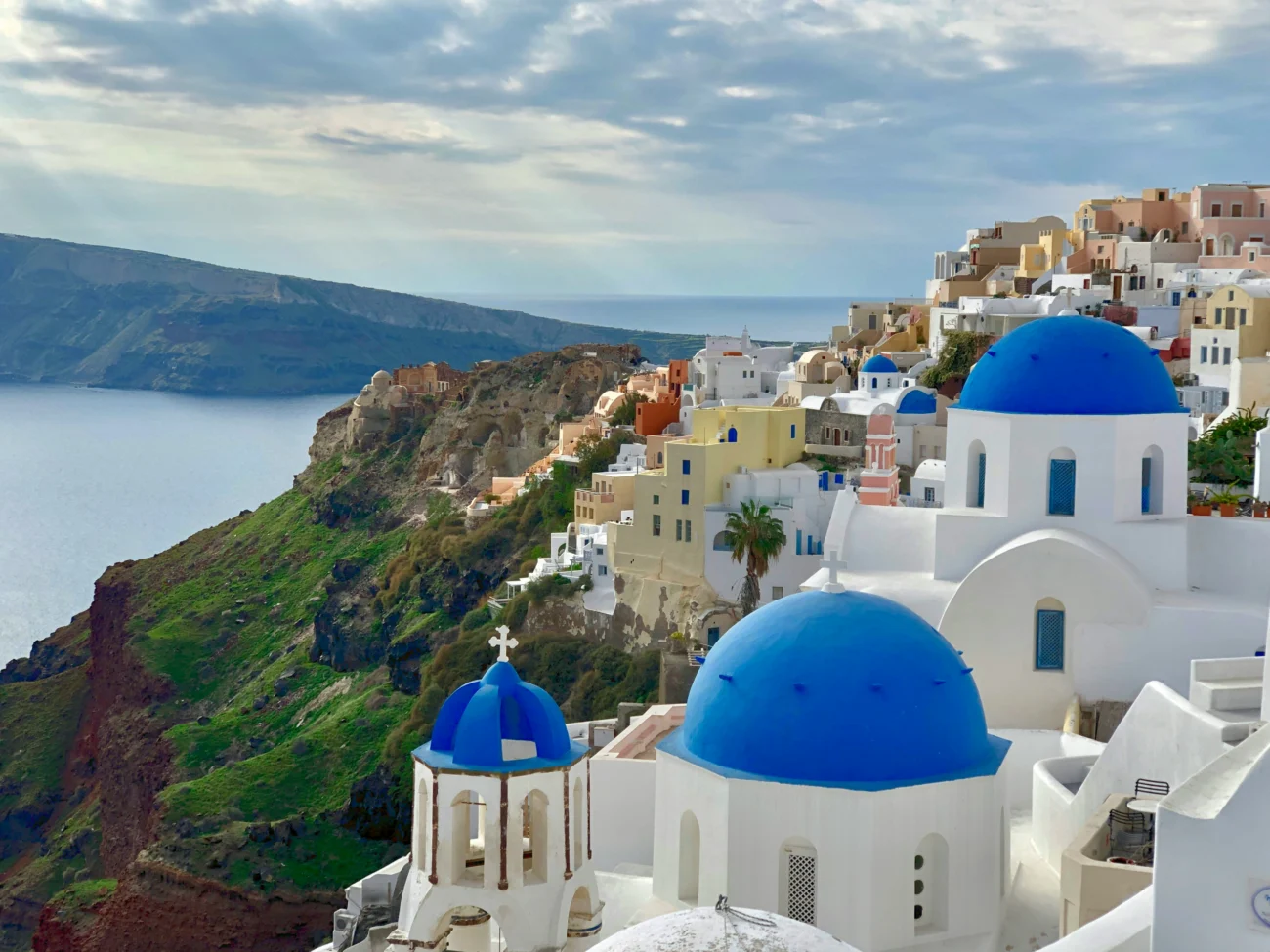
The capital and main port of Paros Island. Parikia is the most typical Cycladic settlement with narrow cobbled paths, traditional white and blue houses, old churches, and small shops. The town serves as the main hub for ferry connections and is distinguished by its vivid nightlife, waterfront restaurants, and cafes. Parikia is home to the historic Panagia Ekatontapiliani church and the Frankish Castle, making it a cultural heart of the island.
Naoussa
Located approximately ten kilometres north of Parikia, Naoussa is a picturesque fishing village that has retained its authenticity despite tourism development. This charming settlement features a beautiful harbour lined with traditional whitewashed houses adorned with colourful flowers, labyrinth-like stone paved streets, and the iconic Venetian castle watchtower illuminated at night. Naoussa is considered one of the prettiest villages in the Cyclades and serves as the second busiest tourist resort on the island with excellent restaurants, bars, and entertainment options.
Lefkes
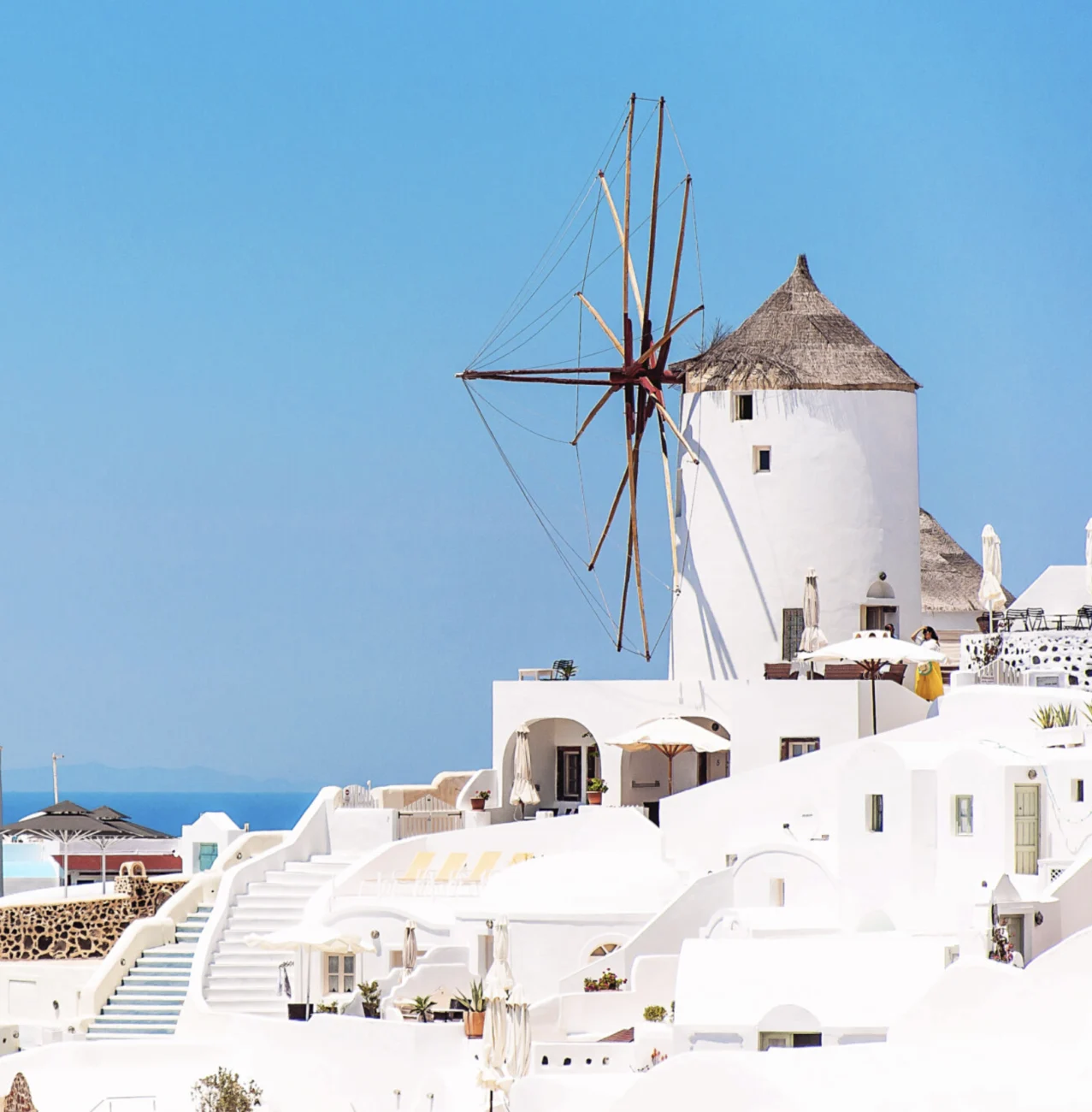
The former capital of Paros during the medieval period, Lefkes is a hidden gem nestled in the mountains of central Paros. This traditional hillside settlement stands out as the most mountainous and greenest village on the island, surrounded by pinewood forests. Lefkes showcases well preserved traditional Cycladic architecture with white washed houses, narrow winding streets, Byzantine churches dating from the fifteenth century, and beautiful windmills. The village has remained largely untouched by mass tourism, maintaining its authentic character and charm.
Marpissa
Positioned on the hill of Kefalos, approximately eighteen kilometres south east of Parikia, Marpissa is a traditional Cycladic village built amphitheatrically around the hillside. The settlement features whitewashed cubic houses, narrow streets, churches, and windmills. Marpissa is one of the few authentic villages that remains relatively unspoiled and untouched by heavy tourism, consisting mainly of small houses belonging to local residents. The village is close to some of the island’s best beaches including Logaras, Punta, Piso Livadi, Golden Beach, and Drios.
Piso Livadi and Aliki
Both are charming small fishing villages by the sea with their own ports. Piso Livadi is located a few kilometres south of Marpissa and is famous for its fine Greek cuisine and fresh seafood from local fishermen. Aliki, situated thirteen kilometres south of Parikia, is the definition of a proper fishing village with a picturesque port. Both villages have experienced increased tourist arrival in recent years but maintain their traditional character and the warmth of the local population despite the seasonal influx.
Dryos
A quiet village on the east coast offering a more relaxed atmosphere. Dryos provides access to the beautiful beaches of the Golden Coast and nearby settlements like Aspro Chorio and Glyfa.
Prodromos
A small picturesque village built in the traditional Cycladic way approximately seven kilometres south of Naoussa. Prodromos is full of whitewashed cube houses, tiny white chapels, and beautiful churches. The village is named after the seventeenth century church of Agios Ioannis Prodromos, which features interior decorations of beautiful icons.
Main Ports in Paros
Parikia Port – The main port of Paros Island and a major hub for Aegean islands ferries and catamarans. Parikia Port serves as the primary arrival and departure point with several sailings each day connecting to Piraeus (the port of Athens), Heraklion (capital of Crete), and other major Cycladic islands including Naxos, Ios, Mykonos, and Santorini. The port is well equipped with car rentals, grocery stores, cafes, and tavernas. It operates year round with frequent connections to mainland Greece and neighbouring islands.
Pounda Port – A smaller secondary port located near Pounda Beach on the east coast. This port primarily operates the Paros to Antiparos crossing with small ferries and boats that run many times daily, taking less than ten minutes for the short journey. The port is perfect for visitors who want to spend a day exploring the neighbouring island of Antiparos before returning to Paros.
Naoussa Port – A minor port in the charming northern village of Naoussa that operates local boats and ferries. This port serves as a secondary hub connected to smaller surrounding islands and coves, and is a wonderful reminder of how connected the islanders remain to their traditional way of life and fishing heritage.
Getting around Paros
Getting around Paros is straightforward thanks to a reliable public bus network, taxis, vehicle rentals and short ferry crossings, so you can explore both busy resorts and quieter villages without much difficulty. The main bus terminal is in Parikia by the port, with regular services to Naoussa, Lefkes, Piso Livadi, Golden Beach, Aliki and the airport, and in summer buses often run every 15 to 60 minutes on key routes. Tickets are inexpensive and can be bought at the terminal, in mini markets or on board, which makes buses a good option if you stay in Parikia or Naoussa and are happy to plan around fixed departure times.
Taxis operate from Parikia, Naoussa and other centres and are useful for late night journeys or direct transfers, although they cost more than buses and can be busy at peak arrival times. Many visitors choose to rent a car, scooter or ATV, as this gives them the freedom to reach smaller beaches, viewpoints and inland roads that are not well served by public transport, and driving distances between most places are under thirty minutes. You can also take short ferries, such as the crossing from Pounta to Antiparos, to add easy day trips to nearby islands.
How to get to Paros
By Ferry from Athens to Paros – The most popular way to reach Paros is by ferry from Athens. Ferries depart from multiple ports:
From Piraeus (Athens main port): High speed ferries take approximately three to three and a half hours, while conventional ferries take four to five hours. Daily sailings operate throughout the year, with increased frequency during summer months.
From Rafina (Athens secondary port on the northeast coast): Conventional ferries depart daily and take approximately three hours twenty minutes to six hours depending on the vessel type.
From Lavrio (Athens secondary port on the east coast): Weekly sailings are available, with the journey lasting just over seven hours.
By Ferry from Other Cycladic Islands – Paros is well connected to neighbouring Cycladic islands through multiple daily sailings. Popular routes include connections from Mykonos (forty minutes), Naxos, Ios, Santorini, and Sifnos. The island serves as a hub for inter island ferries, making it an ideal base for exploring the wider Cyclades.
By Air – Paros has its own airport receiving domestic flights from Athens and seasonal flights from other Greek cities and European destinations. Flying is the fastest option for international visitors but typically more expensive than ferries.
Getting Around Paros – Once on Paros, visitors can explore by renting a car, scooter, or quad bike. Local buses connect the main towns and beaches, though a rental vehicle offers greater flexibility. Taxis are available at the ports and main towns. The island measures approximately twenty two kilometres north to south and thirteen kilometres at its widest point, making it easily drivable in about thirty minutes from end to end.
More attractions in Paros
Frequently asked questions (FAQ) about Paros
What is the best time to visit Paros?
The best time to visit Paros is from May to June and September to October. These shoulder months offer warm and sunny weather with manageable crowds and reasonable prices. Late May through June provides the sweet spot with pleasant temperatures averaging around twenty five degrees Celsius, open restaurants and venues, and lighter crowds. September is also excellent with warm sea temperatures for swimming, reduced meltemi winds, and a more relaxed atmosphere whilst still offering lively evening scenes. July and August represent peak season with the hottest weather and most visitors, requiring advance bookings and higher prices, though offering the warmest water and most active nightlife. For those seeking solitude and lower costs, April, May, October and November offer pleasant weather suitable for hiking and sightseeing with significantly fewer tourists.
Is Paros suitable for families with children?
Yes, Paros is excellent for families. The island features many calm beaches with safe swimming areas and family friendly activities. Beaches like Paralia Beach and Monastiri Beach offer protected coves and shallow waters ideal for young children. Numerous beach clubs provide loungers, umbrellas, and food options. The island’s manageable size means short drive times between attractions, reducing time in cars with children. Villages like Lefkes offer pleasant walks and traditional experiences. Activities like boat tours, snorkelling, windsurfing lessons, and visits to the butterfly valley appeal to various ages. Accommodation ranges from family apartments to hotels with children’s facilities.
How many days should I spend on Paros?
A minimum of three to four days allows visitors to experience the main attractions including Parikia, Naoussa, Lefkes, and several beaches. However, five to seven days is recommended to fully appreciate the island’s villages, beaches, historical sites, and local culture without feeling rushed. This timeframe permits relaxed beach days, village exploration, boat excursions, and evening entertainment. Visitors can easily combine Paros with day trips to neighbouring islands like Antiparos or include it as part of a wider Cyclades island hopping adventure.
What are the main activities and sports available?
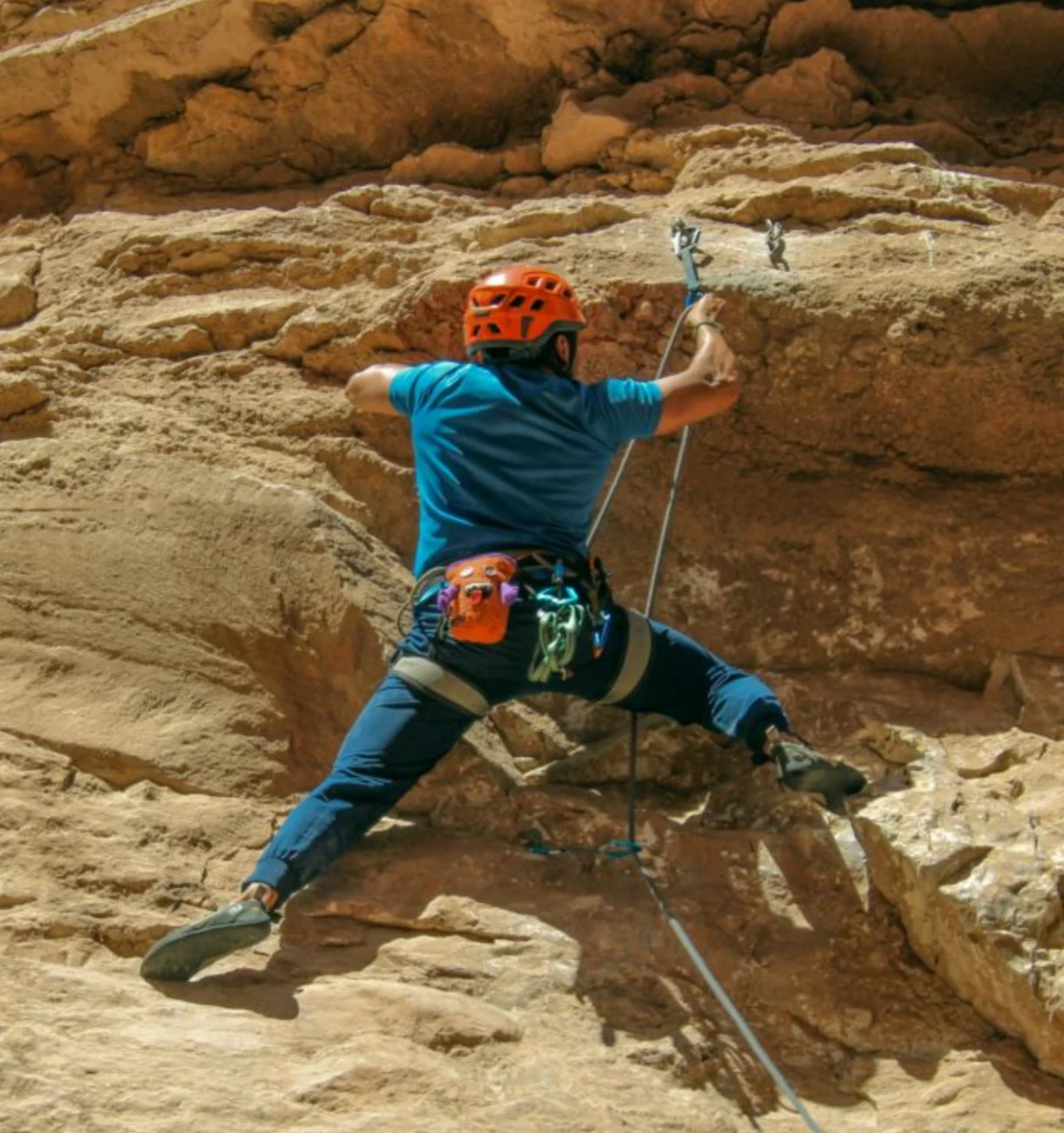
Paros offers diverse activities for varying interests and abilities. Beach and water activities include swimming, snorkelling, scuba diving, boat tours, sea kayaking, and stand up paddleboarding. The island is renowned as a premier destination for wind sports with windsurfing and kitesurfing at Pounda Beach and the east coast during summer meltemi winds. Land based activities include hiking the network of traditional Byzantine roads, visiting archaeological sites and museums, exploring marble quarries, and discovering traditional villages. Evening activities feature taverna dining, bar scenes, open air cinema, and sunset viewing opportunities. Fishing tours and private boat charters cater to those seeking customized experiences.
How much does a holiday to Paros typically cost?
Costs vary significantly by season and accommodation choice. Budget accommodation ranges from thirty to sixty euros per night for basic rooms. Mid range hotels cost sixty to one hundred fifty euros nightly. Upscale villas and boutique hotels exceed one hundred fifty euros. Meals at casual tavernas cost ten to twenty euros per person, whilst upscale restaurants cost thirty to sixty euros. Boat tours range from sixty to one hundred fifty euros per person. Windsurfing lessons or diving experiences cost one hundred to one hundred fifty euros. Car rental costs approximately thirty five euros daily. Overall, budget travellers can manage on forty to sixty euros daily, mid range visitors on one hundred to one hundred fifty euros daily, and luxury travellers on two hundred euros or more daily. Shoulder season (May, June, September, October) offers better value than peak July and August prices.