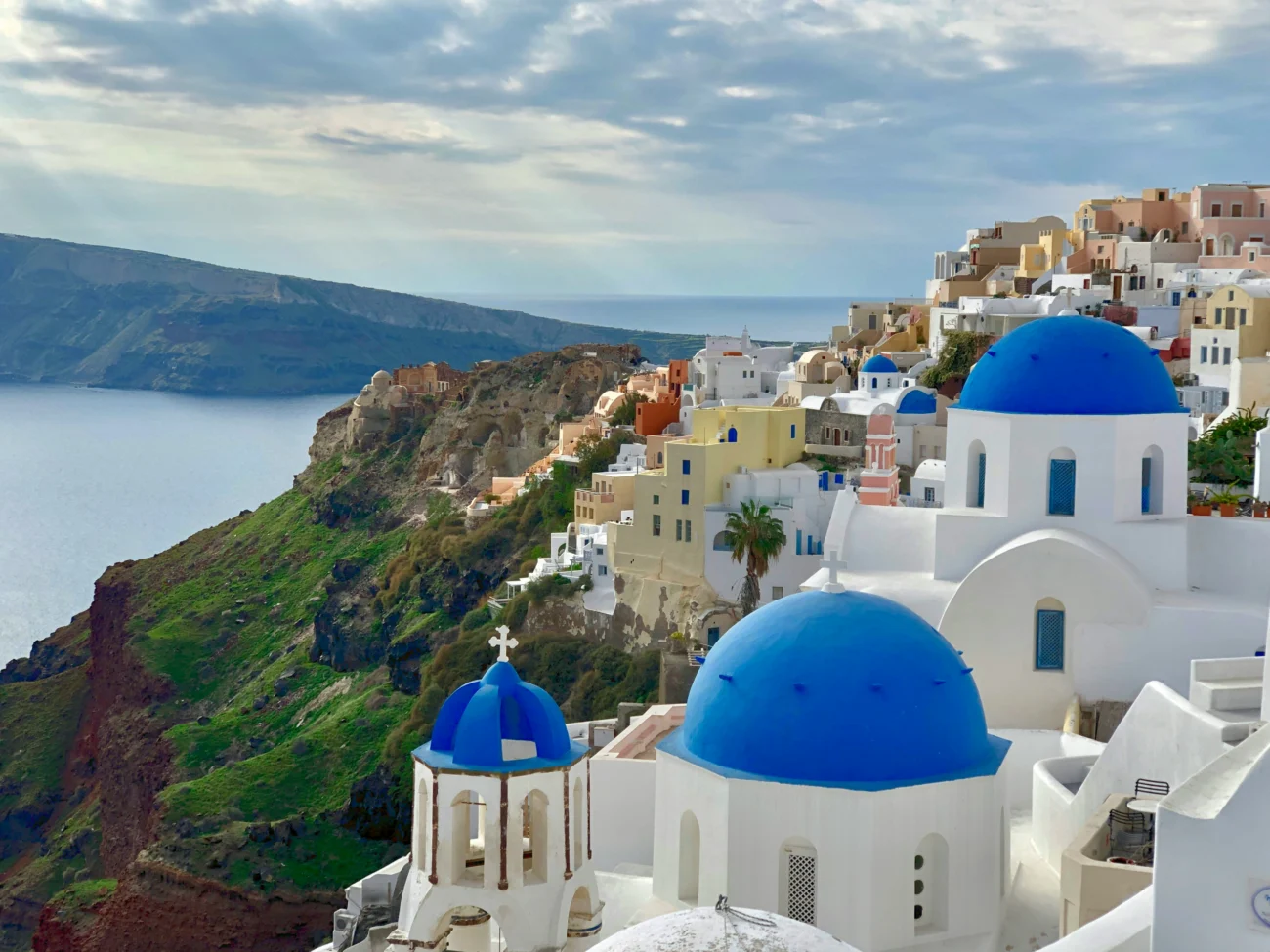
The island of Paros acts as a beacon of white and blue in the centre of the Cyclades. It is famous for its golden beaches and the strong winds that delight windsurfers. However there is another side to this island that lies beneath the surface. It is a world of shadow and stone where history has been carved into the rock for thousands of years. The geology of Paros is rich in limestone and high quality marble which has allowed for the creation of spectacular caves. Some of these are natural wonders formed by water over millions of years while others are man made cathedrals of industry that built the ancient world.
This report explores the top five caves in and around Paros. We will look deep into their history and their location and the practical details of how to visit them. This guide is written for the traveller who wants to understand the soul of the island. It covers the famous vertical cavern of Antiparos and the dark tunnels of the marble quarries and the poetic seaside refuge of Archilochus and the legendary cave of the demons and the sunlit waters of the pirate sea caves. Each location tells a unique story of the relationship between the people of the Aegean and the earth beneath their feet.
The following sections provide a detailed breakdown for each of these five spectacular sites.
Table of Contents
1. The Cave of Antiparos
The Cave of Antiparos is the most famous geological feature in the region. It is technically located on the small island of Antiparos which sits just one nautical mile southwest of Paros. Despite being on a separate island it is considered an essential part of the Paros experience because it is so easy to reach. It is the only vertical cave in Europe that tourists can visit and it plunges deep into the heart of the mountain.
A: Cave Information
The Cave of Antiparos is a natural marvel that has fascinated visitors for centuries. It is also known as the Cave of Agios Ioannis because of the small church that stands at its entrance. The cave covers a surface area of about 5600 square metres and goes down to a depth of eighty five metres. The temperature inside stays at a cool fifteen degrees Celsius all year round which makes it a refreshing escape from the summer heat.
The geological history of the cave is staggering. The stalactites and stalagmites inside have been forming for millions of years. The most famous formation is a massive stalagmite known as the Huge Central Column. It is estimated to be forty five million years old which makes it the oldest stalagmite in Europe. The water drips slowly from the ceiling and leaves behind tiny deposits of minerals that grow into these stone icicles over vast stretches of time.
This cave is not just a geological site but also a historical one. In ancient times it was used as a place of worship for the goddess Artemis who was the protector of the hunt and the wild. Pottery fragments found inside prove that people have been using the cave since the Stone Age. One of the most famous events in the history of the cave took place in the year 1673. The French ambassador to the Ottoman Empire named the Marquis de Nointel visited the island with a retinue of five hundred people. He was so impressed by the cave that he decided to celebrate Christmas Mass inside it. They used a large stalagmite as an altar. You can still see inscriptions on the walls from this event and from other visitors like King Otto of Greece and Lord Byron. The cave was sadly damaged in the past by Russian naval officers who broke off stalactites to take as souvenirs but it remains a majestic sight.
B: Location
The cave is located on the southeastern side of Antiparos island. It sits on the hill of Agios Ioannis at an altitude of 171 metres above the sea. The entrance offers a spectacular view of the Aegean Sea looking out towards the island of Paros and the smaller islets that dot the channel. It is about eight kilometres from the main town of Antiparos which is also called Chora.
The landscape around the cave is rugged and dry which is typical of the Cyclades. The white chapel of Agios Ioannis Spiliotis creates a stark contrast against the brown rock and the blue sky. This chapel was renovated in 1673 by the Marquis de Nointel but the current structure dates to the 18th century. The area around the entrance has been developed to handle visitors with a large parking area and a ticket office and a cafe where you can sit and enjoy the view.
C: How to Get There
Getting to the Cave of Antiparos is an adventure in itself but it is quite easy to organise.
Step 1: Crossing from Paros to Antiparos
You must first get to the island of Antiparos. The best way to do this is to take the ferry from the port of Pounta on Paros. Pounta is located on the west coast of Paros. The ferry runs very frequently throughout the day and the crossing takes only seven minutes. You can take a car or a motorbike or simply walk onto the ferry. There is also a small boat that leaves from the main port of Parikia in Paros but it only takes passengers and does not run as often.
Step 2: From Antiparos Port to the Cave
Once you arrive on Antiparos you have three main options to reach the cave.
| Mode of Transport | Details |
| Public Bus | A bus service runs from the port of Antiparos to the cave. The bus stop is right near where the ferry lands. It usually runs every hour during the summer season. The journey takes about fifteen minutes. |
| Rental Vehicle | Driving is the most flexible way to visit. You can rent a car or a scooter or a quad bike on Paros and bring it over on the ferry. The road to the cave is paved and well marked with signs. It is an uphill drive that offers beautiful views of the coast. |
| Walking | It is possible to walk from the town to the cave but it is a long hike of about ninety minutes. It is uphill and can be very hot in the summer so this is only recommended for serious hikers who have plenty of water. |
D: Safety and Things to Carry
The Cave of Antiparos is a safe tourist attraction but it is physically demanding. You should be prepared before you go.
Safety Tips:
The most important thing to know is that there are 411 steps leading down into the cave and you must climb them all back up to get out. There is no elevator. This climb can be very tiring. People with heart problems or breathing issues or bad knees should think carefully before going down. The steps are made of concrete and have handrails but they can be slippery because of the humidity. You should always hold the rail and take your time.
Do not touch the stalactites or stalagmites. The natural oils on your skin can stop the rocks from growing and can damage the delicate mineral structures. Stay on the path at all times.
Things to Carry:
You should bring a bottle of water with you. You will get thirsty climbing back up the stairs. It is important to wear comfortable shoes like sneakers or walking boots. Flip flops are not a good idea because they can slip on the wet stairs.
The cave is cool inside so you might want to bring a light shirt if you get cold easily. You should also bring a camera to capture the amazing rock formations. The lighting inside is designed to show off the colours of the stone so you can get some great photos. Make sure you have some cash for the entrance fee although cards are usually accepted.
2. The Cave of the Nymphs (Ancient Marble Quarries)
The Cave of the Nymphs is a site of immense historical importance. It is located in the Marathi area of Paros. This is not a natural cave but a man made one. It is the entrance to the deep underground galleries where the ancient Greeks mined the famous Parian marble. This marble was known as “Lychnites” because it was mined by the light of oil lamps. It is the most transparent marble in the world and was used to create some of the greatest masterpieces of ancient art including the Venus de Milo and the Winged Victory of Samothrace.
A: Cave Information
The Cave of the Nymphs gets its name from a relief carving found at its entrance. This carving dates back to the 4th century BC and was dedicated by a man named Adamas to the Nymphs. The Nymphs were female nature spirits in Greek mythology. The carving depicts several figures and shows that the quarry was considered a sacred place as well as a place of work.
The quarry itself consists of a network of tunnels that go deep into the mountain. The ancient miners followed the veins of the highest quality marble. They used metal chisels and wedges to extract huge blocks of stone. The walls of the cave still show the marks of their tools. It is estimated that 100,000 cubic metres of usable marble were extracted from this area.
In the 19th century a Belgian company and later a French company tried to reopen the quarries. They built industrial buildings and a railway line to transport the marble to the port of Parikia. You can still see the ruins of these buildings near the entrance to the cave. They cleared out a lot of the ancient rubble which makes it possible for us to see the tunnels today. However the mining was not profitable in the modern era and the site was abandoned. Today it stands as a monument to the skill and labour of the ancient people of Paros.
B: Location
The Ancient Marble Quarries are located in the valley of Marathi. This is in the central part of Paros island between the port capital of Parikia and the mountain village of Lefkes. The site is about five kilometres from Parikia. The area is green and hilly with olive trees and old stone walls. The entrances to the quarries are on the northern slopes of the mountain that was known in ancient times as Marpissa.
There are two main quarry entrances in this area. One is the Cave of the Nymphs and the other is the Quarry of Pan. They are located close to each other. The Cave of the Nymphs is the southern entrance. The relief carving that gives it its name is located on the left side of the entrance gallery but a part of it has been moved to a museum for protection.
C: How to Get There
The quarries are easy to reach because they are near the main road that crosses the island.
By Bus:
You can use the public bus service to get to Marathi. You need to take the bus that goes from Parikia to Lefkes or Marpissa or Drios. You must tell the driver that you want to get off at the stop for the “Ancient Marble Quarries” or “Marathi”. Once you get off the bus there is a paved path that leads to the archaeological site. It is a short walk of about five to ten minutes.
By Car or Taxi:
If you have a car you should drive from Parikia towards Lefkes. About four kilometres out of town you will see brown signs pointing to the quarries. You turn right and follow the road into the valley. There is space to park your car near the site. You can also take a taxi from Parikia which is a quick and comfortable option.
By Hiking:
For those who like to walk there are hiking trails that lead to Marathi. You can walk from Parikia but it is a long walk on the road. A better option is to combine a visit to the quarries with a hike on the “Byzantine Road” which starts in Lefkes. You can visit the quarries first and then continue to the village.
D: Safety and Things to Carry
The Ancient Marble Quarries are an open archaeological site and they are not managed like a show cave. This means you need to be very careful.
Safety Tips:
The most important rule is to be careful where you step. The floor of the cave is made of marble and it can be very slippery especially if it is damp or dusty. The slope leading down into the cave can be steep.
You should not go deep into the tunnels without a guide. The tunnels are a labyrinth and there are deep shafts and drops that are not fenced off. There is a risk of getting lost or falling. The rock overhead is generally stable but rockfalls can happen. It is safer to stay near the entrance where there is natural light.
Things to Carry:
You must have a good flashlight or headlamp. The light from a mobile phone is not strong enough to see the details of the cave walls or to see where you are walking safely. The interior of the quarry is pitch black once you go past the entrance.
You should wear sturdy shoes or hiking boots. Do not wear sandals or flip flops. The ground is covered in loose stones and marble chips that can cut your feet or make you slip.
There are no shops or water fountains at the quarry site so you must bring your own water and maybe a snack. A hat and sunscreen are also needed for the walk from the road to the cave entrance.
3. The Cave of Archilochos
The Cave of Archilochos is a site that combines natural beauty with deep cultural history. It is located on the coast near the beach of Agios Fokas. This cave is named after the great lyric poet Archilochus who lived on Paros in the 7th century BC. He is one of the most important figures in early Greek literature.
A: Cave Information
Archilochus was a poet who broke with tradition. While Homer wrote epic poems about heroes and gods Archilochus wrote about his own feelings and experiences. He wrote about love and hate and war and the daily life of a soldier. He was known for his sharp wit and his honesty. Legend says that he would come to this cave to find solitude and inspiration. He would sit in the cave and watch the sea and write his poems.
The cave itself is a horizontal opening in the cliff face. It is not a deep dark hole like the other caves but a sheltered space that looks out over the water. The location is very dramatic. The waves crash against the rocks below and the wind blows in from the open sea. It is easy to see why a poet would be drawn to this place. The view from the cave is breathtaking especially at sunset. The sun sinks directly into the sea in front of the cave and fills the space with golden light.
Some local stories also talk about a dragon that used to guard a treasure in the cave or a secret tunnel that leads to a mystical world. These are likely just myths but they add to the magical atmosphere of the place. The cave is believed by some to have been a sanctuary in ancient times perhaps dedicated to the poet himself after his death when he was worshipped as a hero.
B: Location
The cave is located on the cape of Agios Fokas which is the northern point of the bay of Parikia. It is right across the water from the main port. The area is named after the small church of Agios Fokas which sits near the water. The cave is situated high up on the cliff face. It faces west which gives it a perfect view of the setting sun and the passing ferries.
The terrain around the cave is rocky and wild. There are steep cliffs that drop down to the sea. The vegetation is sparse consisting mostly of low bushes and thyme. It feels like a place on the edge of the world even though it is quite close to the main town.
C: How to Get There
Reaching the Cave of Archilochos requires a little bit of effort but the journey is part of the experience.
Step 1: To Agios Fokas
You can drive or take a taxi from Parikia to the beach of Agios Fokas. You follow the road around the bay past the beaches of Livadia and Krios and Marcello. The road ends near the church of Agios Fokas. There is a small parking area there. You can also take a small boat taxi from Parikia to Krios beach and then walk the rest of the way along the road.
Step 2: The Hike to the Cave
From the church of Agios Fokas you have to walk along the coastline. There is a path that leads up towards the cliffs. It takes about ten to fifteen minutes to reach the cave. The path is not a paved road. It is a goat track that goes over rocks and through bushes. You have to scramble a little bit to get to the cave entrance. You should look for the opening in the rock face as you walk.
D: Safety and Things to Carry
This is a natural site with no safety rails or guards. You are responsible for your own safety.
Safety Tips:
The biggest danger here is the cliff edge. The cave is high up and the drop to the sea is steep. You should be very careful near the edge. The rocks can be loose so watch your footing.
The wind can be very strong on this cape. If the “Meltemi” wind is blowing it can push you off balance. Do not go too close to the edge on windy days. It is also best not to go alone or at least to tell someone where you are going.
Things to Carry:
You need to wear good shoes. Hiking boots or sturdy sneakers are best. Do not try to walk here in flip flops or sandals because the rocks are sharp and uneven.
Bring a windbreaker or a jacket. Even in summer the wind can make it feel cool on the cliff.
If you plan to stay for sunset you might want to bring a flashlight for the walk back. The path gets very dark very quickly once the sun goes down. Many people bring a small picnic to enjoy the view but please remember to take all your rubbish back with you to keep the place clean.
4. The Cave of Kalampakis (Cave of the Demons)
The Cave of Kalampakis offers a more mysterious and adventurous experience. It is located in the northeastern part of Paros near the village of Marpissa. It is often called the Cave of the Demons because of a local legend involving Saint Arsenios of Paros. This cave is for those who want to explore the folklore and the wilder side of the island.
A: Cave Information
The legend of this cave is one of the most famous stories on Paros. It is said that in the 19th century the area of Lagada was plagued by demons. These demons would take the form of wild oxen and cause damage to the crops and scare the local farmers. The people were terrified and did not know what to do.
They called upon Saint Arsenios who was a monk at the nearby monastery of Agios Georgios. Saint Arsenios came to the area and confronted the demons. He used the power of prayer and the sign of the Cross to drive the demons into this cave. He then sealed the entrance and commanded them to stay inside until the Second Coming. This story has given the cave a reputation for being a place of dark power and mystery.
Geologically the cave is a natural limestone cavern. It has stalactites and stalagmites inside. It is quite deep and has several chambers. It was inhabited by humans in prehistoric times and archaeologists have found ancient tools and bones there. The entrance is somewhat hidden by vegetation which adds to the feeling of discovery when you find it.
B: Location
The cave is situated in the hills near the monastery of Agios Georgios Lagada. This is close to the villages of Marpissa and Marmara. The location is inland and faces towards the east coast of the island. It is a quiet and secluded spot far away from the busy beaches. The surrounding hills are covered in sage and oregano and other aromatic plants.
C: How to Get There
Finding this cave can be a challenge which is why it is not crowded with tourists.
Step 1: To the Monastery
You first need to get to the area of Lagada. You can drive to the village of Marpissa and then follow the signs towards the monastery of Agios Georgios. The road goes up into the hills.
Step 2: The Hike
From the monastery you have to hike to find the cave. There is a path but it is not always well marked. It is best to ask a local in the village for directions to “Spilaio Kalampaki” or the “Cave of Arsenios”. The hike involves walking on dirt tracks and through the brush. It is not a very long hike but the terrain is rough.
Guided Tours:
Because the cave is hard to find it is a good idea to go with a local hiking guide. There are groups on Paros that organise walks in this area. They can show you the safe path and tell you the full story of the legend.
D: Safety and Things to Carry
This is a wild cave. It has no lights and no walkways.
Safety Tips:
Do not enter the cave if you are not experienced. The floor can be uneven and there may be holes. Stay in the main chamber near the entrance. It is pitch black inside so you need light.
Do not disturb any animals you find inside. Wild caves are often homes to bats and insects. They are part of the ecosystem and should be left alone.
Things to Carry:
You must have a reliable light source. A headlamp is best because it keeps your hands free. Bring a backup flashlight just in case.
Wear long trousers to protect your legs from the scratchy bushes on the hike and the rocks inside the cave. Wear hiking boots with good ankle support.
Bring plenty of water because there is nowhere to buy a drink nearby. It is also safer to go with a friend. Never explore a wild cave alone.
5. The Pirate’s Cave (Tripiti Sea Cave)
The final cave on our list offers a completely different experience. The Pirate’s Cave is a sea cave located on the south coast of Paros. It is filled with sea water and is famous for its stunning blue colour. It is a place of joy and summer fun rather than dark mystery.
A: Cave Information
This cave is known as Tripiti which comes from the Greek word for “hole”. It is called this because of the openings in the rock that allow light to enter. The cave is not a deep tunnel but a series of arches and semi submerged caverns. The water inside is crystal clear and glows with a beautiful turquoise light. This is caused by the sun reflecting off the white sandy bottom.
The cave gets its nickname “Pirate’s Cave” from the history of the Cyclades. For many centuries the islands were plagued by pirates like the famous Barbarossa. They would use small fast boats to attack merchant ships. They needed places to hide their boats and their loot. The sea caves along the coast of Paros were perfect for this. Local legends say that pirates would hide inside this cave and wait for passing ships to ambush.
Today the cave is a popular spot for swimming and snorkeling. You can swim right into the cave and explore the rock formations. The roof of the cave provides shade from the hot sun. The sound of the water splashing against the walls creates a relaxing atmosphere. It is a magical place to swim and take photos.
B: Location
The Pirate’s Cave is located on the southern coast of Paros near the fishing village of Alyki. It is close to the small uninhabited islet of Panteronisi which is known for its “Blue Lagoon”. The area is part of a cluster of sea caves and coves. The coast here is rocky and dramatic with cliffs rising up from the sea.
This part of the island is protected from the strong northern winds known as the Meltemi. This means that the water is usually calm and flat which makes it perfect for swimming.
C: How to Get There
The only way to reach this cave is by boat. You cannot walk to it.
Boat Tours:
The most popular way to visit is to book a day cruise. Many boats leave from the port of Pounta or from Alyki. These tours usually include a stop at the Pirate’s Cave as well as the Blue Lagoon and the island of Despotiko. The captains know exactly where the cave is and will anchor the boat nearby so you can swim in.
Rent a Boat:
If you want more freedom you can rent a small boat from Alyki or Parikia. You do not need a license for small boats with low horsepower engines. This allows you to drive yourself to the cave and stay as long as you want.
Kayak Tours:
For active travellers there are sea kayak tours that explore the south coast. Kayaks are great because they are small enough to paddle right inside the cave and explore the smaller openings that big boats cannot reach.
D: Safety and Things to Carry
Visiting a sea cave involves water safety.
Safety Tips:
You must be a good swimmer. The water at the cave entrance is deep. You will need to swim from the boat to the cave.
Be aware of other boats. This is a popular spot and there may be other boats moving around. Watch out for propellers and stay visible in the water.
Check the sea conditions. Even though it is usually calm the weather can change. Always listen to the advice of your captain or boat rental agency.
Things to Carry:
You definitely need a mask and snorkel. The underwater view is just as beautiful as the view above water. There are fish and colourful rocks to see.
An underwater camera or a GoPro is a great idea to capture the blue light of the water.
Bring plenty of sunscreen. The sun is very strong on the water and the reflection makes it even stronger. Bring a towel and dry clothes for when you get back on the boat. A hat and sunglasses are also essential for the boat ride.
Summary Table of the Top 5 Caves
| Cave Name | Type | Best For | Access Difficulty | Key Feature |
| Cave of Antiparos | Vertical Karst Cave | Geology & History | Moderate (Stairs) | Oldest stalagmite in Europe |
| Cave of the Nymphs | Ancient Mine | Archaeology | Moderate (Walk) | Birthplace of Parian Marble |
| Cave of Archilochos | Coastal Cave | Poetry & Views | Moderate (Hike) | Sunset views & Lyrical history |
| Kalabaki Cave | Wild Cave | Adventure & Legend | High (Rough Hike) | Legend of St Arsenios |
| Pirate’s Cave | Sea Cave | Swimming & Fun | Low (Boat) | Turquoise waters |
This guide covers the full range of underground experiences available on Paros. Whether you want to descend into the deep earth or swim in a blue cave or stand where ancient slaves mined marble there is a cave for you. Respect these natural and historical wonders and they will reveal the secrets of the island to you.