
Table of Contents
Introduction to the Subterranean Wonders of Ios
The island of Ios is a jewel in the Cyclades archipelago. It sits in the Aegean Sea between Naxos and Santorini. While it is famous globally for its vibrant nightlife and golden beaches, there is a hidden side to this island that offers profound tranquility and natural beauty. The geological history of Ios has created a coastline that is rugged and dramatic. Over millions of years the wind and the waves have carved fascinating structures into the rock. Among these structures are the sea caves of Ios. These caves are not merely geological holes but are magical gateways where the land meets the sea. They offer a unique opportunity for exploration and adventure for visitors who wish to see the secret side of the Greek islands.
The geology of Ios is fascinating and complex. The island belongs to the Attic Cycladic Massif. It is composed largely of metamorphic rocks. You will find schist and gneiss and marble here. You will also find granite intrusions which are very hard rocks. The interplay between these different rock types determines the shape of the coast. Where the waves hit softer rocks like limestone or marble they erode the material faster than the harder surrounding rocks. This process is what creates sea caves. The caves on Ios are mostly sea caves rather than deep underground cavern systems. This means they are often accessible by swimming or by small boats. They are filled with light and color rather than darkness.
Visiting these caves is a journey into the wild nature of the Aegean. It requires a spirit of adventure. Some caves are easy to reach while others require hiking or boating. Each one offers a different experience. Some are perfect for snorkeling and observing marine life. Others are ideal for photography or simply sitting in silence. In this report we present the definitive guide to the top 5 best caves in Ios. We have conducted deep research to provide you with valuable information on these hidden gems. We will cover the Koumbara Caves, the cave at Never Bay, the remote caves of Tripiti, the underwater caves of Pikri Nero, and the accessible cave at Valmas Beach.
1. Koumbara Caves
A: Cave Information
The Koumbara Caves are perhaps the most enchanting coastal feature near the main town of Ios. They are often referred to by locals and regular visitors as the Mermaid Playground. This whimsical name suggests the magical atmosphere that pervades the area. These are not deep dark tunnels that lead into the bowels of the earth. Instead they are a series of interconnected sea caves and rocky overhangs that have been eroded into the limestone and schist cliffs. The layout of the caves creates a series of small sheltered pools where the water is incredibly calm and clear.
When you enter the Koumbara Caves you are immediately struck by the color of the water. The sea here is a vivid turquoise hue. This is caused by the sunlight reflecting off the white sandy sea floor and bouncing against the pale cave walls. The light dances on the ceiling of the caves creating a hypnotic effect. It is a place of immense peace. You can float on your back inside the cool shadow of the rock and look out at the bright blue Aegean Sea. It feels as though you are in a private swimming pool created by nature itself.
The marine life in and around the Koumbara Caves is vibrant and diverse. The rocky substrate provides excellent hiding places for many species of fish. Snorkelers will delight in seeing schools of damselfish and bream darting among the crevices. Colorful sponges and sea anemones often cling to the submerged walls of the caves. If you are observant you might spot an octopus camouflaging itself against the rock or a starfish resting on the bottom. The caves offer shelter to these creatures from the open sea currents making it a thriving micro habitat. The combination of the geological beauty and the biological richness makes Koumbara a top destination.
B: Location
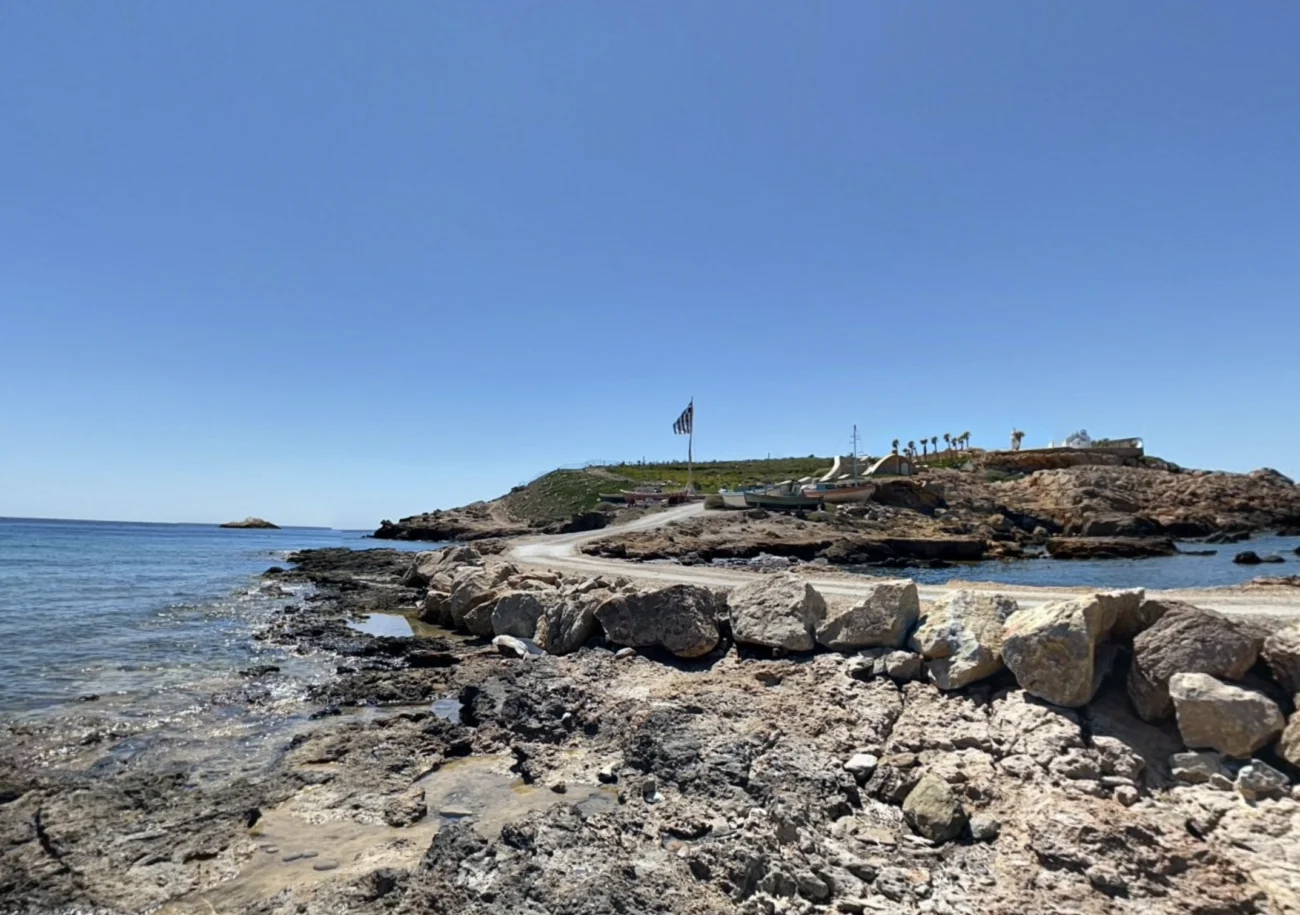
The Koumbara Caves are situated in the northwestern region of Ios. They are located on the peninsula that frames the bay of Koumbara. This area is known for the beautiful Koumbara Beach which is a popular spot for watching the sunset. The beach itself is sandy and organized with sunbeds and umbrellas. However the caves are located away from the main stretch of sand. They are found on the rocky headland that extends into the sea at the far end of the bay. This headland separates Koumbara Beach from the next cove which leads towards the islet known as Diakofto or sometimes referred to as Billionaire Island.
To pinpoint the location you should stand on Koumbara Beach and face the sea. Look to your right towards the northern end of the beach. You will see a small peninsula comprising rugged cliffs and rocks. The caves are tucked away at the base of these cliffs. They are generally not visible from the center of the beach which helps to preserve their secluded atmosphere. You must move around the corner of the headland to discover them. The area faces west which means it is bathed in golden light during the late afternoon and evening making it an exceptionally scenic location.
C: How to Get There
Reaching the Koumbara Caves is an adventure that is accessible to most visitors. There are several methods to get to the general area of Koumbara Beach. The beach is approximately 5 kilometers from the main village of Chora. You can easily drive there if you have rented a car or a scooter. The drive takes about ten minutes and follows a scenic coastal road. There is ample parking available near the beach. Alternatively you can take the local bus which runs frequently between the port, Chora, and Koumbara during the summer season. For those who enjoy walking it is possible to hike from the port to Koumbara in about 30 to 40 minutes.
Once you have arrived at Koumbara Beach you need to navigate to the caves themselves. Walk along the sand to the far right side of the beach. At the end of the sand you will encounter the rocky shoreline. From this point you have two main options. The most enjoyable way is to swim. Enter the water at the end of the beach and swim along the edge of the rocks. It is a relatively short swim around the point. As you round the corner the entrances to the caves will become visible in the cliff face. Ensure you are a confident swimmer before attempting this.
The alternative method is to scramble over the rocks on foot. There is a rough goat path that traverses the small peninsula. You can walk over the rocks until you are positioned above the caves. From there you can carefully climb down to the water level. However be aware that the rocks can be sharp and uneven. Swimming is generally considered the safer and more pleasant approach. Additionally many boat tours that operate from Mylopotas or the port include a stop at the Koumbara Caves. Booking a boat tour is an excellent way to visit if you prefer not to swim from the shore.
D: Safety and Things to Carry
Safety is the primary consideration when exploring sea caves. The sea conditions at Koumbara are often calm but you must always check the weather forecast. The Cyclades are subject to the Meltemi winds which blow from the north. If there is a strong north wind the waves at the entrance to the caves can become choppy and dangerous. Do not attempt to enter the caves if the sea is rough as the waves can throw you against the hard rock walls. Only explore when the water is flat and the wind is gentle.
There are several essential items you should carry to ensure a safe and enjoyable experience.
- Snorkeling Gear: A high quality mask and snorkel are vital. The underwater scenery is a major part of the allure. Seeing the fish and the rock formations clearly will enhance your visit.
- Footwear: Water shoes or reef shoes are highly recommended. The rocks around the caves are jagged and sharp. There are also populations of sea urchins in the area. Stepping on a sea urchin is very painful and can ruin your holiday. Shoes will protect your feet from cuts and spines.
- Sun Protection: The Greek sun is intense. Even if you are in the water you can get sunburned. Wear waterproof sunscreen with a high SPF factor. A hat and sunglasses are necessary for the time you spend out of the water.
- Hydration: Bring plenty of water to drink. Swimming is physical exercise and dehydration can happen quickly in the heat.
- Camera: If you have a waterproof camera or a waterproof case for your phone you should bring it. The light effects inside the caves are photogenic and unique.
Do not bring heavy bags or valuables that cannot get wet if you plan to swim to the caves. It is best to leave dry clothes and towels on the main beach or in your vehicle. Always swim with a buddy so that you can look out for each other.
2. Never Bay Cave
A: Cave Information
Never Bay is one of the most iconic and visually stunning locations on the island of Ios. It is often referred to as Neverbay in social media posts and travel guides. The name itself evokes a sense of fantasy and timelessness like the Neverland of Peter Pan. This spot is famous for its connection to the cult classic movie The Big Blue (Le Grand Bleu). Scenes from this film were shot in the waters near Manganari and Never Bay which has cemented its reputation among divers and film fans alike.
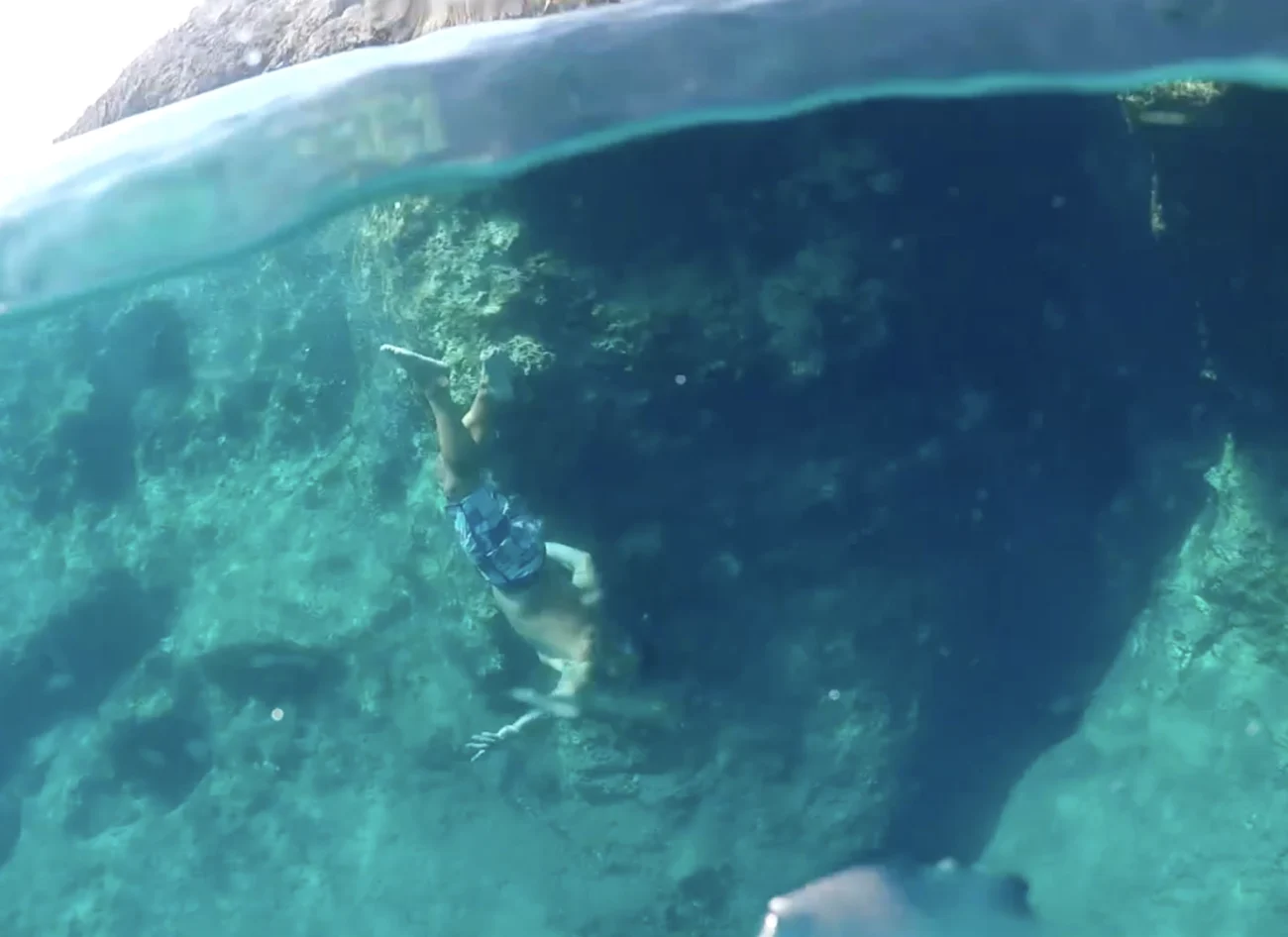
The cave at Never Bay is a geological masterpiece. It is not a dark scary cavern but an open and inviting space created by the piling up of massive boulders and cliffs underwater. The water here is famously described as electric blue or cyan. The visibility is exceptional often exceeding 30 meters. This clarity allows snorkelers to see the bottom clearly even at depth. The cave features rocks that look like underwater thrones or ancient altars. These natural sculptures add to the mystical feeling of the site.
Exploring the cave at Never Bay is a highlight for any snorkeler. The interplay of light and shadow in the water creates a cathedral like atmosphere. Fish swim lazily through the archways and openings. The white sand on the seabed reflects the sunlight upwards illuminating the interior of the rocky overhangs. It is a pristine environment that feels untouched by human activity. The absence of a sandy beach means there is very little sediment in the water which maintains the crystal clear visibility that the location is famous for.
B: Location
Never Bay is situated on the remote western coast of Ios. It is located south of the well known Manganari Beach and north of the southern tip of the island. The area is wild and rugged. There are no buildings or roads or signs marking the spot. It is a hidden cove surrounded by steep cliffs that drop vertically into the sea. The geography of the bay provides shelter from some winds but it is exposed to the west.
The bay itself is actually quite small. It is more of a rocky inlet than a broad bay. The coastline here is characterized by dramatic rock formations and craggy slopes. This isolation is what preserves the beauty of Never Bay. It feels like a secret discovered only by the adventurous. Because it is far from the main population centers of Ios it remains quiet and peaceful even during the peak of summer. The location on the map is approximately at the coordinates 36°39’10.0″N 25°23’00.4″E though finding it without a guide can be challenging.
C: How to Get There
Reaching Never Bay is a significant undertaking and is considered part of the adventure. It is not easily accessible which keeps the crowds away. There are two primary ways to get there.
- By Boat: This is by far the easiest and most comfortable method. You can rent a small boat from the port of Ios or from Mylopotas Beach. In Greece you are often allowed to rent boats with small engines without a license. Alternatively you can join an organized boat tour. Many tours that advertise the “Best Beaches of Ios” or “Hidden Gems” include a stop at Never Bay for snorkeling. The boat captains know exactly where the cave is and can drop you right next to it.
- By Land: Access by land is difficult and requires determination. You will need a vehicle such as a sturdy car or a powerful ATV (quad bike). You must drive south towards Manganari Beach. Before you reach the beach you will need to turn onto dirt tracks that lead towards the coast. Navigation can be tricky as there are few signs. A GPS device or a detailed map is essential. The dirt road will take you to the top of the cliffs. From there you must hike down to the water.
The hike down is steep and treacherous. It involves scrambling over loose rocks and following faint goat trails. It takes about 20 minutes to descend. The path is not maintained and requires a good level of fitness. You must be very careful with your footing. The climb back up under the hot sun can be exhausting so ensure you save energy and water for the return journey.
D: Safety and Things to Carry
Safety is paramount when visiting Never Bay due to its isolation. There are absolutely no facilities nearby. No lifeguards and no shops and no medical aid. You are completely on your own. If you choose to hike be aware that mobile phone reception can be patchy or non existent. It is highly advisable not to go alone. Having a companion ensures that someone can help if an accident occurs.
If you are hiking you must wear appropriate footwear. Do not attempt the descent in flip flops or sandals. You need closed shoes with good grip such as trainers or hiking boots. The rocks are sharp and unstable. For the water you need snorkeling gear to fully appreciate the cave. Fins are useful as there can be currents and the water is deep.
You must bring all your supplies with you.
- Water: Carry at least 2 liters of water per person. The heat and exertion will dehydrate you quickly.
- Food: Bring snacks or a packed lunch as there are no tavernas for miles.
- Sun Protection: There is no shade at the bay unless you sit directly under a cliff overhang which can be dangerous due to falling rocks. Bring a hat and plenty of sunscreen.
- First Aid Kit: A basic kit with plasters and antiseptic is a wise addition to your pack.
If arriving by boat ensure the anchor is secure before swimming. The seabed is rocky and anchors can sometimes slip. Always keep an eye on the weather as conditions can change rapidly at sea.
3. Tripiti Beach Cave
A: Cave Information
Tripiti Beach is a secluded haven located on the southern coastline of Ios. The name Tripiti is derived from the Greek word “trypa” which means hole. This name is a direct reference to the geological features of the area. The limestone and sedimentary rocks here have been eroded to form natural arches and cavities. The most prominent feature is a sea cave that adds a sense of mystery to the beach. In some contexts the area is associated with the term “Gala” which means milk. This describes the phenomenon where the sea water churning inside the caves and arches becomes frothy and white resembling milk.
The cave at Tripiti is an intimate space for exploration. It is located at the edge of the beach where the sand meets the rising cliffs. Visitors can swim into the cave or wade in depending on the tide. The interior of the cave is cool and shaded offering a welcome respite from the scorching Greek sun. The water inside glows with a luminous blue color caused by the ambient light entering from the opening. It is a magical spot for photography.
The rock formations around the cave are fascinating. They display layers of geological history. Snorkeling around the entrance reveals a rich underwater world. Small fish and crabs inhabit the nooks and crannies of the rock. The beach itself is covered in soft golden sand and fine pebbles. The combination of the sheltered cave and the pristine beach makes Tripiti a perfect destination for those seeking solitude and a connection with nature. It feels like a private paradise far removed from the modern world.
B: Location
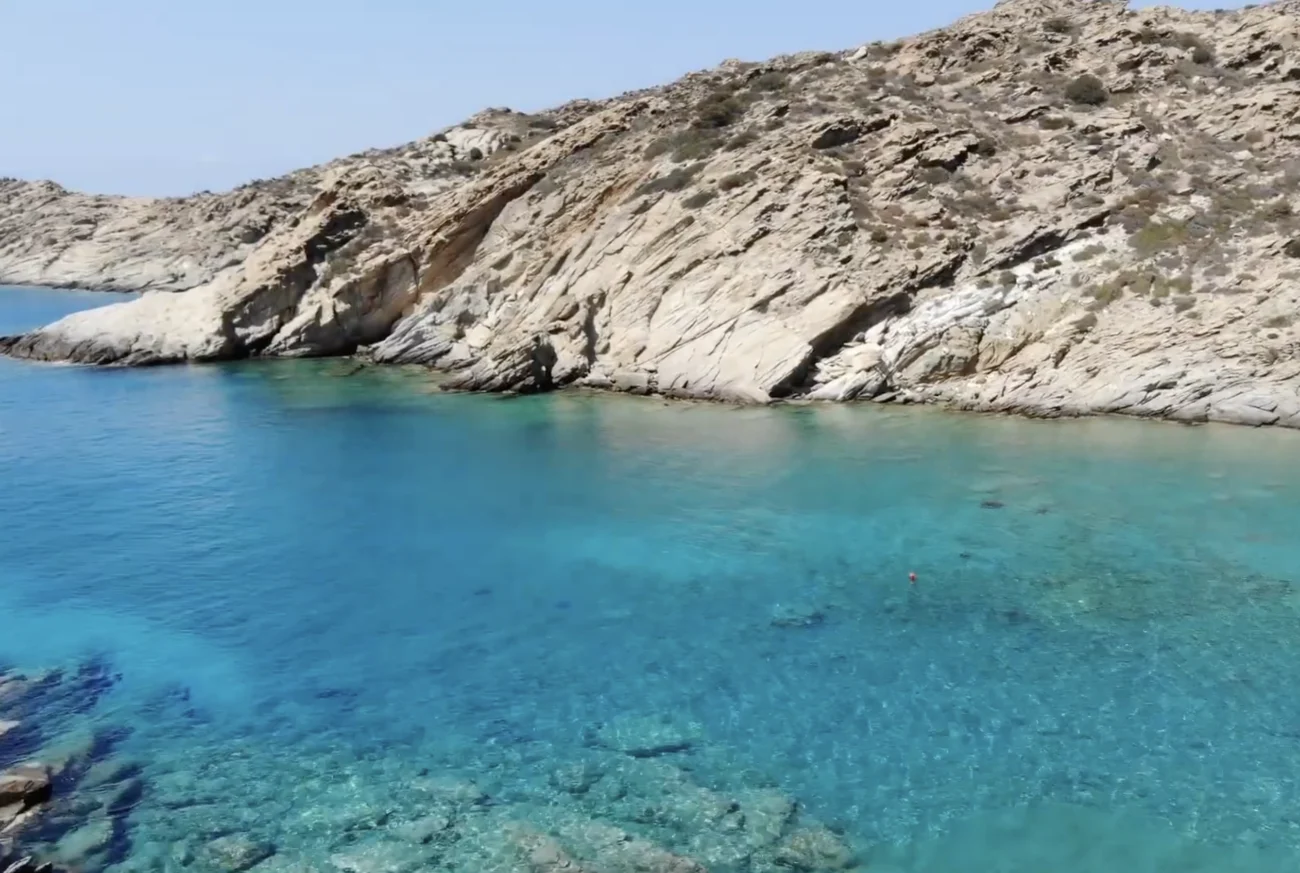
Tripiti Beach is located at the southern tip of Ios island. It is approximately 20 kilometers away from the main town of Chora. The beach is situated just a few kilometers west of the larger and more famous Manganari Beach. This area is characterised by its desolate beauty. The hills surrounding the beach are dry and rocky with sparse vegetation consisting mainly of thyme and scrub bushes. This stark landscape contrasts beautifully with the vivid azure of the sea.
The beach is set within a small protected cove. This natural harbor protects the water from the strong northern winds known as the Meltemi. As a result the water at Tripiti is often calm and glass like even when other parts of the island are windy. The location offers stunning views out towards the open Aegean Sea. On a clear day you can see the outlines of other Cycladic islands on the horizon. Its remoteness ensures that it is rarely crowded providing a tranquil atmosphere for visitors.
C: How to Get There
Access to Tripiti Beach is limited which preserves its pristine condition. There are no paved roads leading directly to the sand. Visitors must choose between a boat ride or a hike.
- By Boat: Taking a boat is the most relaxing way to reach Tripiti. You can hire a water taxi from the nearby Manganari Beach. The ride is short and scenic. Many organized boat tours departing from Mylopotas also include Tripiti in their itinerary of the best beaches. Arriving by sea allows you to appreciate the dramatic coastline and the cave entrance from the water.
- By Foot: For hiking enthusiasts there is a trail that leads from Manganari Beach to Tripiti. The hike is approximately 2 to 3 kilometers long. It is not a flat walk. The path traverses the rocky hills and gullies of the coast. It can take between 45 minutes to an hour one way. The trail is not always well marked so a sense of direction and perhaps a GPS map are helpful. You will be walking through the raw Cycladic landscape with the sea on your side.
- By Vehicle (Partial): If you have a 4×4 vehicle or a rugged ATV you can drive part of the way on dirt tracks. These tracks lead from the Manganari road towards the coast. However the road does not go all the way to the beach. You will inevitably have to park and walk the final section. The dirt roads can be rough and sandy so caution is advised.
D: Safety and Things to Carry
Tripiti is a completely unorganized beach. This means there are absolutely no amenities. There are no sunbeds or umbrellas. There are no toilets or showers. There are no canteens or tavernas. You must be completely self sufficient for your visit.
- Shade: Bring your own shade. A beach umbrella is heavy to carry if you are hiking but a pop up beach tent or simply good hats and long sleeved clothing are essential. The sun is relentless and there is little natural shade on the beach except inside the cave.
- Supplies: Bring plenty of water and food. You will not be able to buy anything once you are there. Calculate more water than you think you need especially if you are hiking.
- Footwear: If you hike wear sturdy shoes. The terrain is rocky and prickly. Water shoes are also good for exploring the cave as the rocks inside can be slippery and sharp.
- Medical: A small first aid kit is a sensible precaution for cuts or scrapes.
- Environment: Be mindful of the environment. Do not leave any trash behind. Take everything back with you to keep this beautiful place clean.
When swimming be aware of currents near the cave entrance. Although the bay is protected the open sea is nearby. Ensure you check the depth before jumping from any rocks.
4. Pikri Nero Underwater Caves
A: Cave Information
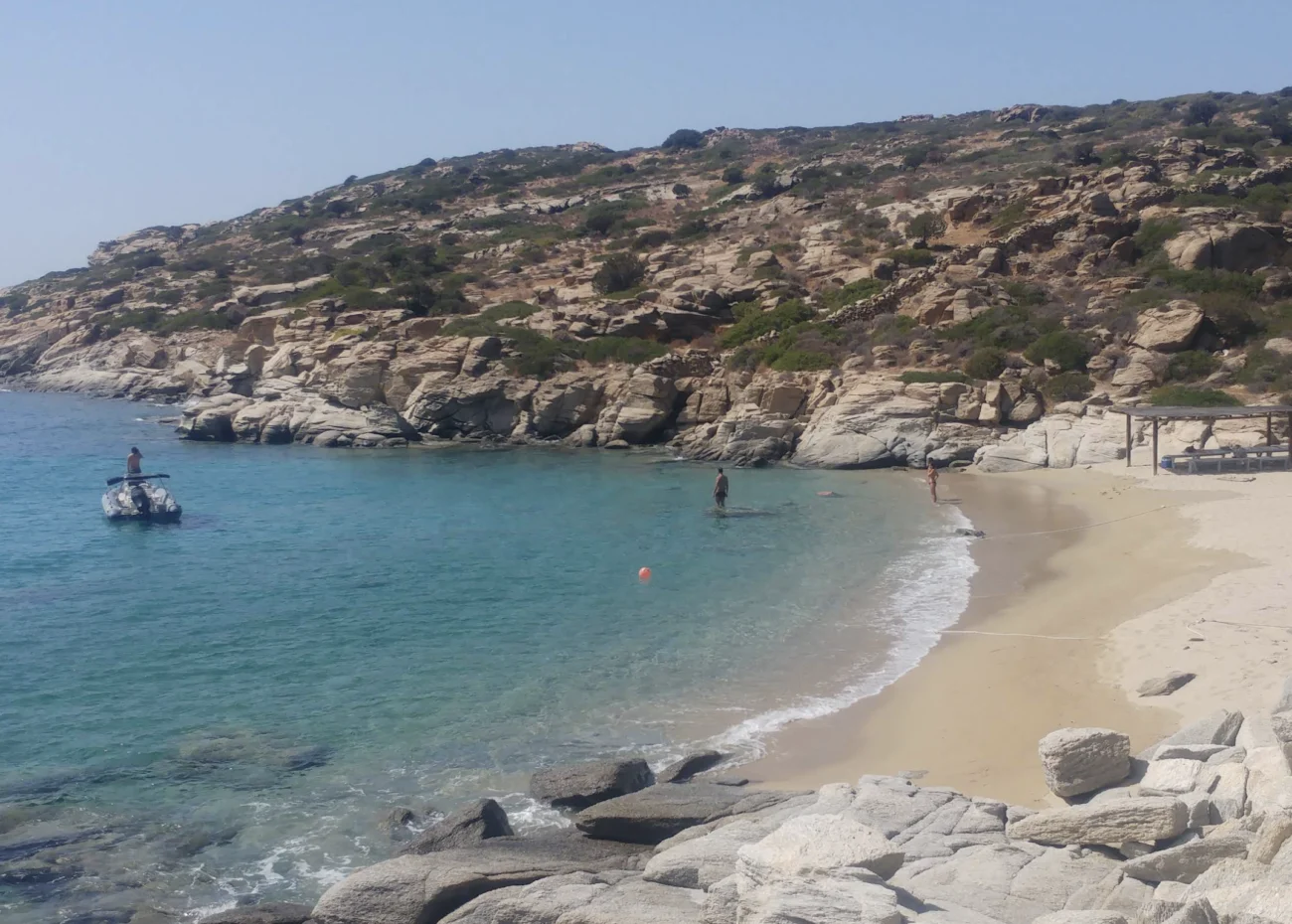
Pikri Nero is not a single beach but a cluster of three small secluded beaches located within a single bay. The name Pikri Nero translates to Bitter Water. Local lore suggests this name comes from the water being slightly more saline than usual or perhaps from a mineral spring in the area. While the beaches are beautiful the true wonder of Pikri Nero lies underwater. The area is renowned for its underwater caves and complex rock formations.
The underwater caves at Pikri Nero are formed by massive boulders and slabs of rock that have tumbled from the cliffs into the sea. These rocks create a labyrinth of tunnels and archways and overhangs. When you snorkel here you are entering a three dimensional maze. The sunlight pierces through the water and illuminates the sandy patches between the rocks creating a dramatic visual effect.
This site is a haven for marine life. The rocky structures provide the perfect habitat for many Mediterranean species. You can expect to see large schools of damselfish and wrasse and bream. The caves offer shelter for shy creatures like grouper and octopus. The experience of swimming through a rock archway surrounded by fish is unforgettable. The water is typically crystal clear which makes it feel like you are swimming in a giant aquarium. It is widely considered one of the best snorkeling spots on Ios.
B: Location
Pikri Nero is located on the southwestern coast of Ios. It sits within a large private estate which restricts land access and has kept the area undeveloped. The beaches are nestled in a bay that faces west and south. This orientation offers protection from the Meltemi north winds making the water calm and flat on days when other beaches are rough. The location is about 12 kilometers from the port of Ios but due to the lack of roads it feels much further away.
The landscape surrounding the bay is typical of the southern Cyclades. It consists of dry golden hills that slope down to the sea. The white sand of the beaches and the turquoise water create a striking contrast with the arid land. The isolation of the spot ensures privacy and quiet. It is a favorite stop for yachts and private boats seeking a peaceful anchorage.
C: How to Get There
Access to Pikri Nero is almost exclusively by sea. The land surrounding the beaches is private property and there are no public roads leading to the shore. Therefore a boat is the only practical way to visit.
- Private Boat Rental: You can rent a private speed boat or a small engine boat from the main port of Ios or from Mylopotas Beach. This gives you the freedom to explore the area at your own pace and stay as long as you like.
- Organized Boat Tours: Many boat tour operators on Ios include Pikri Nero as a key stop on their itineraries. These tours typically depart in the morning or afternoon. They anchor in the bay and allow passengers time to swim and snorkel. The captains are experienced and can point out the best spots to find the underwater caves and the most fish. This is the most stress free and convenient way to experience Pikri Nero.
- Kayaking: For the very fit and experienced adventurer it is theoretically possible to kayak to Pikri Nero from nearby accessible beaches like Valmas or Kolitsani. However this is a long paddle and requires expert knowledge of sea conditions. It is not recommended for the casual tourist.
D: Safety and Things to Carry
Snorkeling in underwater caves requires caution and common sense.
- Swimming Safety: Never swim into tight spaces where you could get stuck. Always ensure you have a clear path to the surface. Be aware of your surroundings to avoid bumping your head on the rocks. It is easy to get distracted by the beauty underwater. Snorkel with a buddy for safety.
- Equipment: High quality snorkeling gear is essential. A mask that fits well and does not leak will make a huge difference. Fins are highly recommended to help you move efficiently through the water and navigate around the rocks. A rash guard or UV shirt is good for sun protection while you are floating on the surface.
- Seasickness: Since you will likely be on a boat bring motion sickness tablets if you are prone to seasickness. The ride can be bumpy depending on the waves.
- Supplies: Bring water and snacks. Boat tours often provide these but it is always good to have your own. A towel and a windbreaker jacket are useful for the return boat journey as the wind can feel cold when you are wet.
5. Valmas Beach Cave
A: Cave Information
Valmas Beach offers a delightful and accessible cave experience that contrasts with the remote locations of Tripiti and Never Bay. It is a small and quiet cove located relatively close to the main port. The beach is pebbled rather than sandy which keeps the water pristine and clear. At the entrance to the cove on the side of the rocky cliffs there is a small sea cave that visitors can swim to.
This cave is not a massive cavern but a charming hollow in the rock face. It provides a perfect introduction to sea cave exploration for those who might be nervous about larger or deeper caves. The water depth increases gradually as you swim out making it a comfortable experience. Entering the small cave gives a wonderful sense of discovery. It serves as a cool and shady spot to rest and admire the view back towards the beach.
The underwater area around the Valmas cave is excellent for snorkeling. The rocky seabed attracts a variety of marine life. You can observe crabs scuttling over the stones and see many sea urchins on the bottom. The simplicity and accessibility of the Valmas cave make it a hidden treasure that does not require a full day expedition to enjoy.
B: Location
Valmas Beach is located on the western coast of Ios very close to the port of Ormos. It sits near the entrance to the main harbor. From the beach you can often see the ferries arriving and departing in the distance which provides an interesting backdrop. Despite its proximity to the port the beach feels secluded and peaceful. It faces west which ensures it receives beautiful afternoon sun and offers great views of the sunset.
The cave is located on the rocky coastline that frames the cove. If you stand on the beach facing the sea the rocks rise up on both sides. You simply need to follow the rock line into the water to find the openings. The proximity to the shore means you do not feel lost at sea and land is always close by.
C: How to Get There
Getting to Valmas Beach is straightforward and easy. It is one of the few hidden spots that you can walk to from the port area.
- Walking: The walk begins at the church of Agia Irini. This is the picturesque white church that greets visitors as they enter the port by ferry. From the church there is a marked path that leads along the coast. The walk takes approximately 15 to 20 minutes. It is a scenic route with lovely views of the sea and the harbor. The path is marked with paint on the rocks to guide you.
- Driving: You can also drive part of the way. There is a road that leads to the church of Agia Irini. You can park your car or ATV near the church. From there you must walk the rest of the path down to the beach. The path goes downhill and is manageable but requires decent shoes.
- By Boat: While you can visit by boat it is less common since the beach is so easily accessible by land. However small boats can anchor in the cove for a swim.
Once you are on the beach simply wade into the water and swim towards the rocks on the side to locate the cave. It is a short swim from the shore.
D: Safety and Things to Carry
- Footwear: The most critical item for Valmas is water shoes. The beach is pebbled and the seabed is rocky. There is also a significant population of sea urchins in the area. Stepping on one is extremely painful. Do not enter the water barefoot. Wear your shoes until you are swimming in deep water.
- Swimming Ability: The water gets deep relatively quickly once you move away from the shore. You should be a competent swimmer. There are no lifeguards on duty at Valmas.
- Gear: Bring your snorkeling mask to see the fish and avoid the urchins. Since the beach is pebbled a thick towel or a beach mat will make lying down much more comfortable.
- Amenities: There is a small taverna at Valmas Beach where you can buy food and drinks. This means you do not need to carry heavy supplies like you do for Tripiti or Never Bay. However carrying a bottle of water for the walk is always a good idea. Bring a camera to capture the beautiful views of the church and the coastline on your way down.
Conclusion
Ios is a destination that rewards the curious traveler. Beyond the music and the crowded main beaches lies a world of silent beauty and geological wonder. The sea caves of Ios offer a unique way to experience the Aegean. From the magical blue waters of the Koumbara Caves to the cinematic allure of Never Bay each location tells a different story of the island. The remote solitude of Tripiti and the underwater mazes of Pikri Nero provide adventures for those willing to go the extra mile. Even the accessible charm of Valmas proves that nature is never far away on Ios.
Exploring these caves allows you to connect with the raw elements of rock and water. It is an experience that stays with you long after the holiday is over. Whether you are floating in a turquoise pool or hiking down a rugged cliff the caves of Ios offer a sense of discovery that is rare in the modern world. We hope this guide helps you plan your perfect adventure. Remember to respect the natural environment and prioritize safety at all times.