Table of Contents
Koufonisia is a tiny jewel tucked away in the Aegean Sea between Naxos and Amorgos. This small Greek island feels like stepping back in time. Only about 370 people live here permanently, and there are hardly any cars, which means you will walk and bike your way around this peaceful paradise. The villages on Koufonisia are small but absolutely charming. Each one has its own special character and appeal. Let me take you through the five most popular and beautiful villages that you absolutely must visit when you explore this extraordinary island.
1. CHORA: THE HEART OF KOUFONISIA
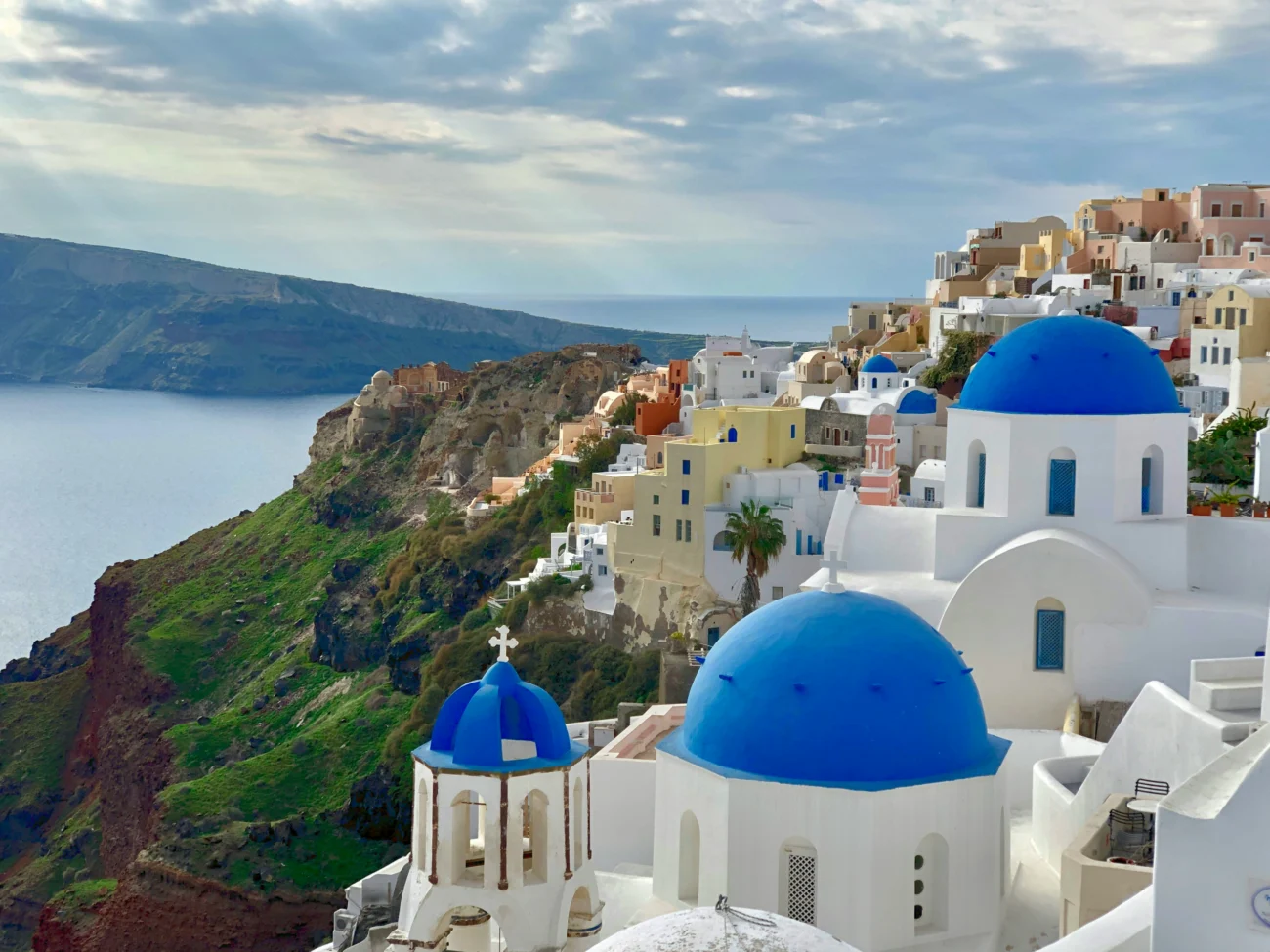
Chora is the main village and the only permanent settlement on Pano Koufonisi. This is where the ferry arrives when you come to the island. Everything about Chora screams authentic Cycladic architecture. You will find whitewashed houses with blue shutters, narrow cobblestone streets, and traditional fishing boats bobbing in the harbor. When you first arrive, you might think the village is empty because locals are out at the beaches or on fishing boats during the day. But come evening time, everything changes. The village comes alive with visitors and residents exploring the tavernas, coffee shops, and small boutiques.
The real heart of Chora is the Church of Agios Georgios, which has been the patron saint of this island for centuries. This beautiful white church sits prominently in the village center and is the spiritual focal point for the local community. Behind the church stands an old windmill dating back to 1830. This windmill is one of the most photographed landmarks on the island. You can walk past it and imagine the villagers grinding grain here over a hundred years ago.
Walking through Chora, you will discover charming little shops selling local products, handmade jewelry, and traditional crafts. There are two supermarkets, two bakeries, a pharmacy, a bookshop, a jeweler, and even a nail bar. The restaurants here are exceptional. Capetan Nikolas is probably the most famous fish tavern on the entire island. This family run establishment serves incredibly fresh fish because they operate their own fishing boat. The sunset views from here are absolutely spectacular. Neo Remezzo is another popular spot where you might catch live traditional music. For something simpler and more affordable, Fos Fanari serves authentic local favorites and is one of the few places open year round.
For sunset, head to the area near the Agios Nikolaos church or walk over to Rastoni on the west side of town for drinks with ocean views. If you want to stay in Chora, accommodation options include Nysis Koufonisia and Utopia Hotel, both offering comfortable rooms at reasonable prices outside peak season. Just 200 meters from Chora lies Ammos Beach, a sandy family friendly beach perfect for a quick swim without leaving town. This beach is wheelchair accessible and the water is exceptionally clear and calm.
2. FINIKAS: YOUR GATEWAY TO BEAUTIFUL BEACHES
Finikas is the first beach area you encounter when you venture northeast from Chora. This beach has a golden sandy shore with absolutely gorgeous turquoise waters. The beach gets its name from the Finikas Hotel and restaurant, which overlooks the beach and serves excellent fresh fish. The walk from Chora takes about fifteen to twenty minutes, or you can follow a small road that connects the village to this beach area.
Finikas attracts families because the beach is sheltered and the waters are shallow. Tamarisk trees provide natural shade, which is wonderful when the Greek sun gets too intense. The Finikas restaurant serves a variety of fish and seafood based delicacies. Their menu changes daily depending on what the fishing boats bring in. You can sit on their terrace and enjoy lunch or dinner with your feet practically in the sand. The beach itself is quite narrow, but that adds to its charm. It feels exclusive and peaceful even during busy summer months compared to more famous Greek islands.
The real appeal of Finikas is its accessibility. You don’t need a boat or a long hike. It is right there, just past the edge of the village. The hotel has clean comfortable rooms for those wanting to stay closer to this beautiful stretch of sand. Families particularly love this spot because children can play safely in the calm shallow waters. Snorkeling here is excellent, and the underwater views are just as clear and stunning as what you see from the shore.
3. PORI: ARGUABLY THE MOST BEAUTIFUL BEACH
Pori Beach sits on the northeastern side of Pano Koufonisi, about three and a half kilometers from Chora. Multiple travel guides and visitors consistently rank Pori as the most beautiful beach on the entire island. When you arrive here, you will understand why. The beach stretches out as a long crescent of soft golden sand. The water is so impossibly clear and blue that it looks more like a swimming pool than the actual sea. Many describe the water color as electric blue or Caribbean turquoise.
To reach Pori, you have several options. You can walk along a scenic coastal path that takes about forty five minutes from Chora. You can take a taxi boat from the port which takes about thirty minutes. In summer, there is also a hourly boat service that drops you right at the beach. The journey itself is beautiful with incredible views of nearby islands like Keros.
What makes Pori even more special is that it remains relatively undeveloped. There are no commercial facilities, umbrellas, or beach bars. The beach is completely natural and peaceful. This is ideal for those seeking solitude and authentic island life. Families with children particularly love Pori because the water is shallow for quite a distance from shore. Kids can wade and play safely while adults swim further out. The beach is nudism friendly, which is common on Koufonisia. This laid back attitude toward swimming is part of the island’s alternative, welcoming culture.
Several luxury villa complexes sit just a short walk away from Pori. The Koufonisi Villas complex offers high end accommodations in beautifully designed buildings that respect the island’s traditional architecture. The villas feature outdoor bathtubs for rinsing off salt and sand, and many have sea views. These properties provide all the modern comforts while maintaining the island’s authentic character.
4. ITALIDA: THE ISLAND’S MOST ICONIC BEACH
Italida Beach goes by another official name, Platia Pounta, which means “wide cape” in vernacular Greek. However, everyone on the island and most visitors call it Italida. The story behind the name is charming. There was a Greek woman who owned a house behind the beach. She had married an Italian man, so locals called her the Italian lady, which is “Italida” in Greek. That nickname stuck so firmly that the beach itself became known by that name.
Italida is the most popular beach on Koufonisia. It sits just five minutes on foot from Fanos Beach. The beach has beautiful blonde sand and crystal clear water with some small pebbles near the shoreline. Because the beach faces south, it receives less exposure to the Meltemi winds that blow from the north during summer months. This makes the water calm and perfect for swimming even when other beaches experience rougher conditions.
The beach is smaller than Pori, which means it can get quite crowded during peak summer months. Early morning or late afternoon visits are perfect if you prefer a quieter experience. The beach is absolutely clothes optional, maintaining the island’s bohemian heritage. People of all ages come here for a liberating and judgment free swimming experience. This tradition continues from Italida’s days as a gathering place for alternative travelers and hippies.
To reach Italida, you can walk from Fanos, which takes about five minutes. The beach is also accessible by hiking from Chora, which takes roughly thirty minutes along the coastal path. Boat services from the port can take you there as well. Once you arrive, bring plenty of water, sun cream, and an umbrella or hat because there is no shade and no facilities. But honestly, the pristine beauty and peaceful atmosphere more than make up for these minor inconveniences.
5. KATO KOUFONISI: THE UNDEVELOPED ISLAND
Kato Koufonisi is the smaller, uninhabited sister island located just two hundred meters away from Pano Koufonisi. A short ten minute boat ride gets you there from the main harbor. This island is a completely different experience from the villages and beaches of the main island. Only a handful of summer retreats and a few shepherds with their goat and sheep herds live here.
The main attraction on Kato Koufonisi is the Chapel of Panagia, also known as the Church of the Virgin Mary. This beautiful white chapel sits on a jetty built directly on top of ancient ruins. The chapel has a long history dating back to at least 1561. The chapel is an important pilgrimage site and hosts a major festival every year on August fifteenth. This is the feast of Panagia, the Dormition of the Virgin Mary, one of the biggest religious celebrations in the Orthodox Christian calendar.
On Panagia Day, the entire island community celebrates. The ferry schedules change to allow everyone to attend the church service on Kato Koufonski. After the service, local fishermen race their traditional fishing boats called Kaiki back to the main island in an exciting friendly competition. Then a massive feast begins with traditional music, dancing, homemade delicacies, and plenty of local wine. It is a genuine glimpse into real island life and tradition.
The beaches on Kato Koufonisi include Nero, Panagia, Detis, Gala, and Lari. Nero Beach is particularly stunning with exotic water and a soft sandy shore. Palm trees and tamarisk trees create natural shade, making it feel like a true tropical oasis. These beaches receive far fewer visitors than those on the main island, so you get pristine natural beauty without the crowds. Many explorers hike from one beach to another, discovering hidden coves and rock formations along the way. Remember to bring plenty of water if you plan to hike, because the island is completely uninhabited and exposed.
Taverna Venetsanos is the only restaurant on the island. This simple tavern serves local food including traditional goat meat from animals bred on Kato Koufonski itself. The food is basic but authentic and tasty. Wild campers often gather on the island, especially near the tavern. The island feels rough and untamed, which is exactly its appeal. This is what the Cyclades looked like before modern development transformed other islands.
EXPERIENCING VILLAGE LIFE ON KOUFONISIA
The villages on Koufonisia are not tourist attractions in the traditional sense. They are real places where real people live. The locals are genuinely welcoming and happy to share their island with respectful visitors. There are no big hotels, no nightclubs, no souvenir shops on every corner. Instead, you get authentic Greek island life.
Fishing is still the primary occupation for many residents. You will see colorful fishing boats lined up in the harbor every morning. In fact, Koufonisia has one of the largest fishing fleets in Greece relative to its population size. This means the restaurants serve incredibly fresh fish and seafood. You might actually meet the fisherman who caught your dinner.
Every village and beach settlement celebrates local festivals throughout the year. The biggest celebration is Panagia on August fifteenth. There are also celebrations for other saints and religious occasions. These are not organized tourist events. They are community gatherings where families and locals come together to eat, drink, and celebrate. If you time your visit right, you might get invited to join these authentic celebrations.
Walking is the best way to experience the villages. Koufonisia is so small that you can walk around the entire main island in a few hours. As you walk, you will pass hidden coves, rocky outcrops, and stunning views at nearly every turn. The coastal path connects all the main beaches and villages. This makes exploration easy and safe even for first time visitors.
GETTING AROUND THE VILLAGES
Koufonisia has no rental cars and very few taxis. The main way to get around is on foot or by bicycle. Ferries and small boat taxis called Kaiki connect the villages and beaches. The boat taxis work on a hop on hop off system. You can board whenever you like and hop off at whichever beach or village suits you. The rides are very affordable, typically just a few euros per journey. In summer, these boat services run roughly every thirty minutes to hourly depending on demand.
Bicycles are another excellent option for getting between villages and beaches. You can rent bicycles in Chora at very reasonable daily rates. The island is small and relatively flat, making biking easy even for those who are not experienced cyclists. A few small scooters exist on the island but they are not for hire. Locals respect the island’s car free character, and visitors quickly learn to appreciate the peace and quiet that comes with this approach.
PLANNING YOUR VILLAGE VISIT
The best time to visit Koufonisia villages is May through June or September through October. These months offer warm sunny weather, calm seas, and significantly fewer tourists than July and August. Summer months are very busy, and accommodation can be difficult to find. The villages get more crowded, and prices increase substantially. Winter is quiet and peaceful but some businesses close and the weather can be rainy and windy.
Each village and beach area on Koufonisia has limited accommodation. Chora has the most options, but even there, rooms fill quickly during summer. Book well in advance if you want to stay in July or August. Outside peak months, you can often find better rates and a more relaxed atmosphere. Spring and autumn visitors enjoy warm swimming weather without the summer crowds. The light at these times of year is also beautiful for photography and simply enjoying the landscape.
Bring cash with you because not all establishments take credit cards. While there are ATMs in Chora, some beach tavernas and smaller shops operate on a cash only basis. The internet connection on the island can be slow, so do not depend on digital payments as your only option.
Wear comfortable walking shoes. You will be walking quite a bit on uneven paths, sandy beaches, and rocky terrain. Bring sun protection including a good quality sunscreen, hat, and sunglasses. The sun reflects intensely off the white buildings and sandy beaches. Staying hydrated is critical, so carry a water bottle that you can refill in Chora.
THE MAGIC OF KOUFONISIA’S VILLAGES
Visiting the villages on Koufonisia is stepping into a different world. Time moves slower here. The air smells of salt and wildflowers. The light seems clearer and more golden than anywhere else. The water is genuinely the most beautiful shade of blue you will ever see. When locals greet you with a warm kalispéra in the evening, you feel genuinely welcomed.
The villages on Koufonisia remind us what travel is truly about. It is not about ticking off tourist attractions on a checklist. It is about connecting with real places and real people. It is about swimming in impossibly blue water and eating fish that was swimming in that same water just hours earlier. It is about watching fishermen tend their boats at sunrise. It is about sitting in a taverna as the sun sets over the Aegean and feeling completely and utterly at peace.
Each village on Koufonisia tells its own story. Chora tells the story of traditional island life and community. Finikas tells the story of family friendly simplicity. Pori tells the story of unspoiled natural beauty. Italida tells the story of alternative culture and liberation. Kato Koufonski tells the story of ancient traditions and wild nature. Together, these villages offer a complete and unforgettable glimpse into the heart and soul of the Greek Cyclades.